
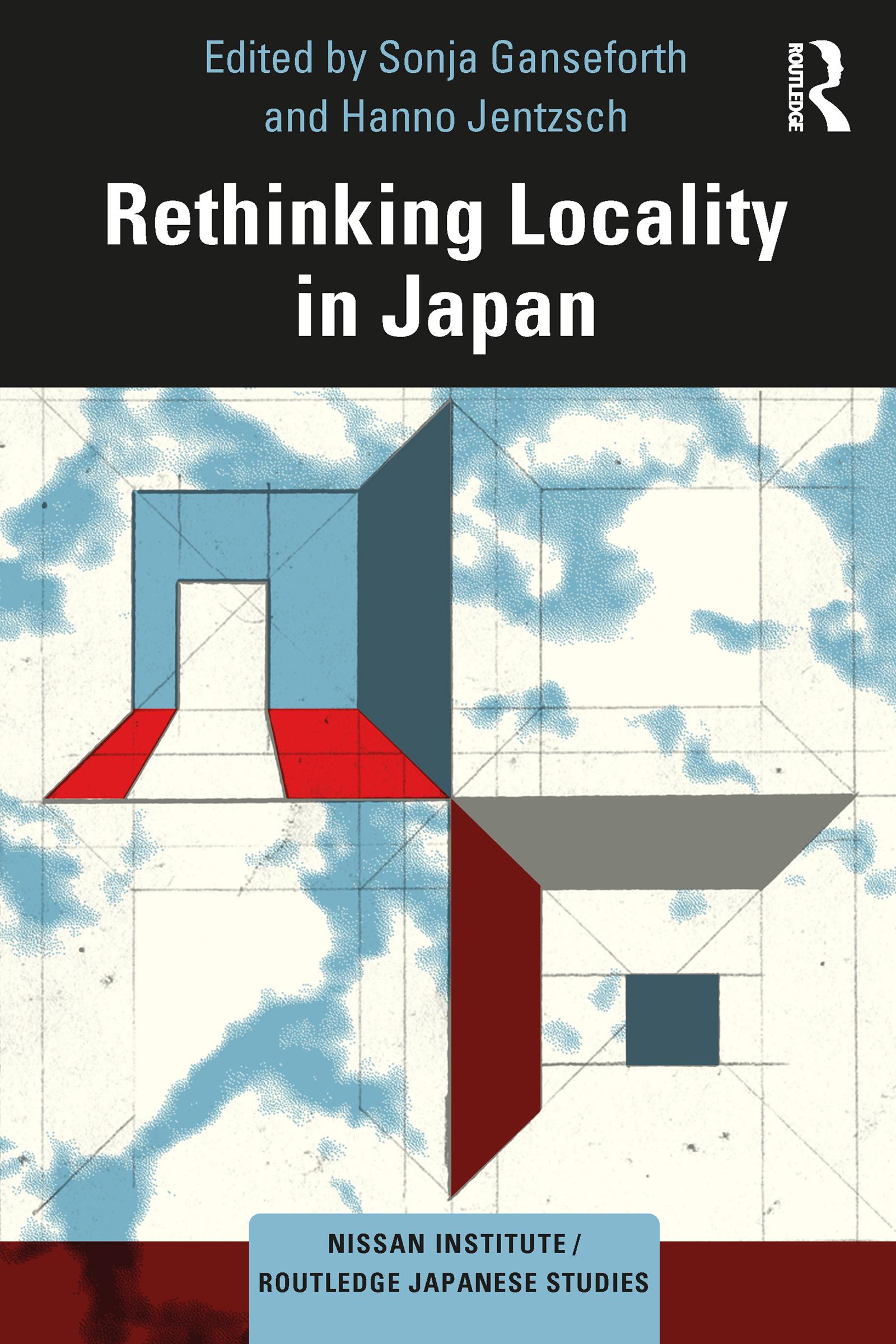
This book inquires what is meant when we say "local" and what "local" means in the Japanese context.
Through the window of locality, it enhances an understanding of broader political and socio-economic shifts in Japan. This includes demographic change, electoral and administrative reform, rural decline and revitalization, welfare reform, as well as the growing metabolic rift in energy and food production. Chapters throughout this edited volume discuss the different and often contested ways in which locality in Japan has been reconstituted, from historical and contemporary instances of administrative restructuring, to more subtle social processes of making – and unmaking – local places. Contributions from multiple disciplinary perspectives are included to investigate the tensions between overlapping and often incongruent dimensions of locality. Framed by a theoretical discussion of socio-spatial thinking, such issues surrounding the construction and renegotiation of local places are not only relevant for Japan specialists, but also connected with topical scholarly debates further afield.
Accordingly, Rethinking Locality in Japan will appeal to students and scholars from Japanese studies and human geography to anthropology, history, sociology and political science.
Betal nemt med kort, Klarna, Apple Pay eller Google Pay. Ikke tilfreds? Du har altid 14 dages fortrydelsesret. Læs mere i vores vilkår. Har du spørgsmål, så send os en mail på hello@memmo.org.
Memmo gør det nemmere at studere – uanset hvor du er i verden. Hos os samler du dine kursusbøger og smarte studieværktøjer ét sted: resuméer, quizzer, podcasts og flashcards. Og så er der Ted, din studieven, der svarer på alt, du undrer dig over. Over 50 000 studerende studerer allerede her – bygget til at hjælpe dig med at lære hurtigere og stresse mindre.