
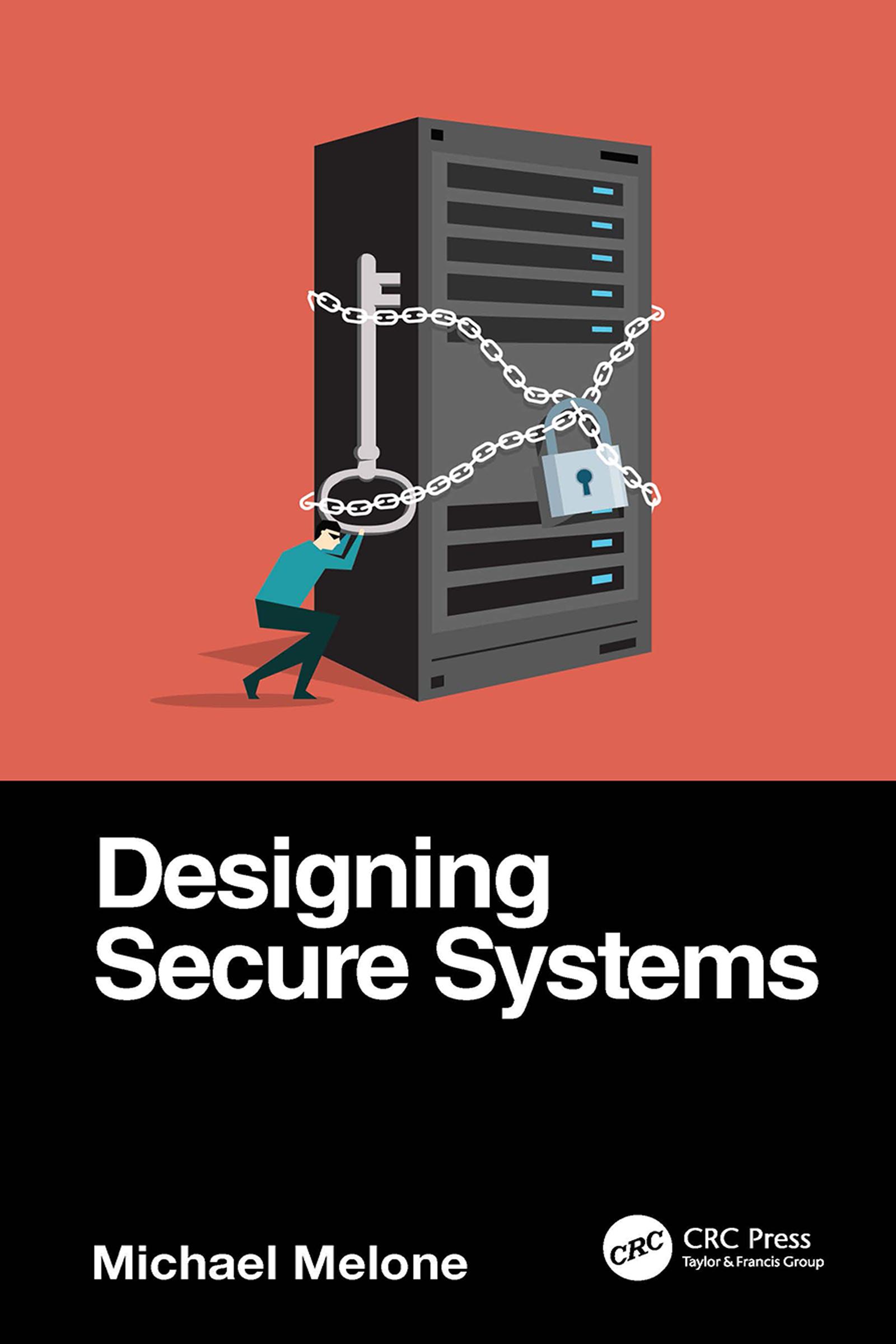
Modern systems are an intertwined mesh of human process, physical security, and technology. Attackers are aware of this, commonly leveraging a weakness in one form of security to gain control over an otherwise protected operation. To expose these weaknesses, we need a single unified model that can be used to describe all aspects of the system on equal terms.
Designing Secure Systems takes a theory-based approach to concepts underlying all forms of systems – from padlocks, to phishing, to enterprise software architecture. We discuss how weakness in one part of a system creates vulnerability in another, all the while applying standards and frameworks used in the cybersecurity world. Our goal: to analyze the security of the entire system – including people, processes, and technology – using a single model.
We begin by describing the core concepts of access, authorization, authentication, and exploitation. We then break authorization down into five interrelated components and describe how these aspects apply to physical, human process, and cybersecurity. Lastly, we discuss how to operate a secure system based on the NIST Cybersecurity Framework (CSF) concepts of "identify, protect, detect, respond, and recover."
Other topics covered in this book include the NIST National Vulnerability Database (NVD), MITRE Common Vulnerability Scoring System (CVSS), Microsoft’s Security Development Lifecycle (SDL), and the MITRE ATT&CK Framework.
Betal nemt med kort, Klarna, Apple Pay eller Google Pay. Ikke tilfreds? Du har altid 14 dages fortrydelsesret. Læs mere i vores vilkår. Har du spørgsmål, så send os en mail på hello@memmo.org.
Memmo gør det nemmere at studere – uanset hvor du er i verden. Hos os samler du dine kursusbøger og smarte studieværktøjer ét sted: resuméer, quizzer, podcasts og flashcards. Og så er der Ted, din studieven, der svarer på alt, du undrer dig over. Over 50 000 studerende studerer allerede her – bygget til at hjælpe dig med at lære hurtigere og stresse mindre.