
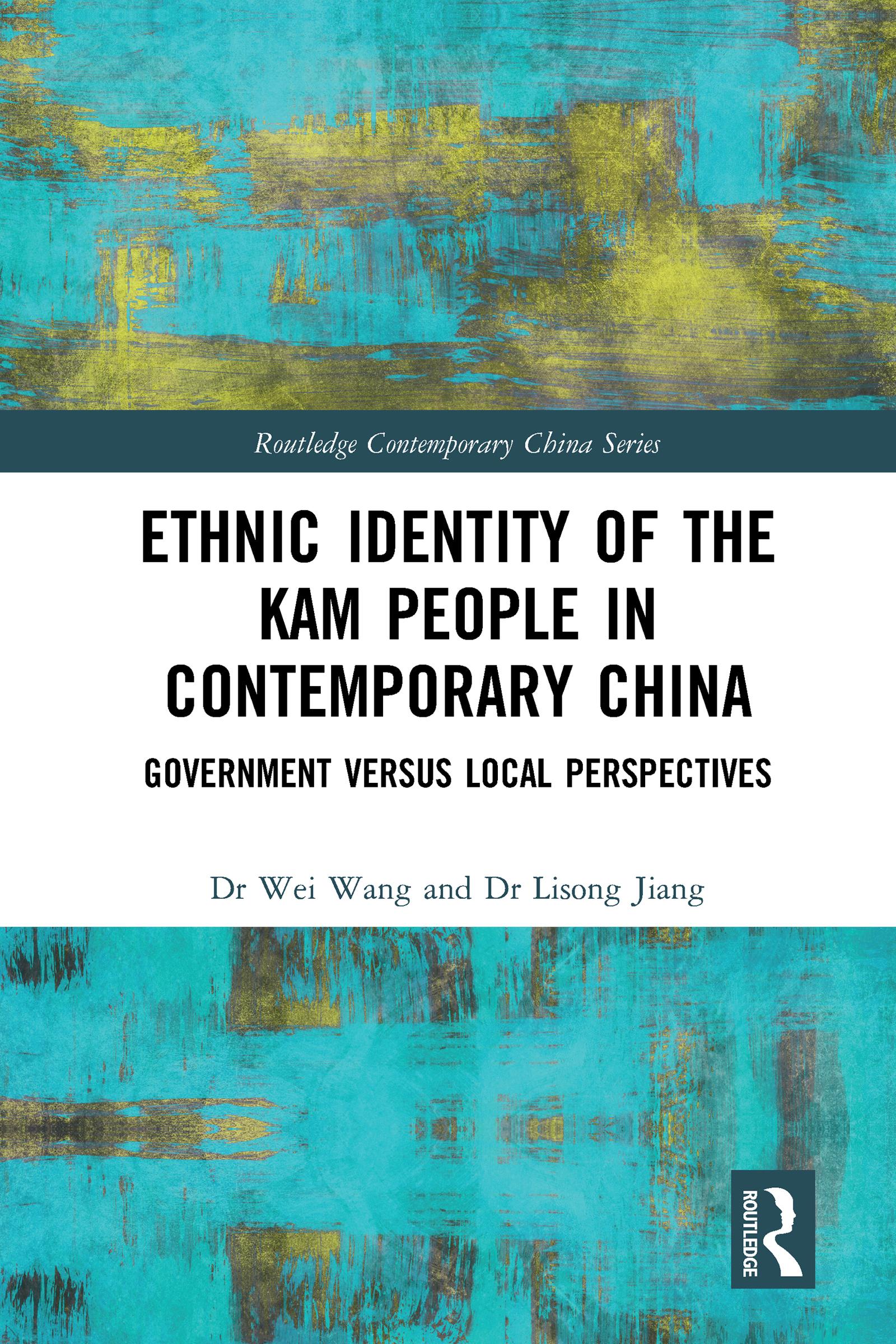
Based on three years of fieldwork in Zhanli, a remote Kam Village in Guizhou Province, Wang and Jiang explore the complex dynamics between the discursive practices of the local government and the villagers in relation to the reconstruction of Kam identity in response to social change, particularly the rise of rural tourism.
China’s profound demographic and socio-economic transformation has intensified the dominance of Han culture and language and seriously challenged the traditional cultures in ethnic minority areas. The authors draw on multiple empirical sources, including in-depth interviews with Kam villagers and local officials, field observations, media discourse, local archives and government documents. They present an engaging account of the significant compromises that government and villagers have made in relation to ethnic identity in the name of economic development, and of the tensions and struggles that characterise the ongoing process of ethnic identity reconstruction.
Students and researchers in sociolinguistics, ethnography, and discourse studies, especially those with an interest in Chinese discourse, and everyone interested in issues around ethnicity (minzu) issues in China, will find this book a valuable resource.
Betal nemt med kort, Klarna, Apple Pay eller Google Pay. Ikke tilfreds? Du har altid 14 dages fortrydelsesret. Læs mere i vores vilkår. Har du spørgsmål, så send os en mail på hello@memmo.org.
Memmo gør det nemmere at studere – uanset hvor du er i verden. Hos os samler du dine kursusbøger og smarte studieværktøjer ét sted: resuméer, quizzer, podcasts og flashcards. Og så er der Ted, din studieven, der svarer på alt, du undrer dig over. Over 50 000 studerende studerer allerede her – bygget til at hjælpe dig med at lære hurtigere og stresse mindre.