
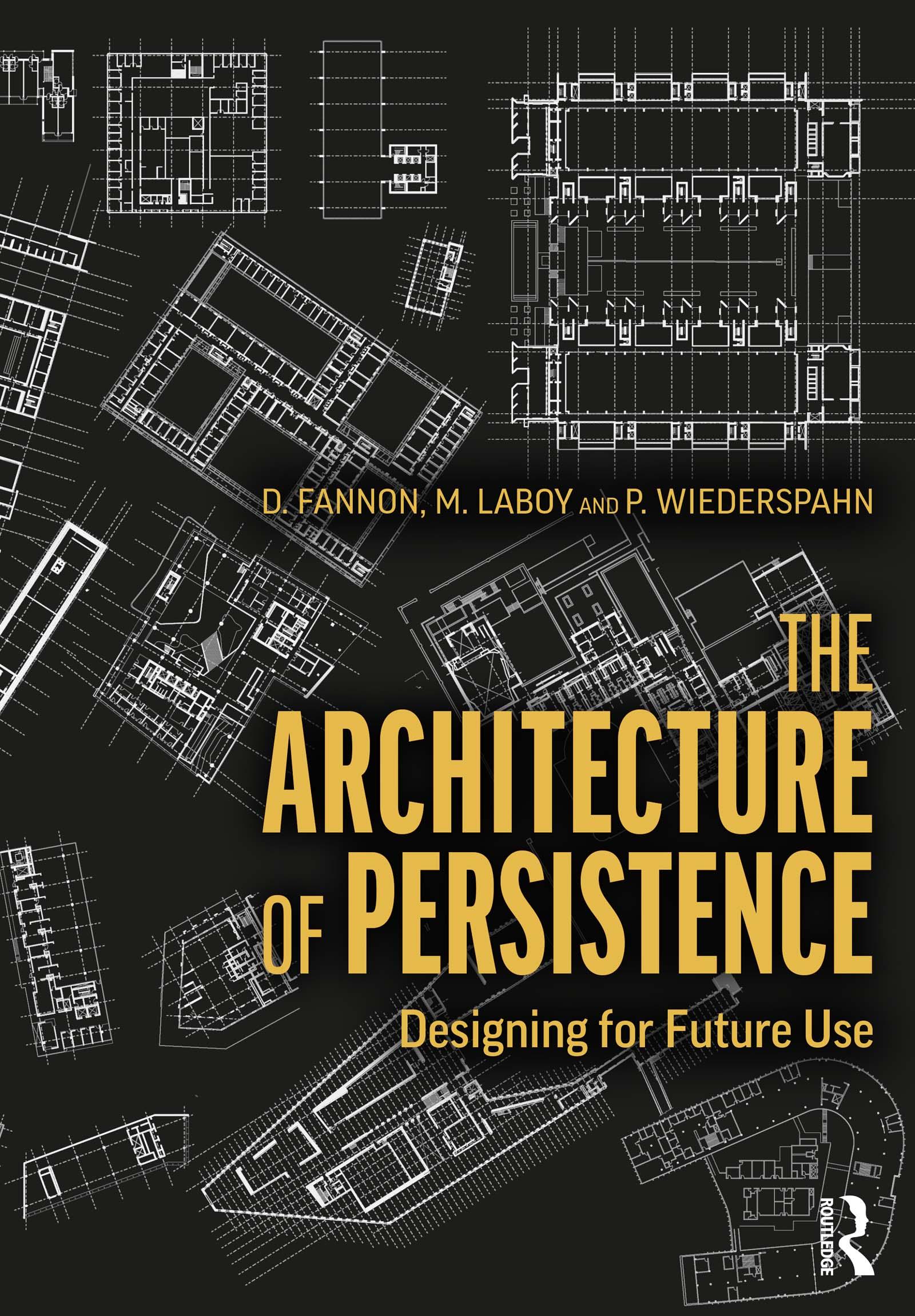
The Architecture of Persistence argues that continued human use is the ultimate measure of sustainability in architecture, and that expanding the discourse about adaptability to include continuity as well as change offers the architectural manifestation of resilience. Why do some buildings last for generations as beloved and useful places, while others do not? How can designers today create buildings that remain useful into the future? While architects and theorists have offered a wide range of ideas about building for change, this book focuses on persistent architecture: the material, spatial, and cultural processes that give rise to long-lived buildings.
Organized in three parts, this book examines material longevity in the face of constant physical and cultural change, connects the dimensions of human use and contemporary program, and discusses how time informs the design process. Featuring dozens of interviews with people who design and use buildings, and a close analysis of over a hundred historic and contemporary projects, the principles of persistent architecture introduced here address urgent challenges for contemporary practice while pointing towards a more sustainable built environment in the future.
The Architecture of Persistence: Designing for Future Use offers practitioners, students, and scholars a set of principles and illustrative precedents exploring architecture’s unique ability to connect an instructive past, a useful present, and an unknown future.
Betal nemt med kort, Klarna, Apple Pay eller Google Pay. Ikke tilfreds? Du har altid 14 dages fortrydelsesret. Læs mere i vores vilkår. Har du spørgsmål, så send os en mail på hello@memmo.org.
Memmo gør det nemmere at studere – uanset hvor du er i verden. Hos os samler du dine kursusbøger og smarte studieværktøjer ét sted: resuméer, quizzer, podcasts og flashcards. Og så er der Ted, din studieven, der svarer på alt, du undrer dig over. Over 50 000 studerende studerer allerede her – bygget til at hjælpe dig med at lære hurtigere og stresse mindre.