
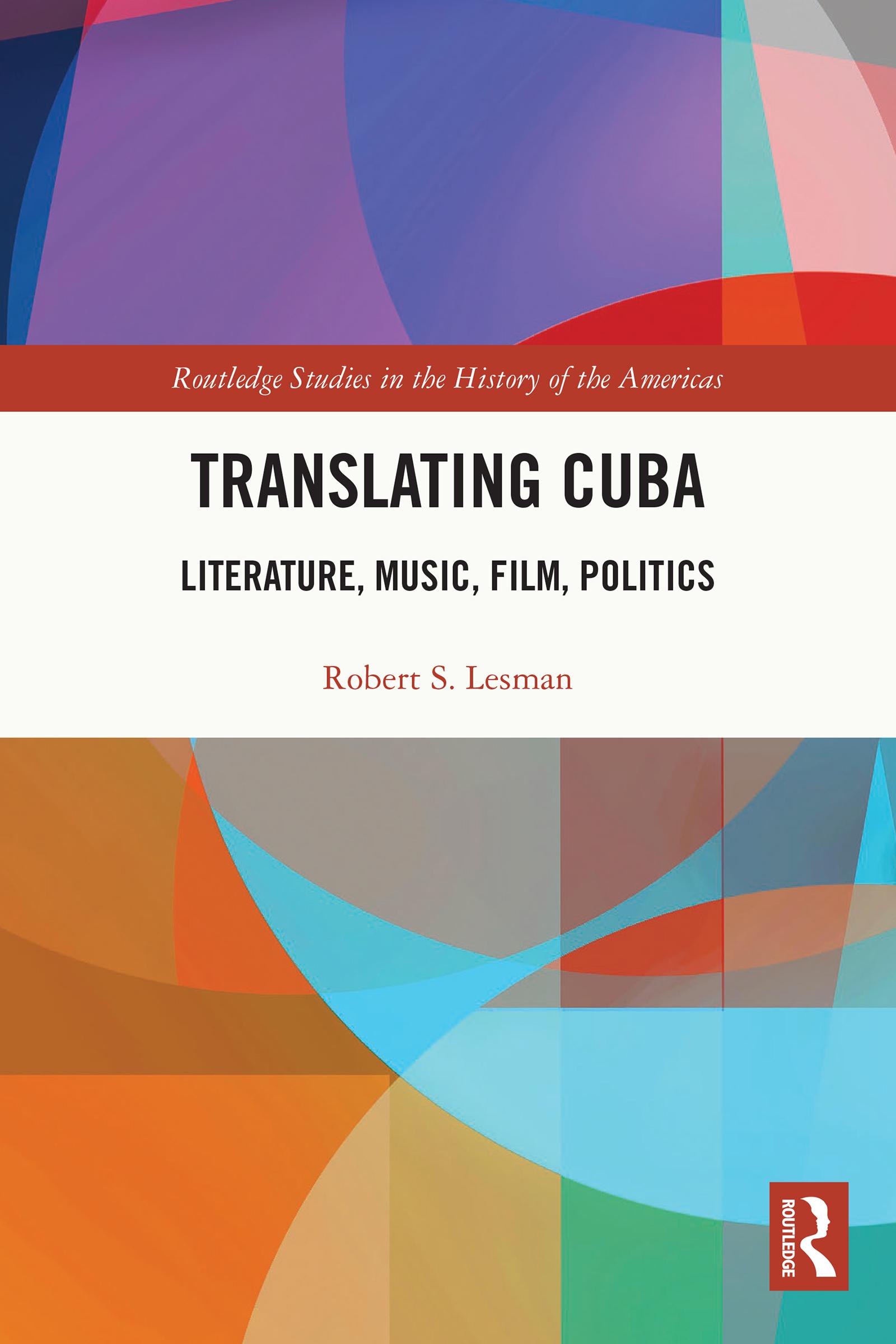
Cuban culture has long been available to English speakers via translation. This study examines the complex ways in which English renderings of Cuban texts from various domains—poetry, science fiction, political and military writing, music, film—have represented, reshaped, or amended original texts. Taking in a broad corpus, it becomes clear that the mental image an Anglophone audience has formed of Cuban culture since 1959 depends heavily on the decisions of translators. At times, a clear ideological agenda drives moves like strengthening the denunciatory tone of a song or excising passages from a political text. At other moments, translators’ indifference to the importance of certain facets of a work, such as a film’s onscreen text or the lyrics sung on a musical performance, impoverishes the English speaker’s experience of the rich weave of self-expression in the original Spanish. In addition to the dynamics at work in the choices translators make at the level of the text itself, this study attends to how paratexts like prefaces, footnotes, liner notes, and promotional copy shape the audience’s experience of the text.
Betal nemt med kort, Klarna, Apple Pay eller Google Pay. Ikke tilfreds? Du har altid 14 dages fortrydelsesret. Læs mere i vores vilkår. Har du spørgsmål, så send os en mail på hello@memmo.org.
Memmo gør det nemmere at studere – uanset hvor du er i verden. Hos os samler du dine kursusbøger og smarte studieværktøjer ét sted: resuméer, quizzer, podcasts og flashcards. Og så er der Ted, din studieven, der svarer på alt, du undrer dig over. Over 50 000 studerende studerer allerede her – bygget til at hjælpe dig med at lære hurtigere og stresse mindre.