
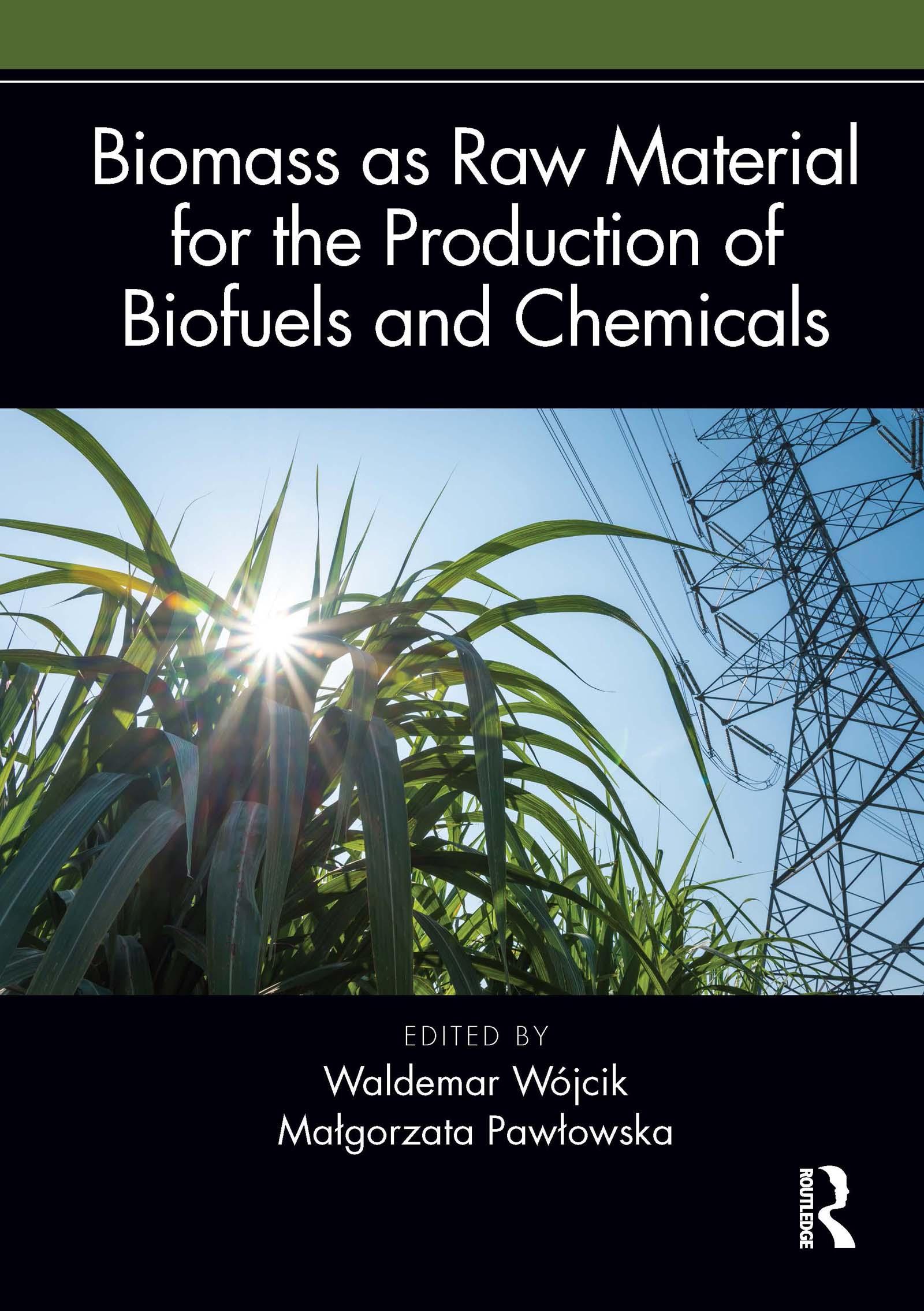
For the power industry, biomass is just a modern name for the ancient material of plant origin that was converted into energy in the simple technology of burning. This book discusses biomass as a raw material for the production of liquid or gaseous biofuels and valuable chemicals. Such biomass processing should be beneficial from both economic and environmental points of view. Classic technologies of biogas production are still being improved, but they always generate waste that differs in terms of chemical parameters, depending on the feedstock digested. These parameters dictate the manner of their final managing. Various biotechnologies allow the use of the biomass of hydrobionts, such as cyanobacteria as a raw substance for obtaining different products, e.g. hyaluronic acid, biopolymers, fertilizers, or even drugs. Animal fats or algae can be used to produce biodiesel which in turn is used in environmentally friendly urban transport. Even municipal solid waste can be a source of useful biomass. The authors show how its volume and composition can be predicted, by which form of processing it can be converted into valuable products, as well as in which ways its negative environmental impact can be limited.
Betal nemt med kort, Klarna, Apple Pay eller Google Pay. Ikke tilfreds? Du har altid 14 dages fortrydelsesret. Læs mere i vores vilkår. Har du spørgsmål, så send os en mail på hello@memmo.org.
Memmo gør det nemmere at studere – uanset hvor du er i verden. Hos os samler du dine kursusbøger og smarte studieværktøjer ét sted: resuméer, quizzer, podcasts og flashcards. Og så er der Ted, din studieven, der svarer på alt, du undrer dig over. Over 50 000 studerende studerer allerede her – bygget til at hjælpe dig med at lære hurtigere og stresse mindre.
Du kan måske også lide
Køb bogen0