
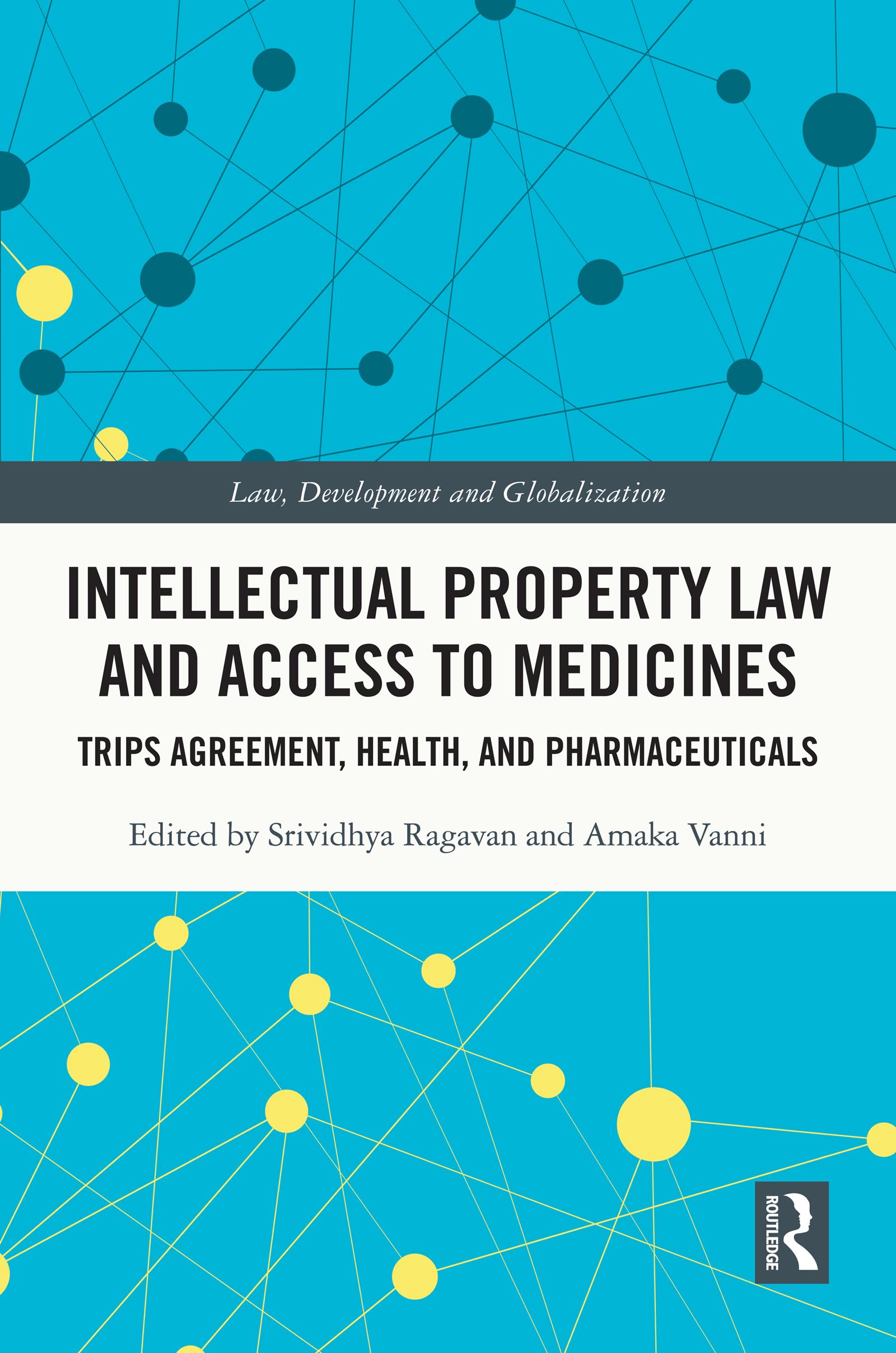
The history of patent harmonization is a story of dynamic actors, whose interactions with established structures shaped the patent regime. From the inception of the trade regime to include intellectual property (IP) rights to the present, this book documents the role of different sets of actors – states, transnational business corporations, or civil society groups – and their influence on the structures – such as national and international agreements, organizations, and private entities – that have caused changes to healthcare and access to medication. Presenting the debates over patents, trade, and the Agreement on Trade-Related Aspects of Intellectual Property Rights (TRIPS Agreement), as it galvanized non-state and nonbusiness actors, the book highlights how an alternative framing and understanding of pharmaceutical patent rights emerged: as a public issue, instead of a trade or IP issue. The book thus offers an important analysis of the legal and political dynamics through which the contest for access to lifesaving medication has been, and will continue to be, fought.
In addition to academics working in the areas of international law, development, and public health, this book will also be of interest to policy makers, state actors, and others with relevant concerns working in nongovernmental and international organizations.
Betal nemt med kort, Klarna, Apple Pay eller Google Pay. Ikke tilfreds? Du har altid 14 dages fortrydelsesret. Læs mere i vores vilkår. Har du spørgsmål, så send os en mail på hello@memmo.org.
Memmo gør det nemmere at studere – uanset hvor du er i verden. Hos os samler du dine kursusbøger og smarte studieværktøjer ét sted: resuméer, quizzer, podcasts og flashcards. Og så er der Ted, din studieven, der svarer på alt, du undrer dig over. Over 50 000 studerende studerer allerede her – bygget til at hjælpe dig med at lære hurtigere og stresse mindre.