
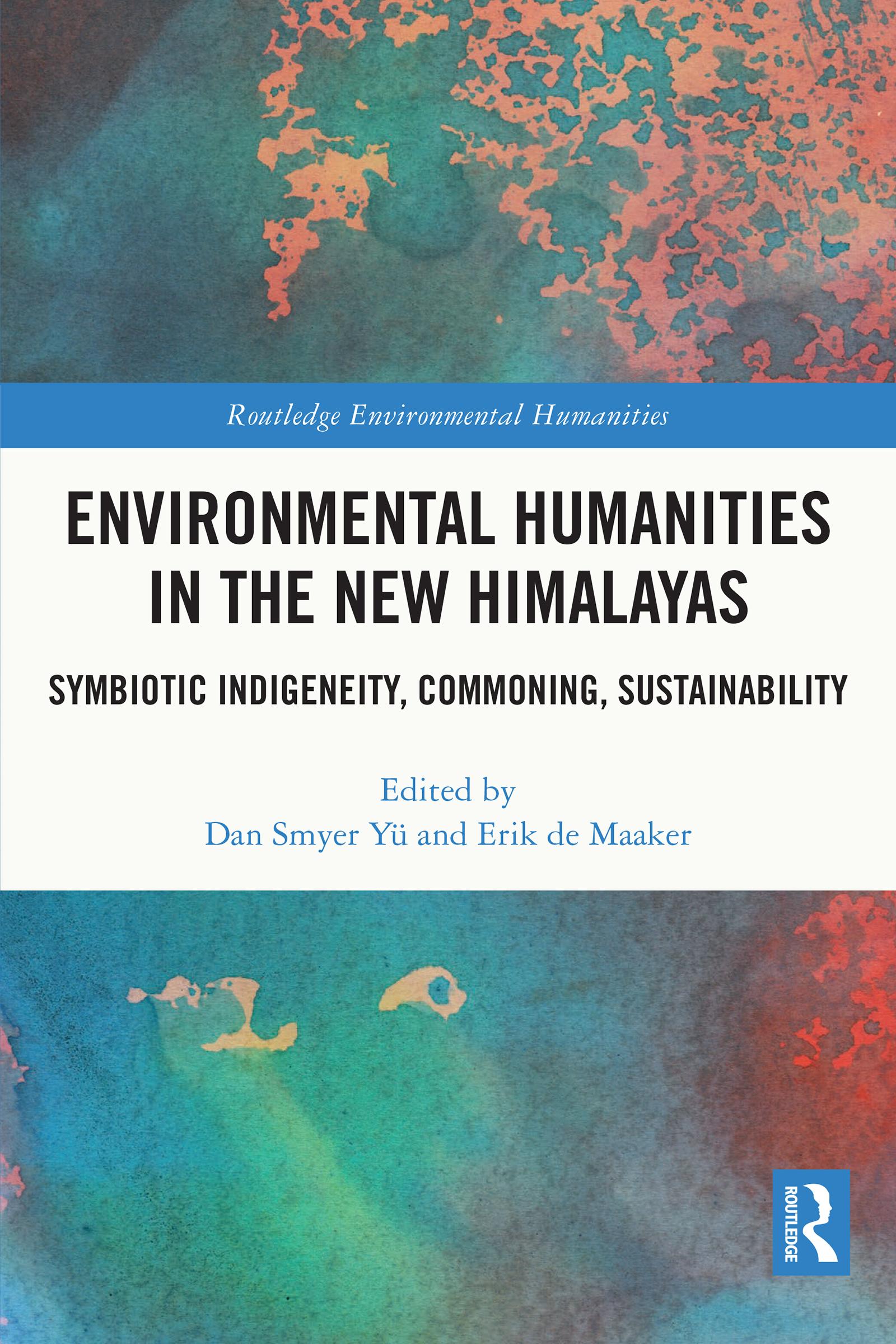
Environmental Humanities in the New Himalayas: Symbiotic Indigeneity, Commoning, Sustainability showcases how the eco-geological creativity of the earth is integrally woven into the landforms, cultures, and cosmovisions of modern Himalayan communities.
Unique in scope, this book features case studies from Bhutan, Assam, Sikkim, Tibet, Nepal, Pakistan, and Sino-Indian borderlands, many of which are documented by authors from indigenous Himalayan communities. It explores three environmental characteristics of modern Himalayas: the anthropogenic, the indigenous, and the animist. Focusing on the sentient relations of human-, animal-, and spirit-worlds with the earth in different parts of the Himalayas, the authors present the complex meanings of indigeneity, commoning and sustainability in the Anthropocene. In doing so, they show the vital role that indigenous stories and perspectives play in building new regional and planetary environmental ethics for a sustainable future.
Drawing on a wide range of expert contributions from the natural sciences, social sciences, and humanist disciplines, this book will be of great interest to students and scholars of environmental humanities, religion and ecology, indigenous knowledge and sustainable development more broadly.
Betal nemt med kort, Klarna, Apple Pay eller Google Pay. Ikke tilfreds? Du har altid 14 dages fortrydelsesret. Læs mere i vores vilkår. Har du spørgsmål, så send os en mail på hello@memmo.org.
Memmo gør det nemmere at studere – uanset hvor du er i verden. Hos os samler du dine kursusbøger og smarte studieværktøjer ét sted: resuméer, quizzer, podcasts og flashcards. Og så er der Ted, din studieven, der svarer på alt, du undrer dig over. Over 50 000 studerende studerer allerede her – bygget til at hjælpe dig med at lære hurtigere og stresse mindre.