
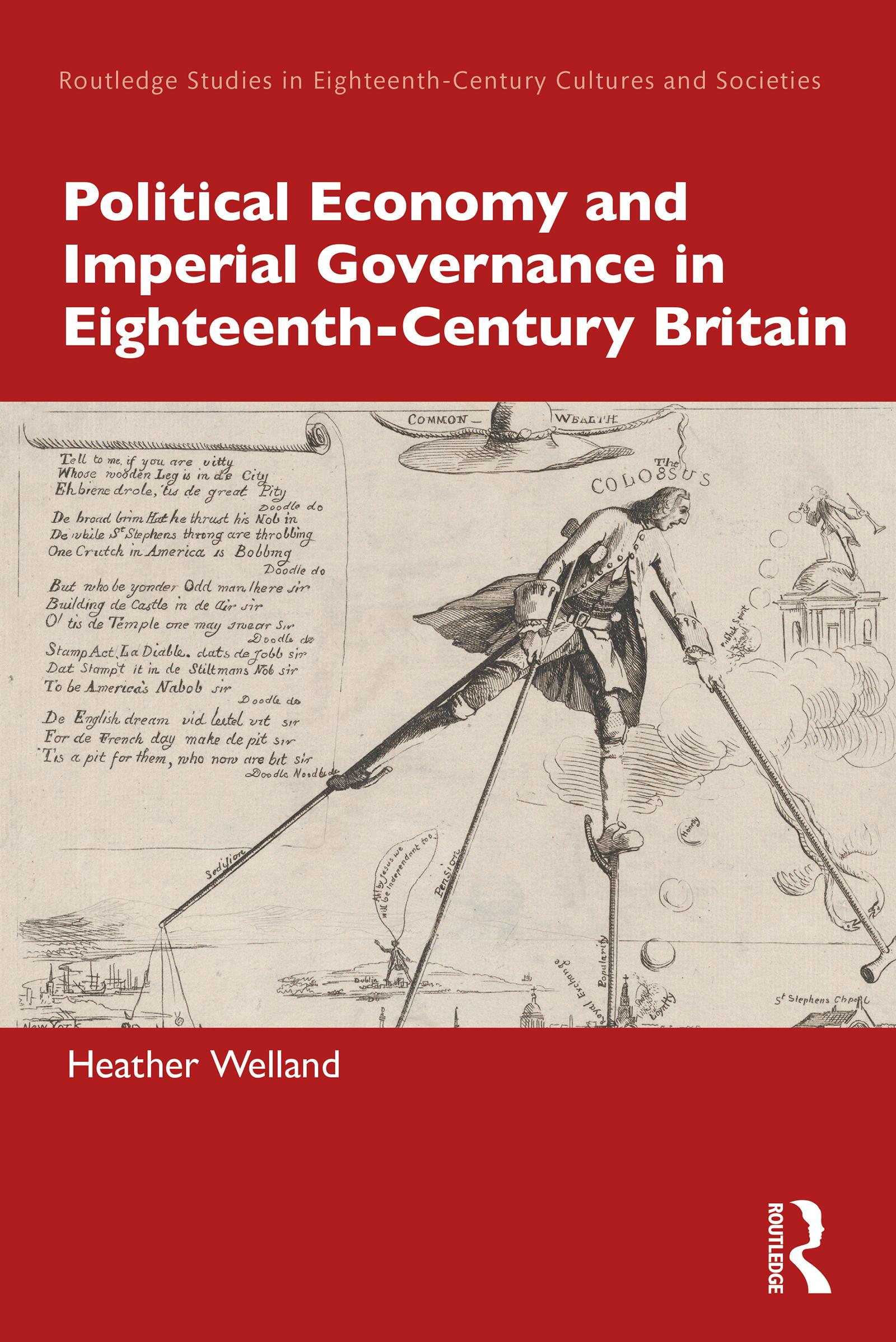
This book examines the relationship between imperial governance and political economy in eighteenth-century Britain, particularly in Canada and Ireland. It is concerned with the way economic ideology and party politics were mutually constitutive; and with the way extra-parliamentary interests both facilitated, and were co-opted into, strategies of governance and commercial regulation. Rather than treat political economy as a pre-existing intellectual orthodoxy that shaped imperial policymaking, it focuses on the ways in which economic thought was generated in moments of imperial crisis – especially those where politicians, commercial interest groups, and pamphleteer economists were forced to wrestle with the tensions between economic growth, political authority, and social stability. By rooting economic discourse and debate in specific problems of imperial commerce and administration, and by highlighting the many different actors and negotiations that produced economic policy, it argues that the transition from mercantilism to liberalism – the shift from protectionism to free trade – is a flawed description of eighteenth-century developments in economic thought.
Betal nemt med kort, Klarna, Apple Pay eller Google Pay. Ikke tilfreds? Du har altid 14 dages fortrydelsesret. Læs mere i vores vilkår. Har du spørgsmål, så send os en mail på hello@memmo.org.
Memmo gør det nemmere at studere – uanset hvor du er i verden. Hos os samler du dine kursusbøger og smarte studieværktøjer ét sted: resuméer, quizzer, podcasts og flashcards. Og så er der Ted, din studieven, der svarer på alt, du undrer dig over. Over 50 000 studerende studerer allerede her – bygget til at hjælpe dig med at lære hurtigere og stresse mindre.