
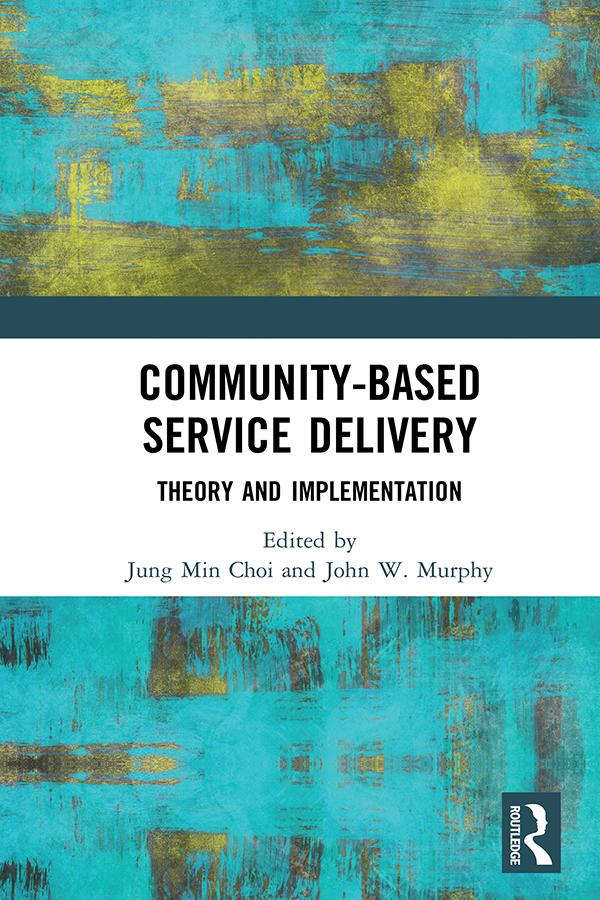
This book takes up the challenge of the failure of most initiatives in community-based service delivery to address the significant philosophical shift that is necessary to create, implement, and evaluate appropriately these sorts of projects. Challenging the tendency to focus entirely on practicalities, the authors emphasize the centrality of philosophy to any successful community-based undertaking. While fully acknowledging the importance of local knowledge and the guidance of projects by local people, this volume shows that these principles are often at odds with the ‘Cartesian’ mindset that underpins much project planning, with its emphasis on objectivity in science and knowledge. Since all knowledge is mediated by human activity and embedded in language and other modes of expression, this dualist approach must be reconsidered. A thorough rethinking of traditional service delivery, which takes into account issues of data, methodology, and bias together with questions of generalizability, community, power, and communication, this book will appeal to scholars of sociology, social policy, and social work with interests in community-based service delivery.
Betal nemt med kort, Klarna, Apple Pay eller Google Pay. Ikke tilfreds? Du har altid 14 dages fortrydelsesret. Læs mere i vores vilkår. Har du spørgsmål, så send os en mail på hello@memmo.org.
Memmo gør det nemmere at studere – uanset hvor du er i verden. Hos os samler du dine kursusbøger og smarte studieværktøjer ét sted: resuméer, quizzer, podcasts og flashcards. Og så er der Ted, din studieven, der svarer på alt, du undrer dig over. Over 50 000 studerende studerer allerede her – bygget til at hjælpe dig med at lære hurtigere og stresse mindre.