
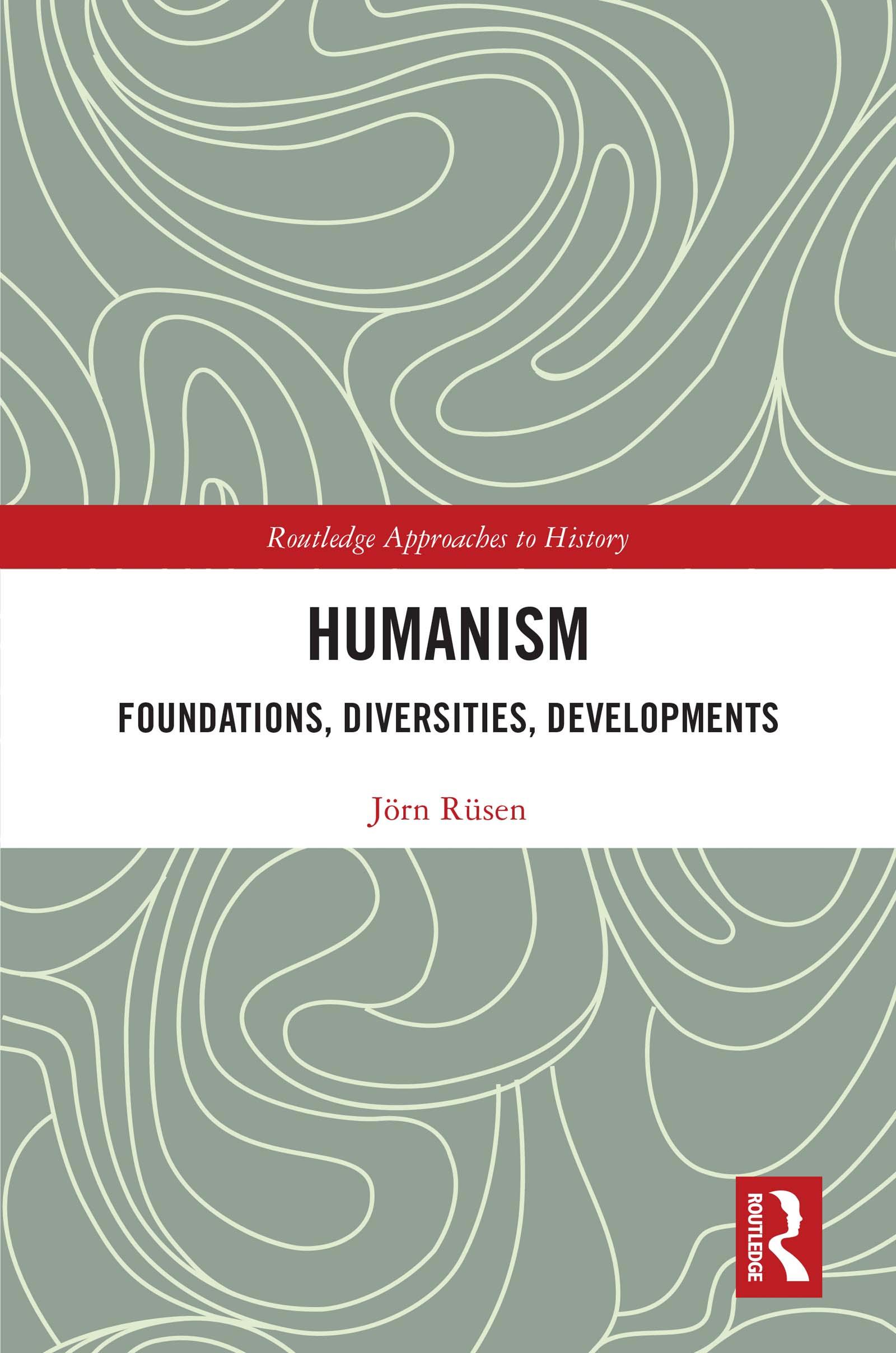
The book describes humanism in a systematic and historical perspective. It analyzes its manifestation and function in cultural studies and its role in the present.
Within the book, special attention is given to the intention of contemporary humanism to overcome ethno-centric elements in the cultural orientation of contemporary living conditions and to develop humane dimensions of this orientation. This is linked to a fundamental critique of the current post-human self-understanding of the humanities. Furthermore, the intercultural aspect in the understanding of humanism is emphasized; for non-Western cultures also have their own humanistic traditions. Two further aspects are also addressed: the Holocaust as the most radical challenge to humanistic thinking and the relationship of humanism to nature.
Sitting at the intersection of history and philosophy, the book is perfect for those exploring humanism from an historical perspective.
Betal nemt med kort, Klarna, Apple Pay eller Google Pay. Ikke tilfreds? Du har altid 14 dages fortrydelsesret. Læs mere i vores vilkår. Har du spørgsmål, så send os en mail på hello@memmo.org.
Memmo gør det nemmere at studere – uanset hvor du er i verden. Hos os samler du dine kursusbøger og smarte studieværktøjer ét sted: resuméer, quizzer, podcasts og flashcards. Og så er der Ted, din studieven, der svarer på alt, du undrer dig over. Over 50 000 studerende studerer allerede her – bygget til at hjælpe dig med at lære hurtigere og stresse mindre.