
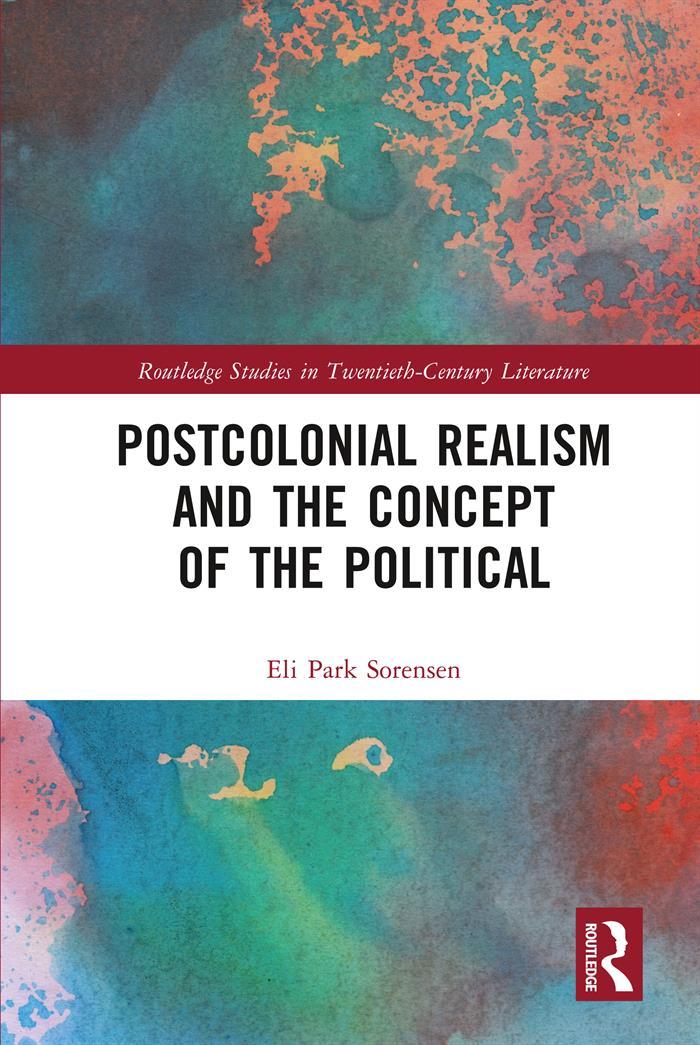
As the scholarly world attunes itself once again to the specifically political, this book rethinks the political significance of literary realism within a postcolonial context. Generally, postcolonial studies has either ignored realism or criticized it as being naïve, anachronistic, deceptive, or complicit with colonial discourse; in other words—incongruous with the postcolonial. This book argues that postcolonial realism is intimately connected to the specifically political in the sense that realist form is premised on the idea of a collective reality. Discussing a range of literary and theoretical works, Dr. Sorensen exemplifies that many postcolonial writers were often faced with the realities of an unstable state, a divided community inhabiting a contested social space, the challenges of constructing a notion of ‘the people,’ often out of a myriad of local communities with different traditions and languages brought together arbitrarily through colonization. The book demonstrates that the political context of realism is the sphere or possibility of civil war, divided societies, and unstable communities. Postcolonial realism is prompted by disturbing political circumstances, and it gestures toward a commonly imagined world, precisely because such a notion is under pressure or absent.
Betal nemt med kort, Klarna, Apple Pay eller Google Pay. Ikke tilfreds? Du har altid 14 dages fortrydelsesret. Læs mere i vores vilkår. Har du spørgsmål, så send os en mail på hello@memmo.org.
Memmo gør det nemmere at studere – uanset hvor du er i verden. Hos os samler du dine kursusbøger og smarte studieværktøjer ét sted: resuméer, quizzer, podcasts og flashcards. Og så er der Ted, din studieven, der svarer på alt, du undrer dig over. Over 50 000 studerende studerer allerede her – bygget til at hjælpe dig med at lære hurtigere og stresse mindre.