
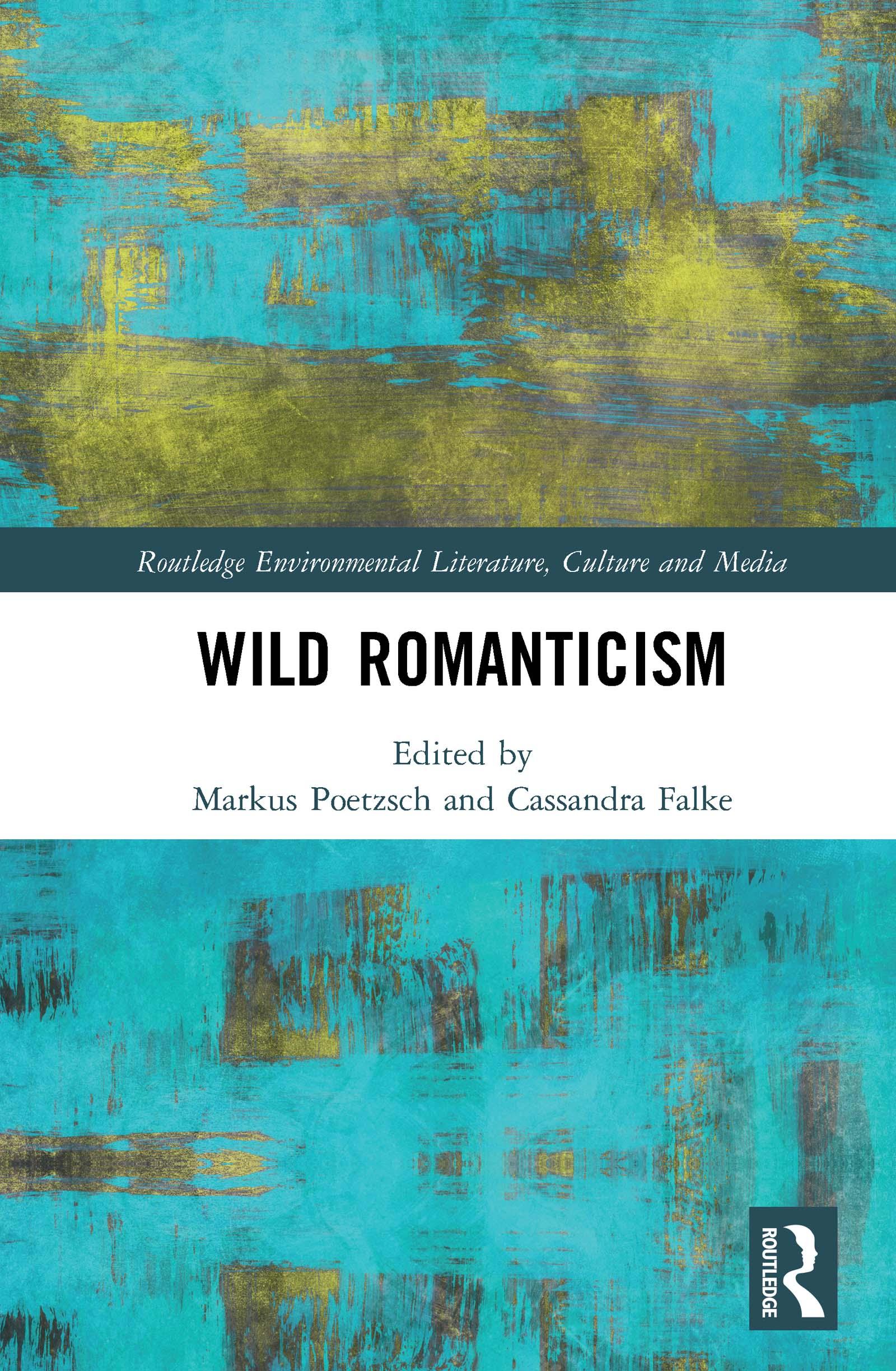
Wild Romanticism consolidates contemporary thinking about conceptions of the wild in British and European Romanticism, clarifying the emergence of wilderness as a cultural, symbolic, and ecological idea.
This volume brings together the work of twelve scholars, who examine representations of wildness in canonical texts such as Frankenstein, Northanger Abbey, "Kubla Khan," "Expostulation and Reply," and Childe Harold´s Pilgrimage, as well as lesser-known works by Radcliffe, Clare, Hölderlin, P.B. Shelley, and Hogg. Celebrating the wild provided Romantic-period authors with a way of thinking about nature that resists instrumentalization and anthropocentricism, but writing about wilderness also engaged them in debates about the sublime and picturesque as aesthetic categories, about gender and the cultivation of independence as natural, and about the ability of natural forces to resist categorical or literal enclosure.
This book will be of great interest to students and scholars of Romanticism, environmental literature, environmental history, and the environmental humanities more broadly.
Betal nemt med kort, Klarna, Apple Pay eller Google Pay. Ikke tilfreds? Du har altid 14 dages fortrydelsesret. Læs mere i vores vilkår. Har du spørgsmål, så send os en mail på hello@memmo.org.
Memmo gør det nemmere at studere – uanset hvor du er i verden. Hos os samler du dine kursusbøger og smarte studieværktøjer ét sted: resuméer, quizzer, podcasts og flashcards. Og så er der Ted, din studieven, der svarer på alt, du undrer dig over. Over 50 000 studerende studerer allerede her – bygget til at hjælpe dig med at lære hurtigere og stresse mindre.