
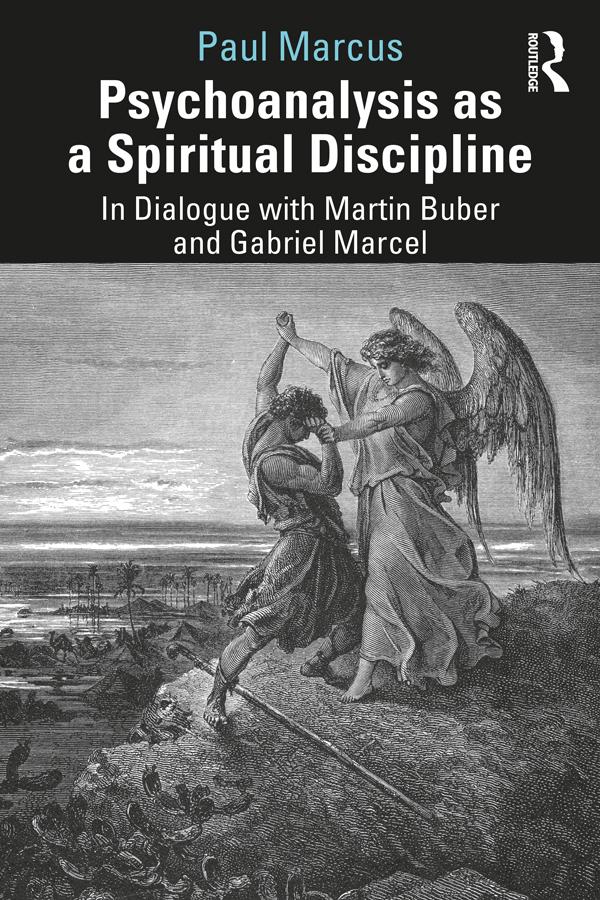
The great existential psychiatrist Ludwig Binswanger famously pointed out to Freud that therapeutic failure could "only be understood as the result of something which could be called a deficiency of spirit." Binswanger was surprised when Freud agreed, asserting, "Yes, spirit is everything." However, spirit and the spiritual realm have largely been dropped from mainstream psychoanalytic theory and practice.
This book seeks to help revitalize a culturally aging psychoanalysis that is in conceptual and clinical disarray in the marketplace of ideas and is viewed as a "theory in crisis" no longer regarded as the primary therapy for those who are suffering. The author argues that psychoanalysis and psychoanalytic psychotherapy can be reinvigorated as a discipline if it is animated by the powerfully evocative spiritual, moral, and ethical insights of two dialogical personalist religious philosophers—Martin Buber, a Jew, and Gabriel Marcel, a Catholic—who both initiated a "Copernican revolution" in human thought.
In chapters that focus on love, work, faith, suffering, and clinical practice, Paul Marcus shows how the spiritual optic of Buber and Marcel can help revive and refresh psychoanalysis, and bring it back into the light by communicating its inherent vitality, power, and relevance to the mental health community and to those who seek psychoanalytic treatment.
Betal nemt med kort, Klarna, Apple Pay eller Google Pay. Ikke tilfreds? Du har altid 14 dages fortrydelsesret. Læs mere i vores vilkår. Har du spørgsmål, så send os en mail på hello@memmo.org.
Memmo gør det nemmere at studere – uanset hvor du er i verden. Hos os samler du dine kursusbøger og smarte studieværktøjer ét sted: resuméer, quizzer, podcasts og flashcards. Og så er der Ted, din studieven, der svarer på alt, du undrer dig over. Over 50 000 studerende studerer allerede her – bygget til at hjælpe dig med at lære hurtigere og stresse mindre.