
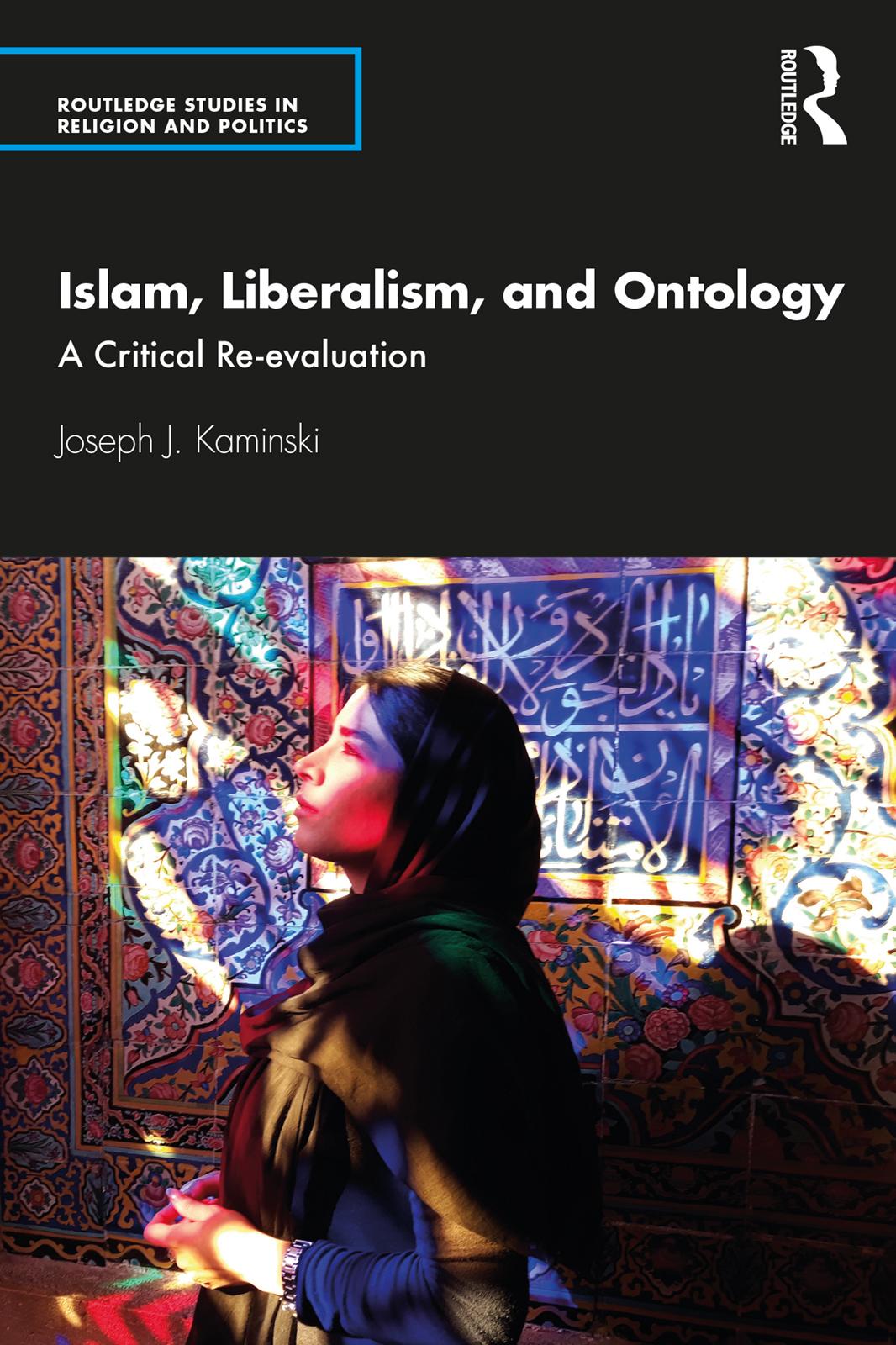
This book offers comparative ontologies of both Islam and liberalism as discourses more broadly construed.
The author argues that, despite recent efforts to speak of overlapping consensuses and discursive congruence, the fundamental categories that constitute "Islam" and "Liberalism" remain very different, and that these differences should be taken seriously. Thus far, no recent scholarly works have explicitly or meticulously broken down where these differences lie. The author rigorously explores questions related to rights, moral epistemologies, the role of religion in the public sphere, and more general approaches to legal discourse, via primary and canonical sources constitutive of both Islam and liberalism. He then goes on to articulate why communitarian modes of thought are better suited for engaging with Islam and contemporary socio-political modes of organization than liberalism is.
This book will be of great interest to students and scholars of politics and international relations, Islam, liberalism, and communitarianism.
Betal nemt med kort, Klarna, Apple Pay eller Google Pay. Ikke tilfreds? Du har altid 14 dages fortrydelsesret. Læs mere i vores vilkår. Har du spørgsmål, så send os en mail på hello@memmo.org.
Memmo gør det nemmere at studere – uanset hvor du er i verden. Hos os samler du dine kursusbøger og smarte studieværktøjer ét sted: resuméer, quizzer, podcasts og flashcards. Og så er der Ted, din studieven, der svarer på alt, du undrer dig over. Over 50 000 studerende studerer allerede her – bygget til at hjælpe dig med at lære hurtigere og stresse mindre.