
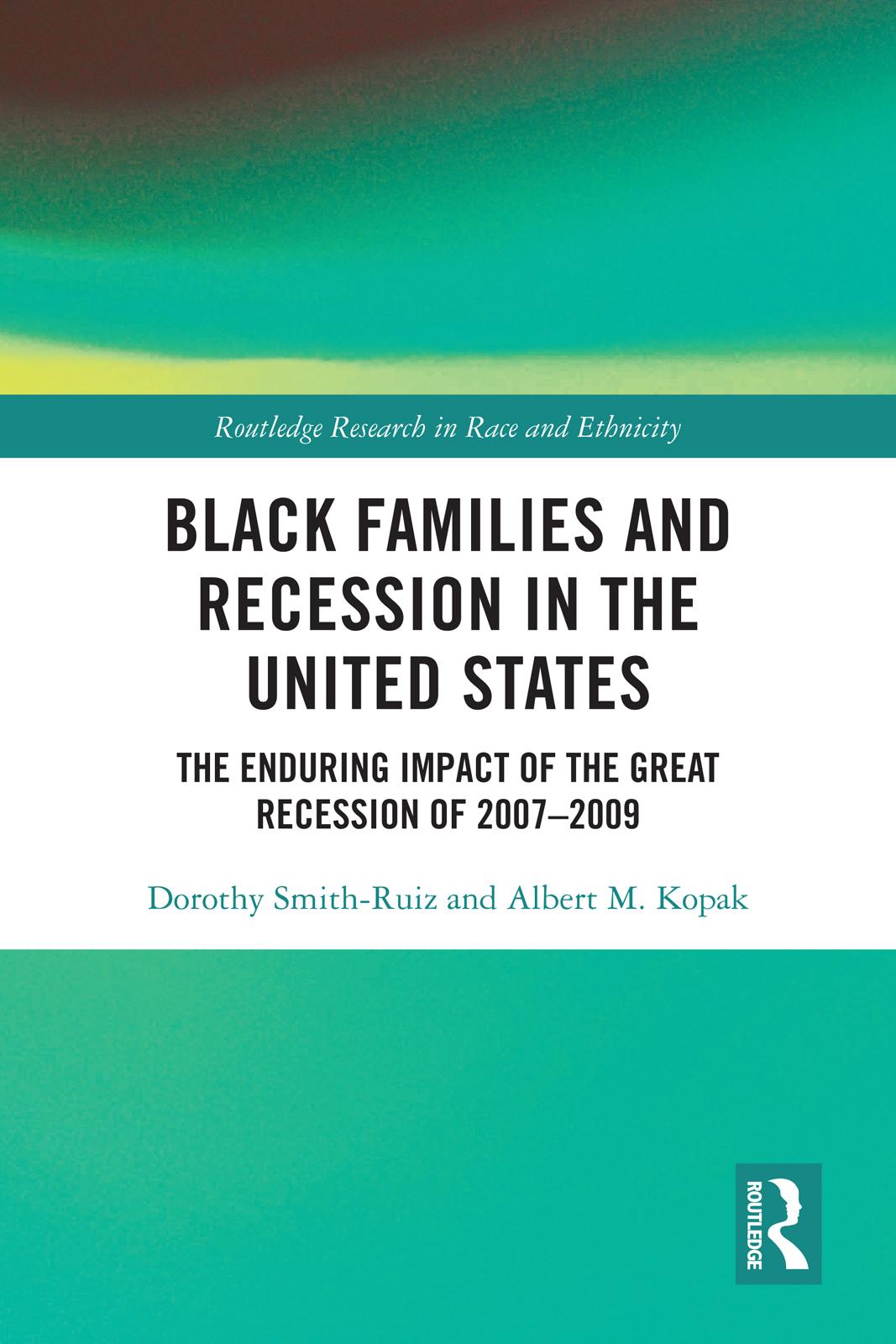
Black Families and the Recession in the United States goes beyond the massive loss of property among African Americans during the Great Recession of 2007–2009. It connects the housing experience to broader systems of inequality in America. Following the Great Recession of 2007–2009, the US elections of 2008, the impact of COVID-19, and widespread demonstrations resulting from the murder of George Floyd by police, the sociopolitical and economic status of Blacks in the United States is at a critical point in history, with demand for major transformation.
The authors reveal a history of racist practices against Blacks in many systems, including education, policing, incarceration, wealth transmission, voting restrictions, and housing segregation. The social costs of the recession are manifested in the daily lives of African American families.
In addition to financial losses, African Americans are more likely to be plagued with issues related to poverty, chronic illnesses, and lack of trust of social and economic institutions. Research, policy, and practical implications of this research include identifying social and economic supports unique to African Americans and determining strategies to strengthen families; paramount to addressing racial disparities. The interdisciplinary focus of this book appeals to a wide audience and areas of study.
Betal nemt med kort, Klarna, Apple Pay eller Google Pay. Ikke tilfreds? Du har altid 14 dages fortrydelsesret. Læs mere i vores vilkår. Har du spørgsmål, så send os en mail på hello@memmo.org.
Memmo gør det nemmere at studere – uanset hvor du er i verden. Hos os samler du dine kursusbøger og smarte studieværktøjer ét sted: resuméer, quizzer, podcasts og flashcards. Og så er der Ted, din studieven, der svarer på alt, du undrer dig over. Over 50 000 studerende studerer allerede her – bygget til at hjælpe dig med at lære hurtigere og stresse mindre.