
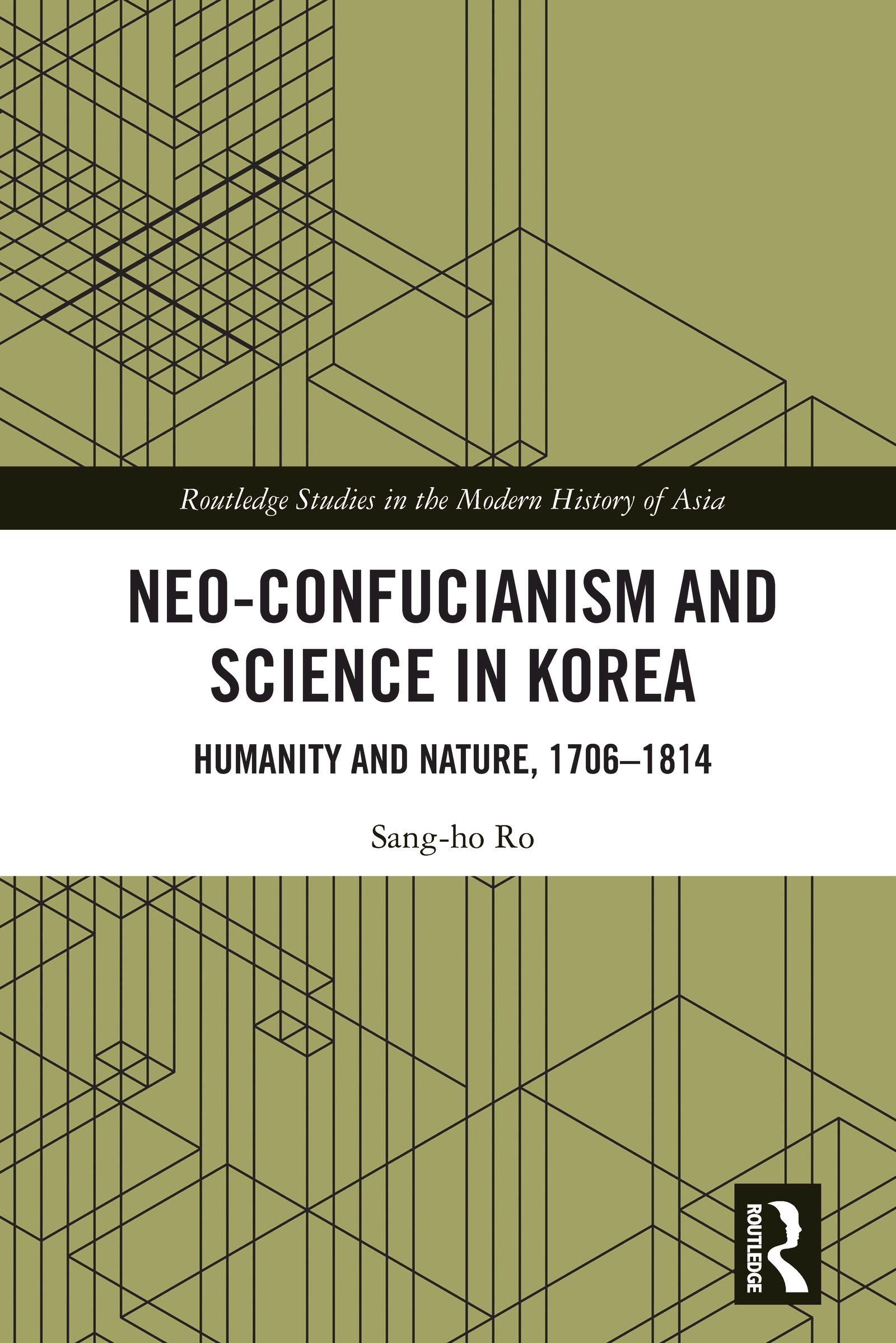
Historians of late premodern Korea have tended to regard it as a hermit kingdom, isolated from its neighbours and the wider world. In fact, as Ro argues in this book, Korean intellectuals were heavily influenced by both Chinese Neo-Confucianism and the European Enlightenment in the late 18th and 19th centuries.
In the late Choson period the regime felt threatened by the new, more empirical, approaches to knowledge emerging from both the East and the West. For this reason many Korean intellectuals felt it necessary to work in the shadows and formed secret societies for the study of nature. Because of the secrecy of these societies, much of their work has remained unknown even in Korea until recent years. Ho looks at the work of these intellectuals and analyses the impact their thinking and experimentation had on knowledge production in Korea.
A fascinating insight into the largely overlooked story of how globalization affected intellectual life in Korea before the 20th century. This book will be of great interest to students and researchers of Korean history and of Asian intellectual history more broadly.
Betal nemt med kort, Klarna, Apple Pay eller Google Pay. Ikke tilfreds? Du har altid 14 dages fortrydelsesret. Læs mere i vores vilkår. Har du spørgsmål, så send os en mail på hello@memmo.org.
Memmo gør det nemmere at studere – uanset hvor du er i verden. Hos os samler du dine kursusbøger og smarte studieværktøjer ét sted: resuméer, quizzer, podcasts og flashcards. Og så er der Ted, din studieven, der svarer på alt, du undrer dig over. Over 50 000 studerende studerer allerede her – bygget til at hjælpe dig med at lære hurtigere og stresse mindre.