
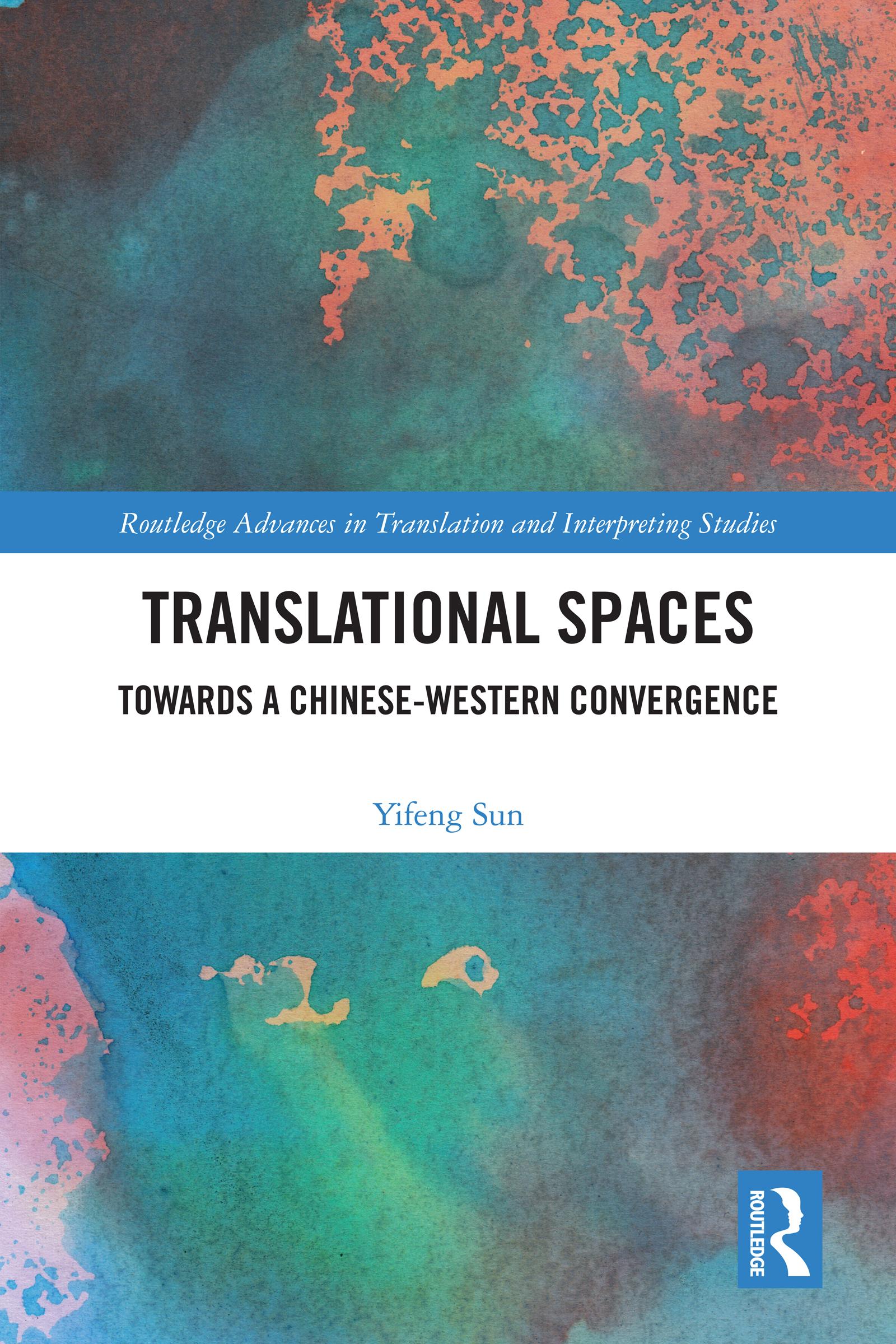
This book explores the concept of space, or rather spaces, in relation to translation, to construct a conceptual framework for research to better understand and solve translation problems. A number of interrelated spatial perspectives on translation supported by empirical evidence are presented to help better understand the complexities between China and West in cultural exchanges and to offer a way of explaining what happens to translation and why it takes on a particular form. In the chequered history of Chinese-Western cultural exchange, effective communication has remained a great challenge exacerbated by the ultimate inescapability of linguistic and cultural incommensurability. It is therefore necessary to develop conceptual tools that can help shed light on the interactive association between performativity and space in translation. Despite the unfailing desire to connect with the world, transnational resistance is still underway in China. Further attempts are required to promote a convergence of Chinese and Western translation theories in general and to confront problems arising from translation practice in particular. This work will be of interest to students and scholars in translation studies around the world, as well as those working in cultural studies and cross-cultural communication studies.
Betal nemt med kort, Klarna, Apple Pay eller Google Pay. Ikke tilfreds? Du har altid 14 dages fortrydelsesret. Læs mere i vores vilkår. Har du spørgsmål, så send os en mail på hello@memmo.org.
Memmo gør det nemmere at studere – uanset hvor du er i verden. Hos os samler du dine kursusbøger og smarte studieværktøjer ét sted: resuméer, quizzer, podcasts og flashcards. Og så er der Ted, din studieven, der svarer på alt, du undrer dig over. Over 50 000 studerende studerer allerede her – bygget til at hjælpe dig med at lære hurtigere og stresse mindre.
Du kan måske også lide
Køb bogen0