
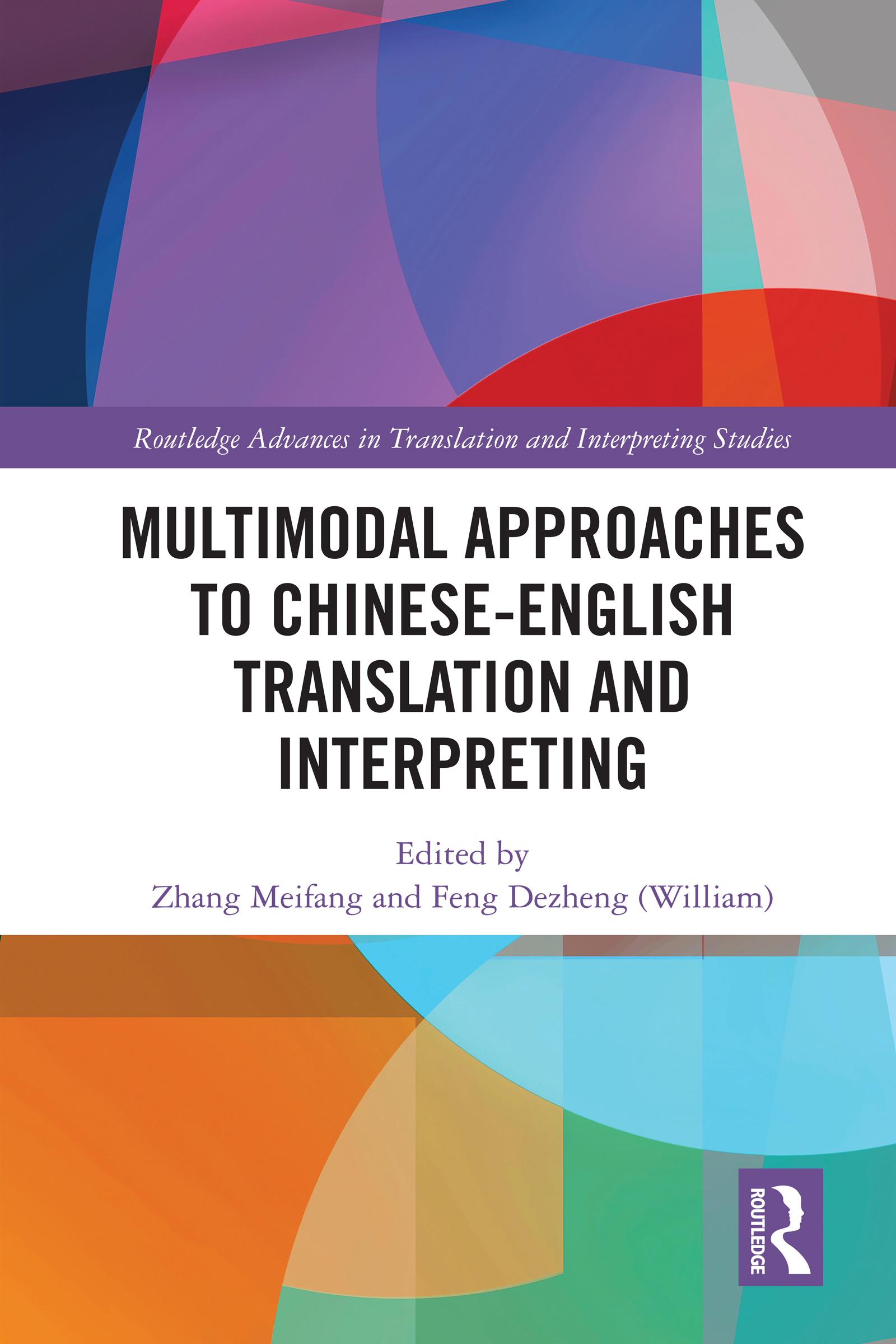
Nowadays, discourse analysis deals with not only texts but also paratexts and images; so do translation and interpreting studies. Therefore, the concept of multimodality has become an increasingly important topic in the subject areas of linguistics, discourse analysis and translation studies. However, up to now not much research has been done systematically on multimodal factors in translation and interpreting, and even less in exploring research models or methodologies for multimodal analysis in translation and interpreting.
This book aims to introduce and apply different theories of the multimodal discourse analysis to the study of translations, with case studies on Chinese classics such as the Monkey King, Mulan and The Art of War, as well as on interpretations of up-to-date issues including the Chinese Belt and Road Initiatives and Macao tourism.
The chapters reflect the first attempts to apply multimodal approaches to translation and interpreting with a special focus on Chinese-English translations and interpreting. They provide new understandings of transformations in the multimodal translation process and useful reference models for researchers who are interested in doing research of a similar kind, especially for those who are interested in looking into translations related to Chinese language, literature and culture.
Betal nemt med kort, Klarna, Apple Pay eller Google Pay. Ikke tilfreds? Du har altid 14 dages fortrydelsesret. Læs mere i vores vilkår. Har du spørgsmål, så send os en mail på hello@memmo.org.
Memmo gør det nemmere at studere – uanset hvor du er i verden. Hos os samler du dine kursusbøger og smarte studieværktøjer ét sted: resuméer, quizzer, podcasts og flashcards. Og så er der Ted, din studieven, der svarer på alt, du undrer dig over. Over 50 000 studerende studerer allerede her – bygget til at hjælpe dig med at lære hurtigere og stresse mindre.