
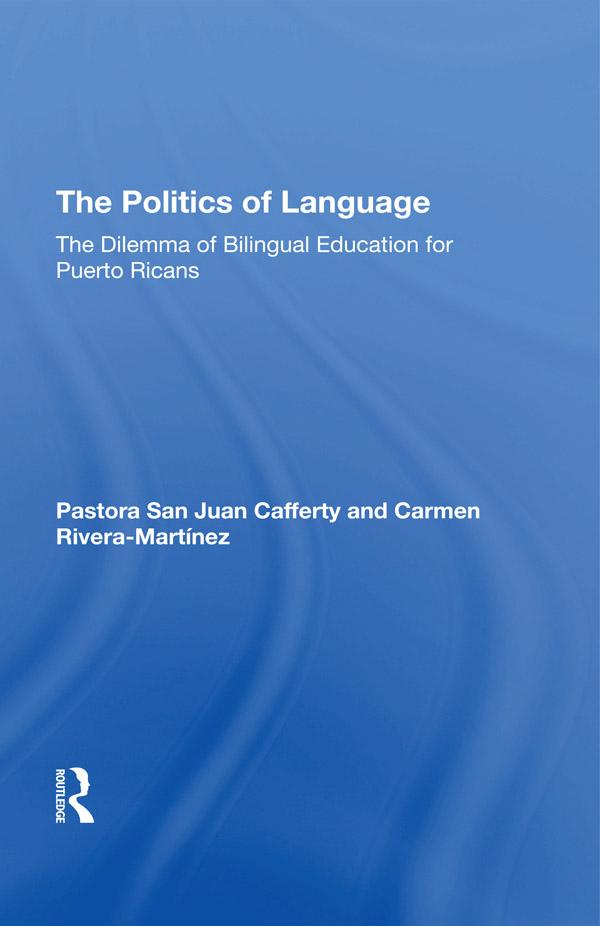
Demographers predict that by the end of the century Spanish-speaking persons will constitute the largest minority group in the United States--in this context, bilingual education must be considered a crucial issue for educators and policymakers at the state, national, and local levels. Professors Cafferty and Rivera-Martínez analyze bilingual education policies and programs, particularly as they affect the Puerto Rican child, and reach some startling conclusions. They find that these programs do not, despite the best intentions, offer the equal opportunity and social mobility that has been their purpose. While the authors attempt to neither examine nor define the general problem of bilingual education methodology, they do address the problem of educating the Puerto Rican child as one minority among many. They suggest alternatives for solving the problem and recommend specific policies for federal, state, and local governments attempting to integrate Spanish-speaking minorities into the educational process.
Betal nemt med kort, Klarna, Apple Pay eller Google Pay. Ikke tilfreds? Du har altid 14 dages fortrydelsesret. Læs mere i vores vilkår. Har du spørgsmål, så send os en mail på hello@memmo.org.
Memmo gør det nemmere at studere – uanset hvor du er i verden. Hos os samler du dine kursusbøger og smarte studieværktøjer ét sted: resuméer, quizzer, podcasts og flashcards. Og så er der Ted, din studieven, der svarer på alt, du undrer dig over. Over 50 000 studerende studerer allerede her – bygget til at hjælpe dig med at lære hurtigere og stresse mindre.
Du kan måske også lide
Køb bogen0