
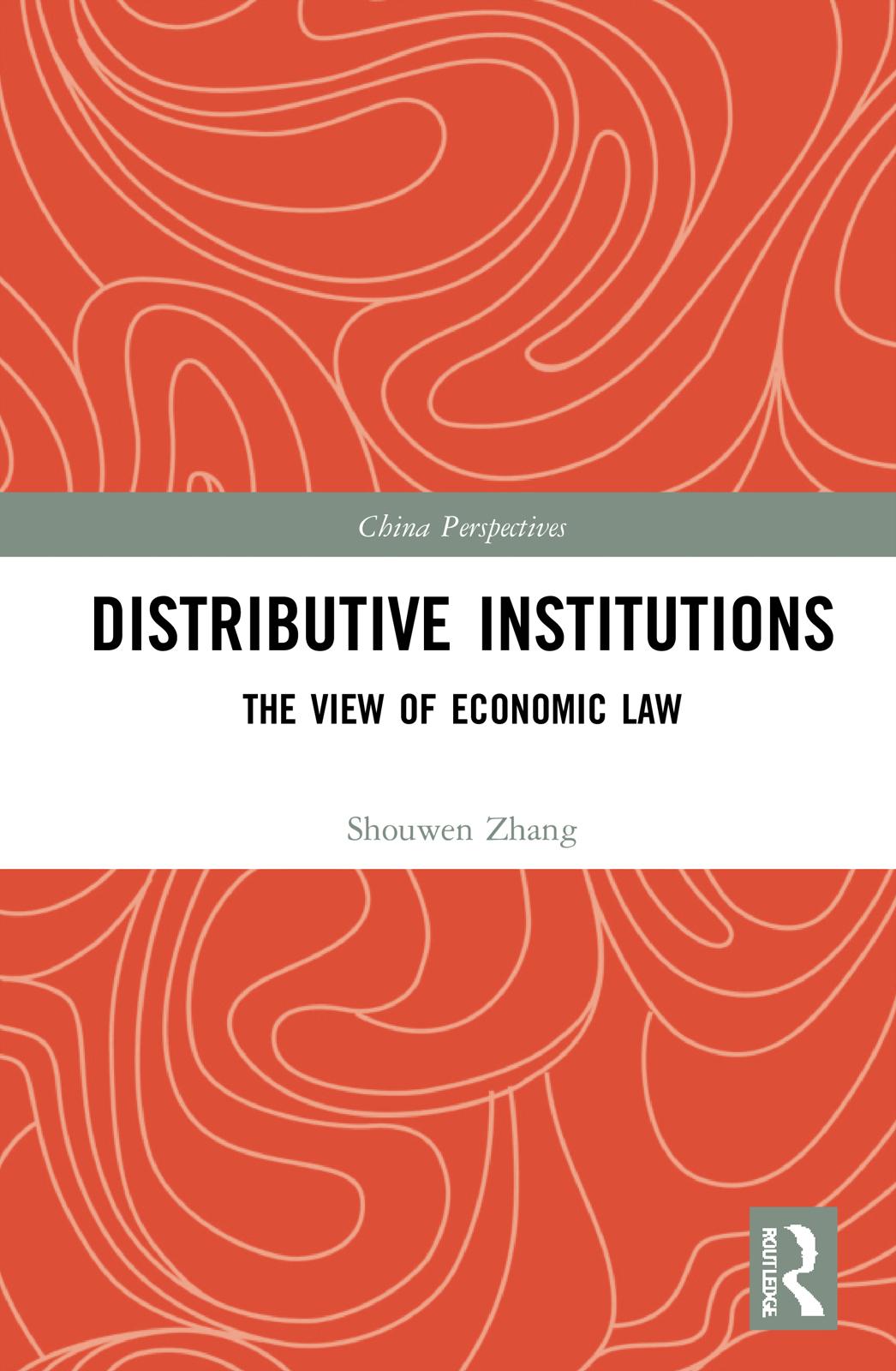
The crisis of distribution is one of the longest standing and most complicated issues facing human society. Imbued with social, political, historic, and cultural elements, it varies significantly across different countries as a result of all these factors. As an emerging economy which transferred from a planned to a market economy, China has experienced large distribution gaps since it implemented the Reform and Opening-up Policy in the early 1980s, requiring stronger economic law to mitigate and regulate the crisis of distribution.
In this second volume, the author analyses crises of distribution from a theoretical perspective and proposes law and policy solutions. Believing that such crises are a collective result of systematic limitations, the author proposes a theoretical framework of “system–distribution–development” in order to resolve distribution problems and promote economic development. He argues that a crisis of distribution cannot be avoided without coordinated development of economic law and relevant constitutional, civil, and commercial law systems. In addition, it is necessary to differentiate the territories, industries, enterprises, and individuals that constitute such diverse systems.
The book should be of keen interest to researchers and students of law, economics, and political science.
Betal nemt med kort, Klarna, Apple Pay eller Google Pay. Ikke tilfreds? Du har altid 14 dages fortrydelsesret. Læs mere i vores vilkår. Har du spørgsmål, så send os en mail på hello@memmo.org.
Memmo gør det nemmere at studere – uanset hvor du er i verden. Hos os samler du dine kursusbøger og smarte studieværktøjer ét sted: resuméer, quizzer, podcasts og flashcards. Og så er der Ted, din studieven, der svarer på alt, du undrer dig over. Over 50 000 studerende studerer allerede her – bygget til at hjælpe dig med at lære hurtigere og stresse mindre.