
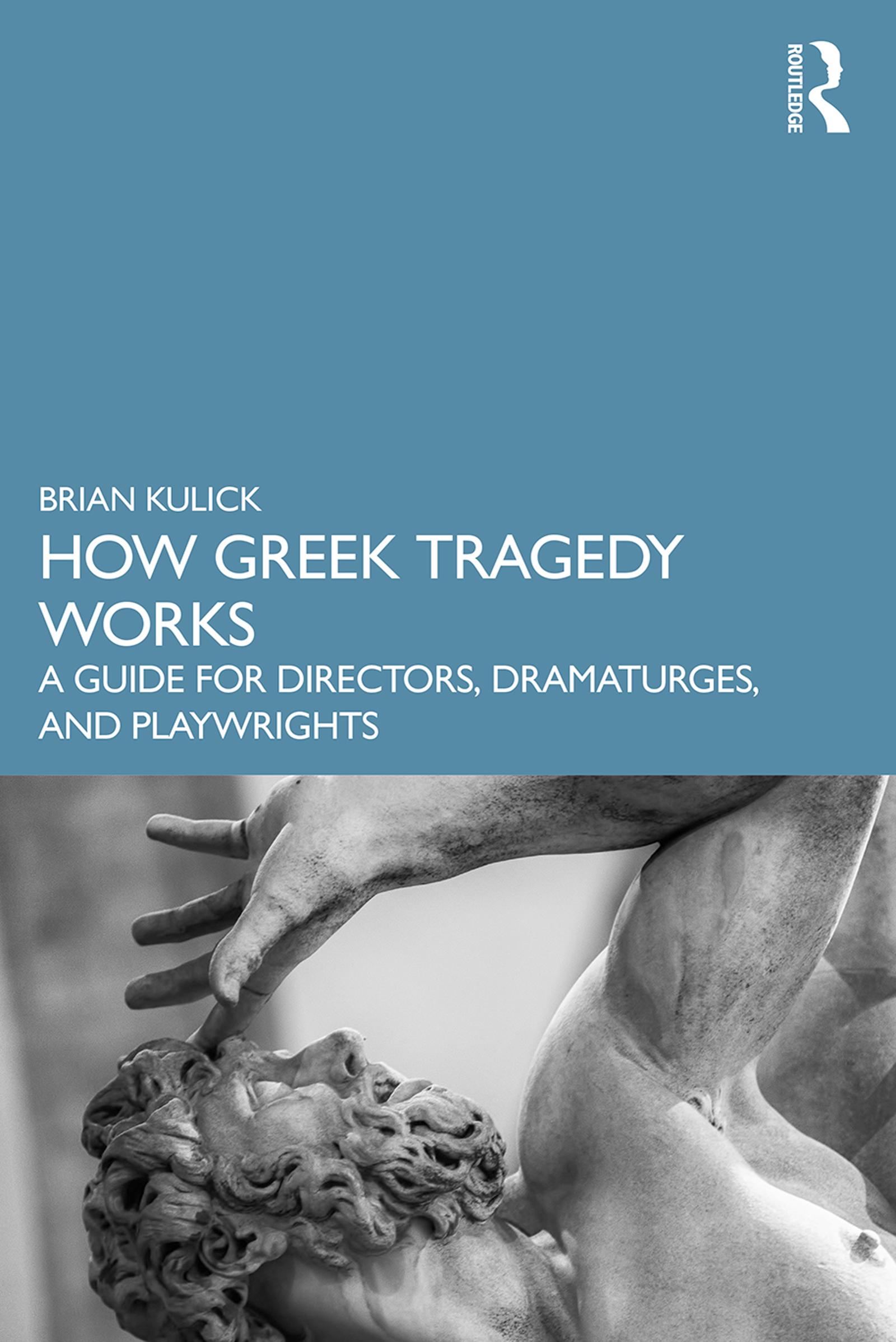
How Greek Tragedy Works is a journey through the hidden meanings and dual nature of Greek tragedy, drawing on its foremost dramatists to bring about a deeper understanding of how and why to engage with these enduring plays.
Brian Kulick dispels the trepidation that many readers feel with regard to classical texts by equipping them with ways in which they can unpack the hidden meanings of these plays. He focuses on three of the key texts of Greek theatre: Aeschylus' Agamemnon, Euripides' The Bacchae, and Sophocles' Electra, and uses them to tease out the core principles of the theatre-making and storytelling impulses. By encouraging us to read between the lines like this, he also enables us to read these and other Greek tragedies as artists' manifestos, equipping us not only to understand tragedy itself, but also to interpret what the great playwrights had to say about the nature of plays and drama.
This is an indispensable guide for anyone who finds themselves confronted with tackling the Greek classics, whether as a reader, scholar, student, or director.
Betal nemt med kort, Klarna, Apple Pay eller Google Pay. Ikke tilfreds? Du har altid 14 dages fortrydelsesret. Læs mere i vores vilkår. Har du spørgsmål, så send os en mail på hello@memmo.org.
Memmo gør det nemmere at studere – uanset hvor du er i verden. Hos os samler du dine kursusbøger og smarte studieværktøjer ét sted: resuméer, quizzer, podcasts og flashcards. Og så er der Ted, din studieven, der svarer på alt, du undrer dig over. Over 50 000 studerende studerer allerede her – bygget til at hjælpe dig med at lære hurtigere og stresse mindre.