
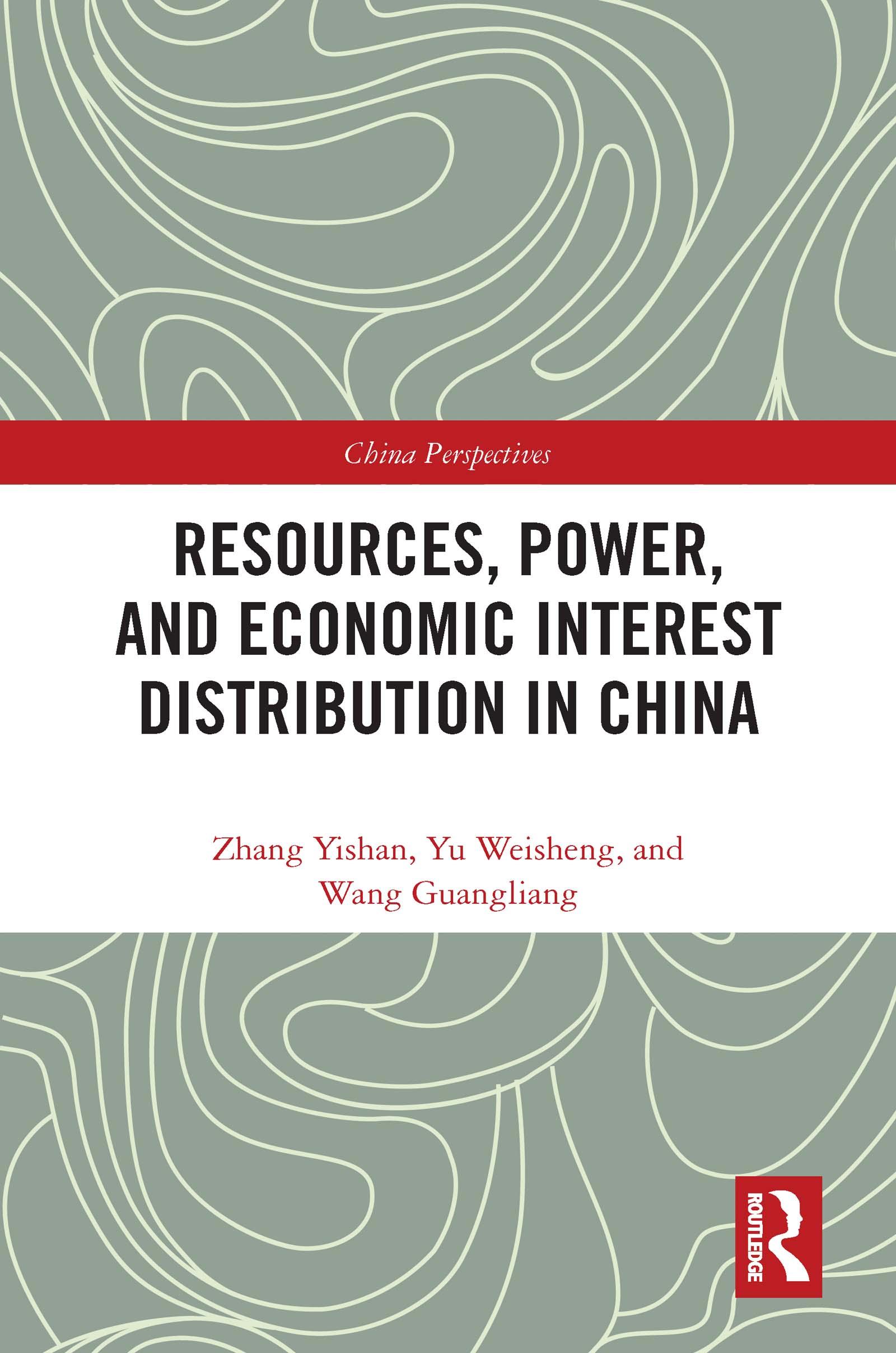
Based on an investigation of economic and resource allocation factors and their close relation to economic power, this book puts forward the power paradigm, a new economic research paradigm revealing the relationship among power, institutions, and resource allocation mechanisms, helping to establish a valid connection between macroeconomics and microeconomics and shedding light on real-world economic issues.
Drawing on classical, neoclassical, and institutional economics and how these schools of thought have impacted on economic development in China over the past century, the book sheds light on distribution processes and argues that enterprise contracts, market pricing, policies, laws and regulations can all be classified as interest distribution mechanisms informed by a variety of power games. The power paradigm suggests that to achieve full utility and an optimal allocation of resources to foster social welfare, power reciprocity needs to be shared among different economic agents at the same hierarchy level while making sure that power and responsibility are equivalent for each economic agent.
The book will appeal to research students and academics interested in heterodox economics, pluralist approaches, institutional economics, and game theory.
Betal nemt med kort, Klarna, Apple Pay eller Google Pay. Ikke tilfreds? Du har altid 14 dages fortrydelsesret. Læs mere i vores vilkår. Har du spørgsmål, så send os en mail på hello@memmo.org.
Memmo gør det nemmere at studere – uanset hvor du er i verden. Hos os samler du dine kursusbøger og smarte studieværktøjer ét sted: resuméer, quizzer, podcasts og flashcards. Og så er der Ted, din studieven, der svarer på alt, du undrer dig over. Over 50 000 studerende studerer allerede her – bygget til at hjælpe dig med at lære hurtigere og stresse mindre.