
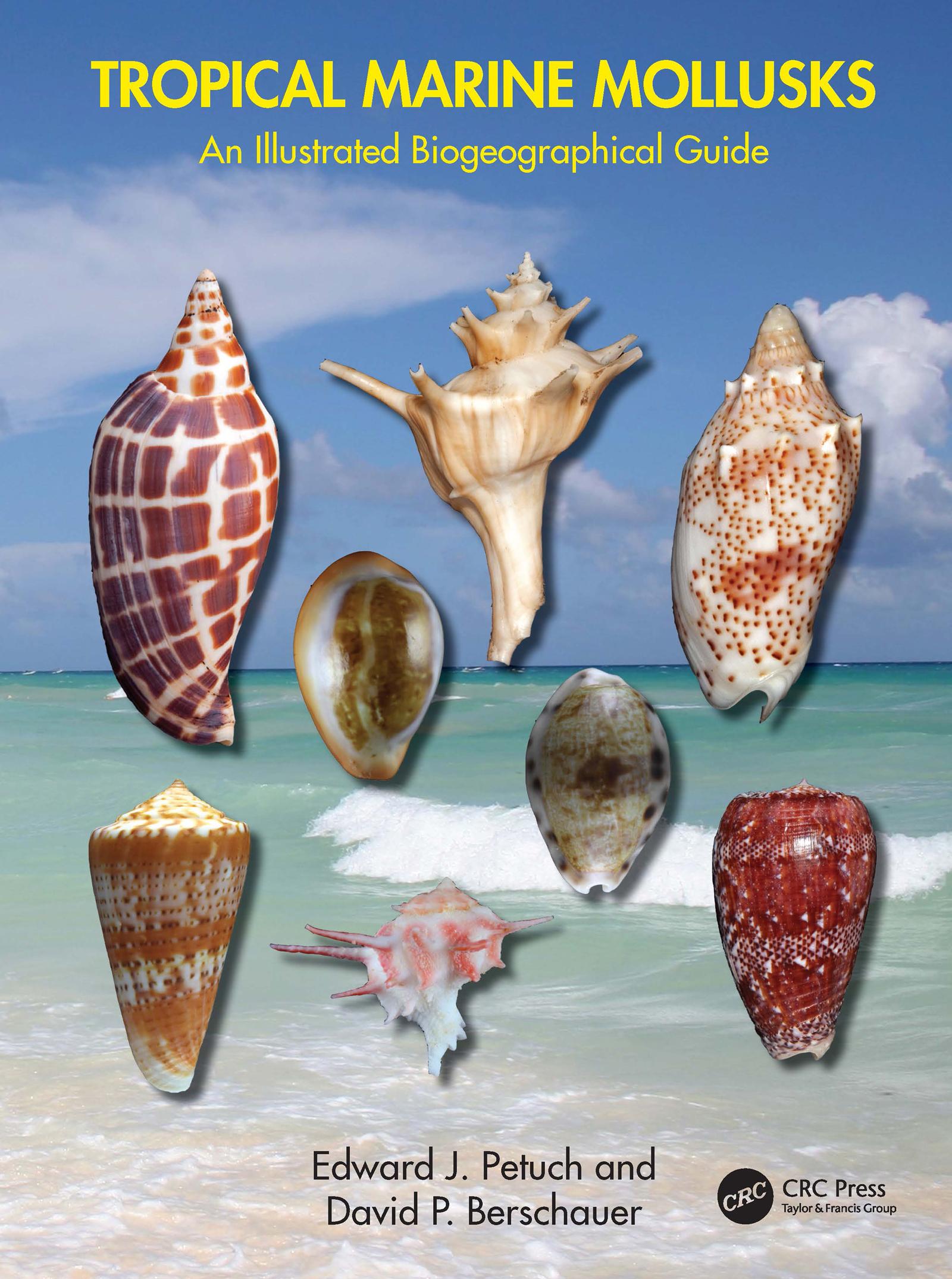
Marine biogeography, the study of the spatial distribution of organisms in the world’s oceans, is one of the most fascinating branches of oceanography. This book continues the pioneering research into the distributions of molluscan faunas, first studied by biologists over 160 years ago. It illustrates 1778 species of gastropods in full color, many of which are extremely rare and poorly known endemic species that are illustrated for the first time outside of their original descriptions.
The spatial arrangements of malacofaunas shown in this book can be considered proxies for worldwide oceanic conditions and used as tools for determining patterns of global climate change. The book's documentation of evolutionary "hot spots" and geographically restricted endemic faunas can also be used as a base line for future studies on patterns of environmental deterioration and extinction in the marine biosphere.
Documenting the evolution of the amazingly rich worldwide gastropod fauna, this book will appeal to physical and chemical oceanographers, systematic and evolutionary biologists, historical geologists, paleontologists, climatologists, geomorphologists, and physical geographers. The authors incorporate aspects of all of these disciplines into a new classification system for the nomenclature of biogeographical spatial units found in tropical, subtropical, and warm temperate seas.
Betal nemt med kort, Klarna, Apple Pay eller Google Pay. Ikke tilfreds? Du har altid 14 dages fortrydelsesret. Læs mere i vores vilkår. Har du spørgsmål, så send os en mail på hello@memmo.org.
Memmo gør det nemmere at studere – uanset hvor du er i verden. Hos os samler du dine kursusbøger og smarte studieværktøjer ét sted: resuméer, quizzer, podcasts og flashcards. Og så er der Ted, din studieven, der svarer på alt, du undrer dig over. Over 50 000 studerende studerer allerede her – bygget til at hjælpe dig med at lære hurtigere og stresse mindre.