
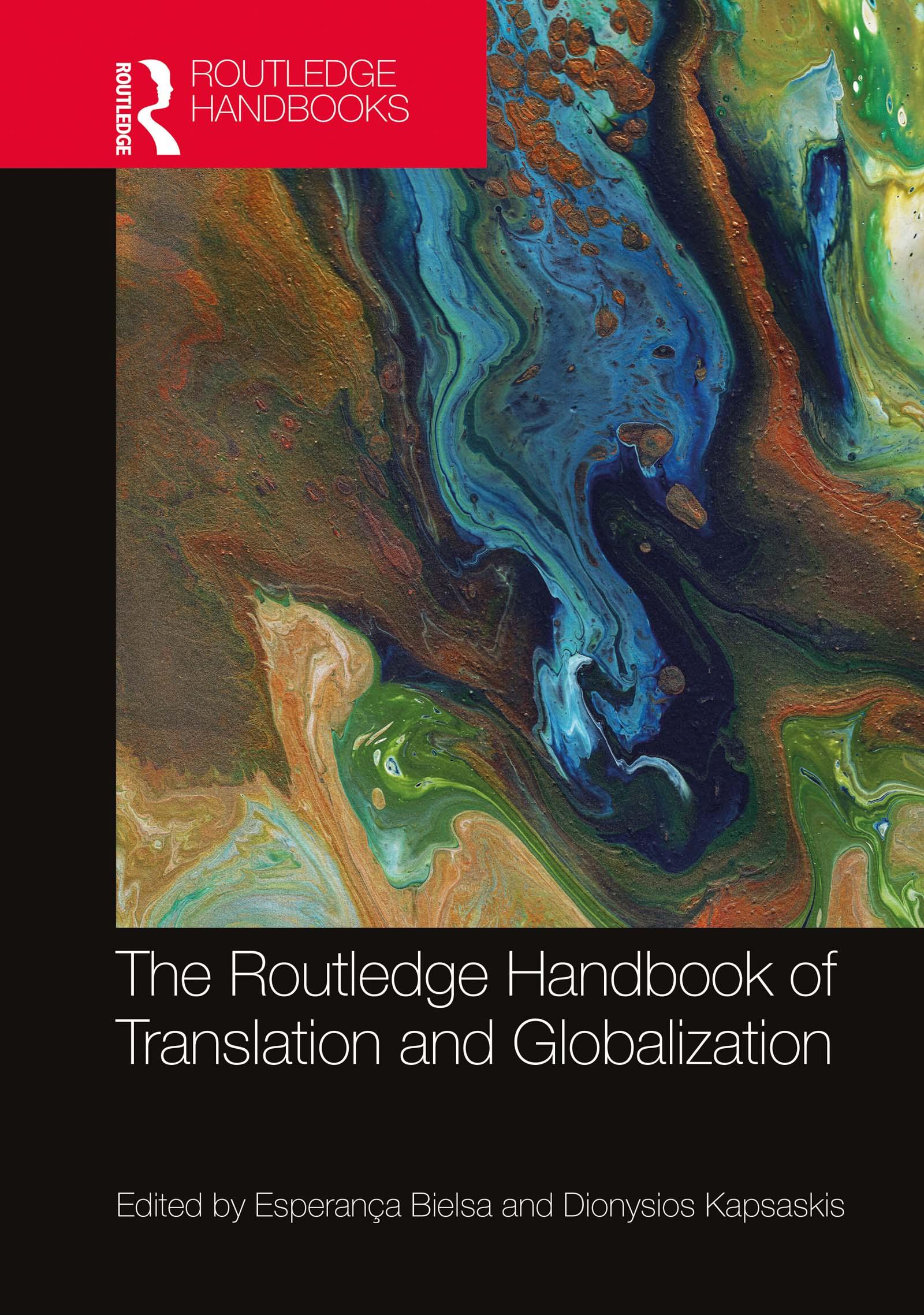
This is the first handbook to provide a comprehensive coverage of the main approaches that theorize translation and globalization, offering a wide-ranging selection of chapters dealing with substantive areas of research. The handbook investigates the many ways in which translation both enables globalization and is inevitably transformed by it.
Taking a genuinely interdisciplinary approach, the authors are leading researchers drawn from the social sciences, as well as from translation studies. The chapters cover major areas of current interdisciplinary interest, including climate change, migration, borders, democracy and human rights, as well as key topics in the discipline of translation studies. This handbook also highlights the increasing significance of translation in the most pressing social, economic and political issues of our time, while accounting for the new technologies and practices that are currently deployed to cope with growing translation demands.
With five sections covering key concepts, people, culture, economics and politics, and a substantial introduction and conclusion, this handbook is an indispensable resource for students and researchers of translation and globalization within translation and interpreting studies, comparative literature, sociology, global studies, cultural studies and related areas.
Betal nemt med kort, Klarna, Apple Pay eller Google Pay. Ikke tilfreds? Du har altid 14 dages fortrydelsesret. Læs mere i vores vilkår. Har du spørgsmål, så send os en mail på hello@memmo.org.
Memmo gør det nemmere at studere – uanset hvor du er i verden. Hos os samler du dine kursusbøger og smarte studieværktøjer ét sted: resuméer, quizzer, podcasts og flashcards. Og så er der Ted, din studieven, der svarer på alt, du undrer dig over. Over 50 000 studerende studerer allerede her – bygget til at hjælpe dig med at lære hurtigere og stresse mindre.