
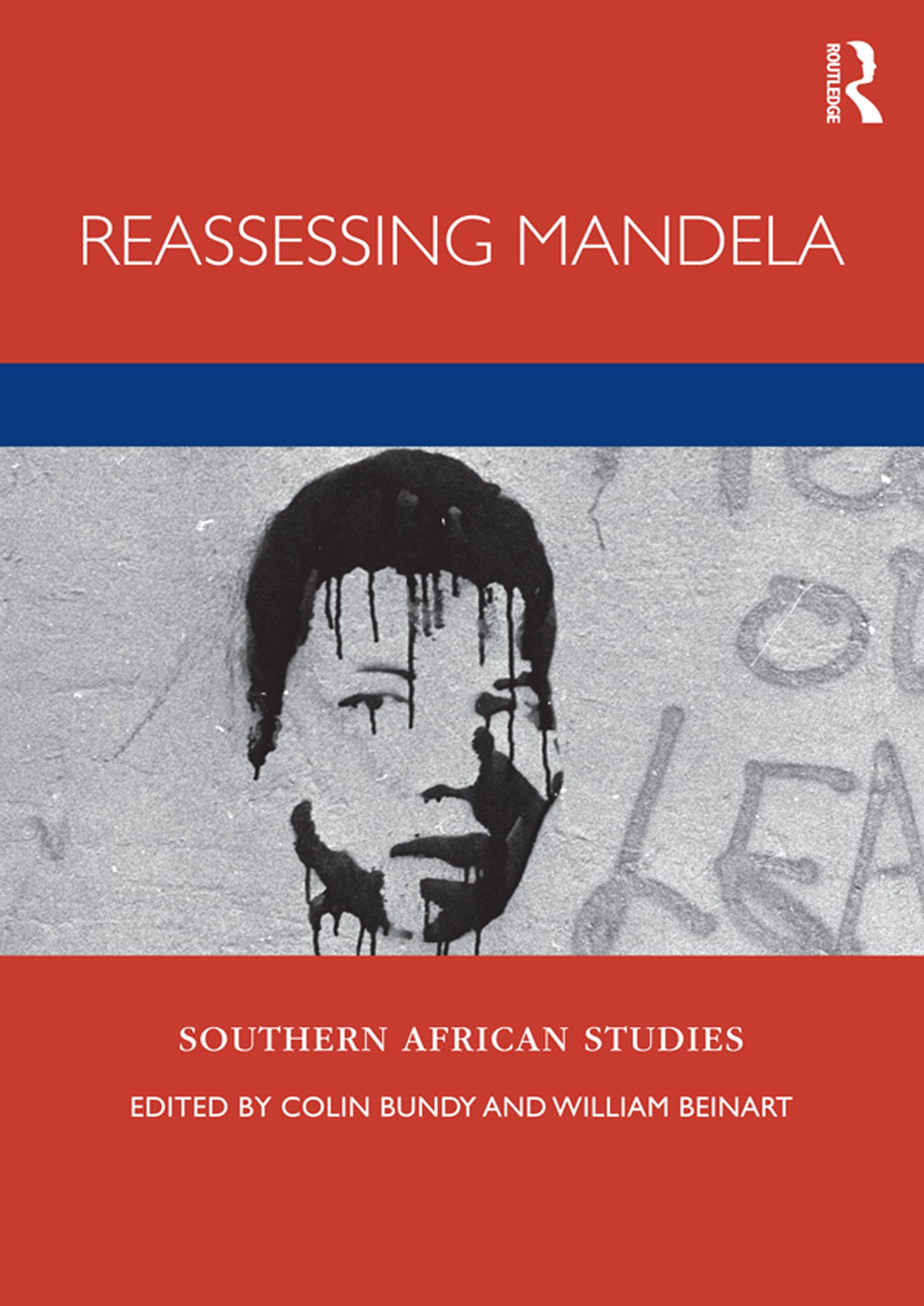
Seven years since his death (2013), Nelson Mandela still occupies an extraordinary place in the global imagination. Internationally, Mandela’s renown seems intact and invulnerable. In South Africa, however, his legacy and his place in the country’s history have become matters of contention and dispute, especially amongst younger black South Africans. The essays in this book analyse aspects of Mandela’s life in the context of South Africa’s national history, and make an important contribution to the historiography of the anti-apartheid political struggle. They reassess: the political context of Mandela’s youth; his changing political beliefs and connections with the Left; his role in the African National Congress and the turn to armed struggle; his marriage to Winnie Madikizela-Mandela and their political relationship. By providing new context, they explore Mandela as an actor in broader social processes such as the rise of the ANC and the making of South Africa’s post-apartheid constitution.
The detailed essays are linked in a substantial introduction by Colin Bundy and current debates are addressed in a concluding essay by Elleke Boehmer. This book provides a scholarly counterweight both to uncritical celebration of Mandela and also to a simplistic attribution of post-apartheid shortcomings to the person of Mandela.
This book was originally published as a special issue of the Journal of Southern African Studies.
Betal nemt med kort, Klarna, Apple Pay eller Google Pay. Ikke tilfreds? Du har altid 14 dages fortrydelsesret. Læs mere i vores vilkår. Har du spørgsmål, så send os en mail på hello@memmo.org.
Memmo gør det nemmere at studere – uanset hvor du er i verden. Hos os samler du dine kursusbøger og smarte studieværktøjer ét sted: resuméer, quizzer, podcasts og flashcards. Og så er der Ted, din studieven, der svarer på alt, du undrer dig over. Over 50 000 studerende studerer allerede her – bygget til at hjælpe dig med at lære hurtigere og stresse mindre.