
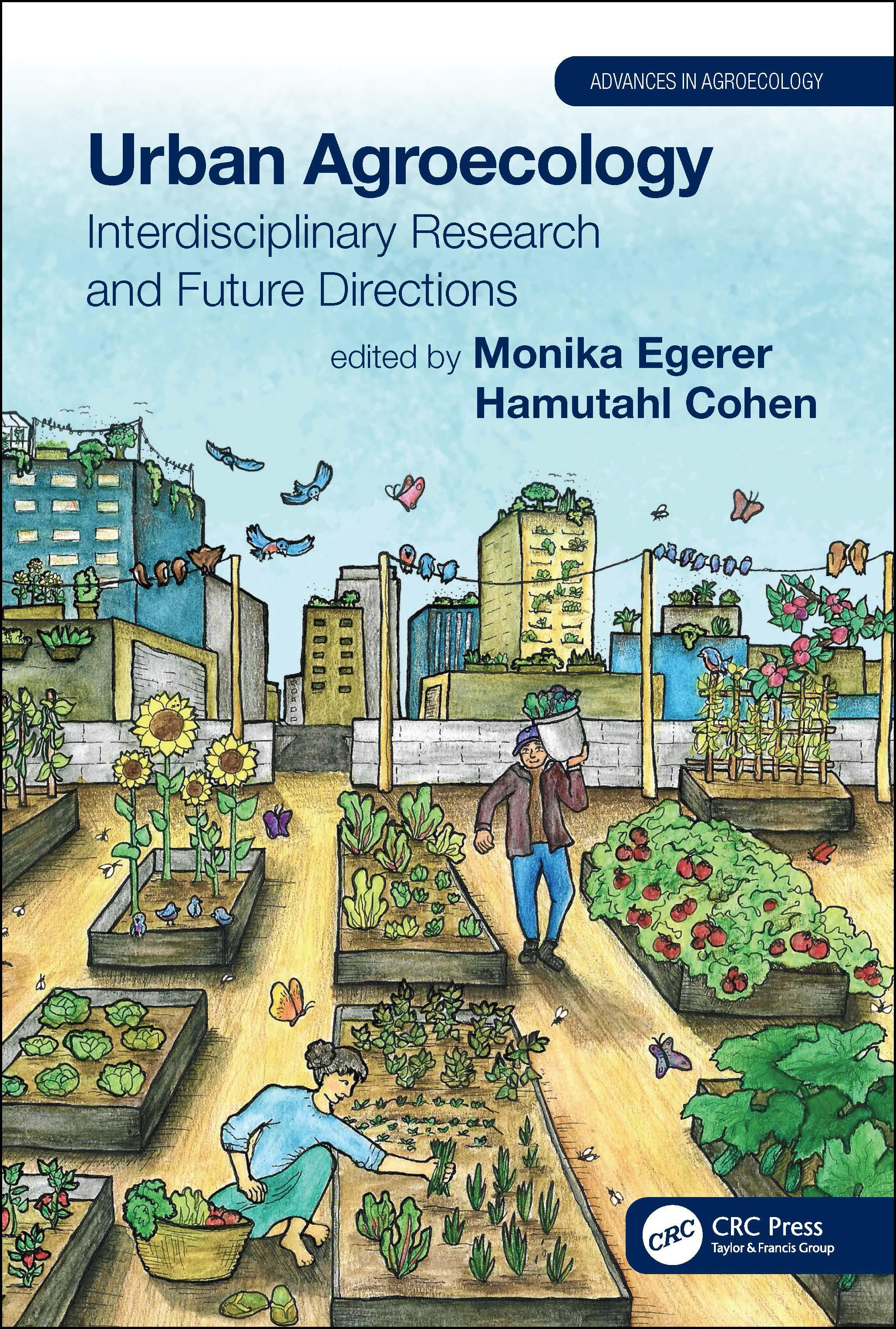
Today, 20 percent of the global food supply relies on urban agriculture: social-ecological systems shaped by both human and non-human interactions. This book shows how urban agroecologists measure flora and fauna that underpin the ecological dynamics of these systems, and how people manage and benefit from these systems. It explains how the sociopolitical landscape in which these systems are embedded can in turn shape the social, ecological, political, and economic dynamics within them. Synthesizing interdisciplinary approaches in urban agroecology in the natural and social sciences, the book explores methodologies and new directions in research that can be adopted by scholars and practitioners alike.
With contributions from researchers utilizing both social and natural science approaches, Urban Agroecology describes the current social-environmental understandings of the science, the movement and the practices in urban agroecology. By investigating the role of agroecology in cities, the book calls for the creation of spaces for food to be sustainably grown in urban spaces: an Urban Agriculture (UA) movement. Essential reading for graduate students, practitioners, policy makers and researchers, this book charts the course for accelerating this movement.
Betal nemt med kort, Klarna, Apple Pay eller Google Pay. Ikke tilfreds? Du har altid 14 dages fortrydelsesret. Læs mere i vores vilkår. Har du spørgsmål, så send os en mail på hello@memmo.org.
Memmo gør det nemmere at studere – uanset hvor du er i verden. Hos os samler du dine kursusbøger og smarte studieværktøjer ét sted: resuméer, quizzer, podcasts og flashcards. Og så er der Ted, din studieven, der svarer på alt, du undrer dig over. Over 50 000 studerende studerer allerede her – bygget til at hjælpe dig med at lære hurtigere og stresse mindre.