
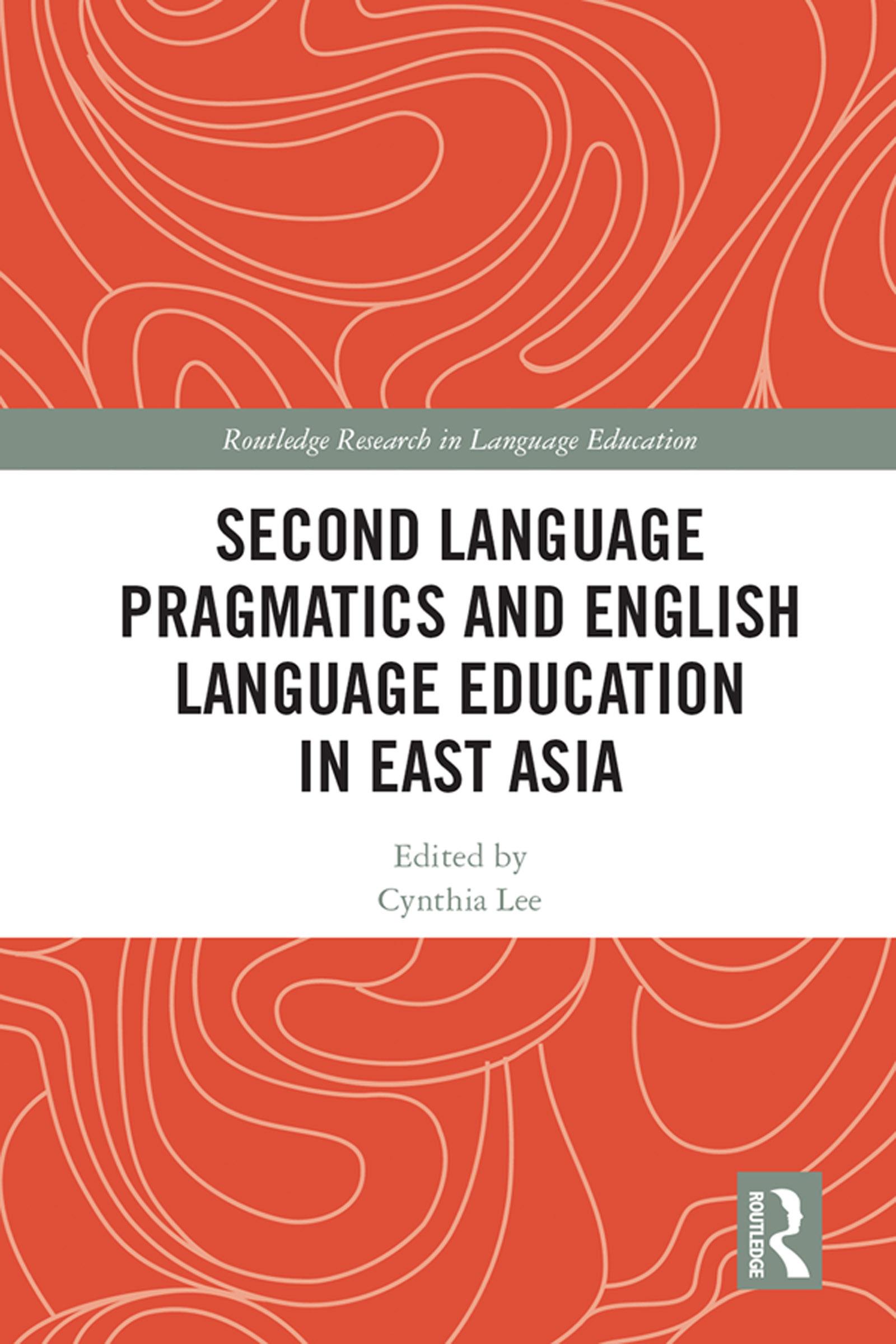
This edited collection addresses the link between second language pragmatics (including interlanguage and intercultural) research and English language education. The chapters use different contemporary research methods and theoretical frameworks such as conversation analysis, language-learners-as-ethnographers, discourse and interactional approaches and data in contexts (either in the region or overseas).
The content explores and discusses the significance of learning and teaching of second language (L2) pragmatics in language education for learners who use English as a lingua franca for academic and intercultural communication purposes with native and non-native speakers of English, focusing on pragmatic actions, social behaviours, perceptions and awareness levels in three regions in East Asia – China, Japan and South Korea. It is an important contribution to the area of second language pragmatics in language education for East Asian learners. It recommends research-informed pedagogies for the learning and teaching of interlanguage or intercultural pragmatics in regions and places where similar cultural beliefs or practices are found.
This is an essential read for researchers, language educators, classroom teachers, readers who are interested in second language pragmatics research and those interested in second language acquisition and English language education in the East Asian context.
Betal nemt med kort, Klarna, Apple Pay eller Google Pay. Ikke tilfreds? Du har altid 14 dages fortrydelsesret. Læs mere i vores vilkår. Har du spørgsmål, så send os en mail på hello@memmo.org.
Memmo gør det nemmere at studere – uanset hvor du er i verden. Hos os samler du dine kursusbøger og smarte studieværktøjer ét sted: resuméer, quizzer, podcasts og flashcards. Og så er der Ted, din studieven, der svarer på alt, du undrer dig over. Over 50 000 studerende studerer allerede her – bygget til at hjælpe dig med at lære hurtigere og stresse mindre.