
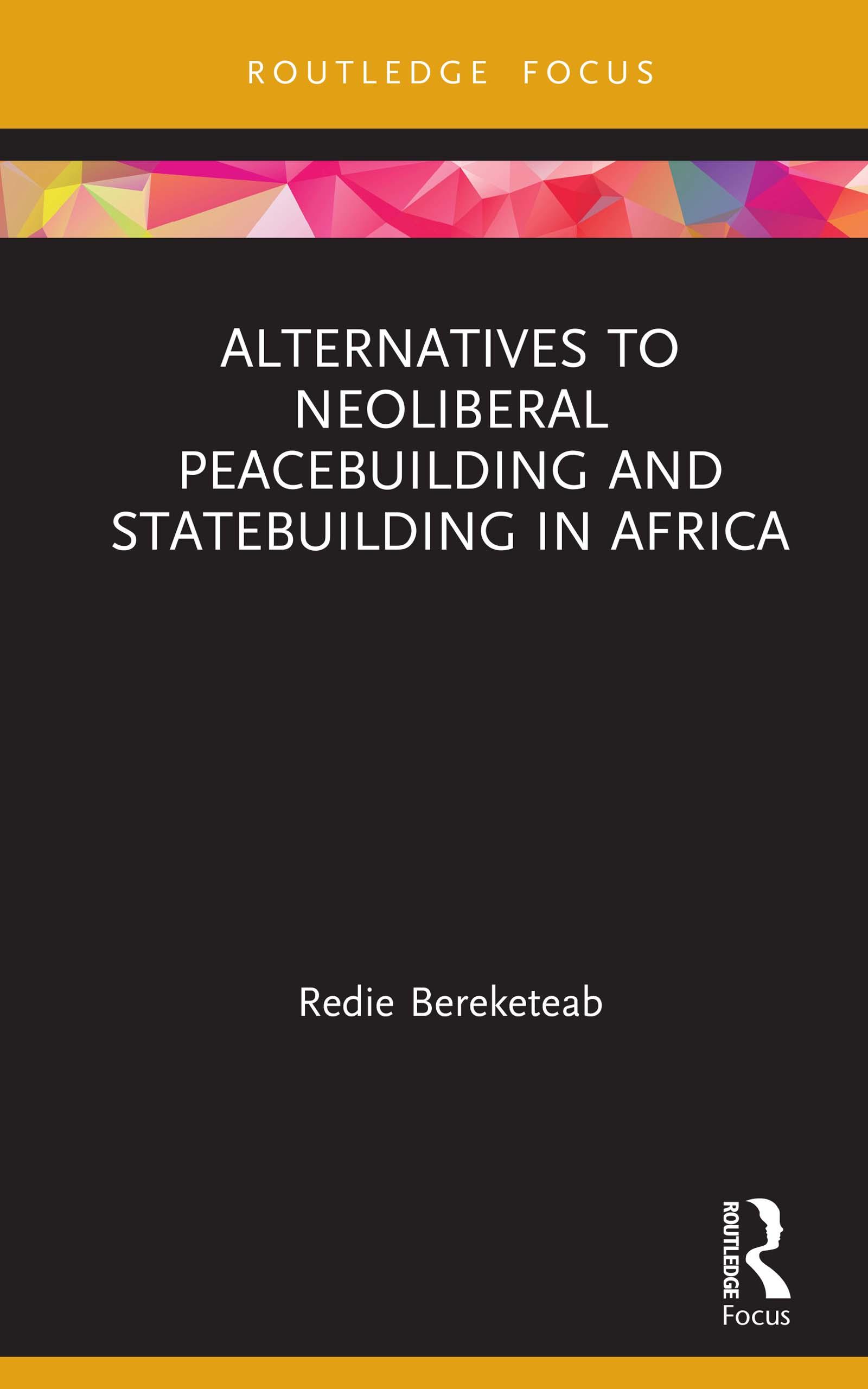
This book critically interrogates the neoliberal peacebuilding and statebuilding model and proposes a popular progressive model centred around the lived realities of African societies.
The neoliberal interventionist model assumed prominence and universal hegemony following the demise of state socialism at the end of the Cold War. However, this book argues that it is a primarily short-term, top-down approach that imposes Western norms and values on conflict and post-conflict societies. By contrast, the popular progressive model espoused by this book is based on stringent examination and analysis of the reality of the socio-economic development, structures, institutions, politics and cultures of developing societies. In doing so, it combines bottom-up and top-down, popular and elite, and long-term evolutionary processes of societal construction as a requisite for enduring peacebuilding and statebuilding.
By comparing and contrasting the dominant neoliberal peacebuilding and statebuilding model with a popular progressive model, the book seeks to empower locals (both elites and masses) to sit in the driver’s seat and construct their own societies. As such, it is an important contribution to scholars, activists, policymakers, civil society organisations, NGOs and all those who are concerned with peace, stability and development across Africa and other developing countries.
Betal nemt med kort, Klarna, Apple Pay eller Google Pay. Ikke tilfreds? Du har altid 14 dages fortrydelsesret. Læs mere i vores vilkår. Har du spørgsmål, så send os en mail på hello@memmo.org.
Memmo gør det nemmere at studere – uanset hvor du er i verden. Hos os samler du dine kursusbøger og smarte studieværktøjer ét sted: resuméer, quizzer, podcasts og flashcards. Og så er der Ted, din studieven, der svarer på alt, du undrer dig over. Over 50 000 studerende studerer allerede her – bygget til at hjælpe dig med at lære hurtigere og stresse mindre.