
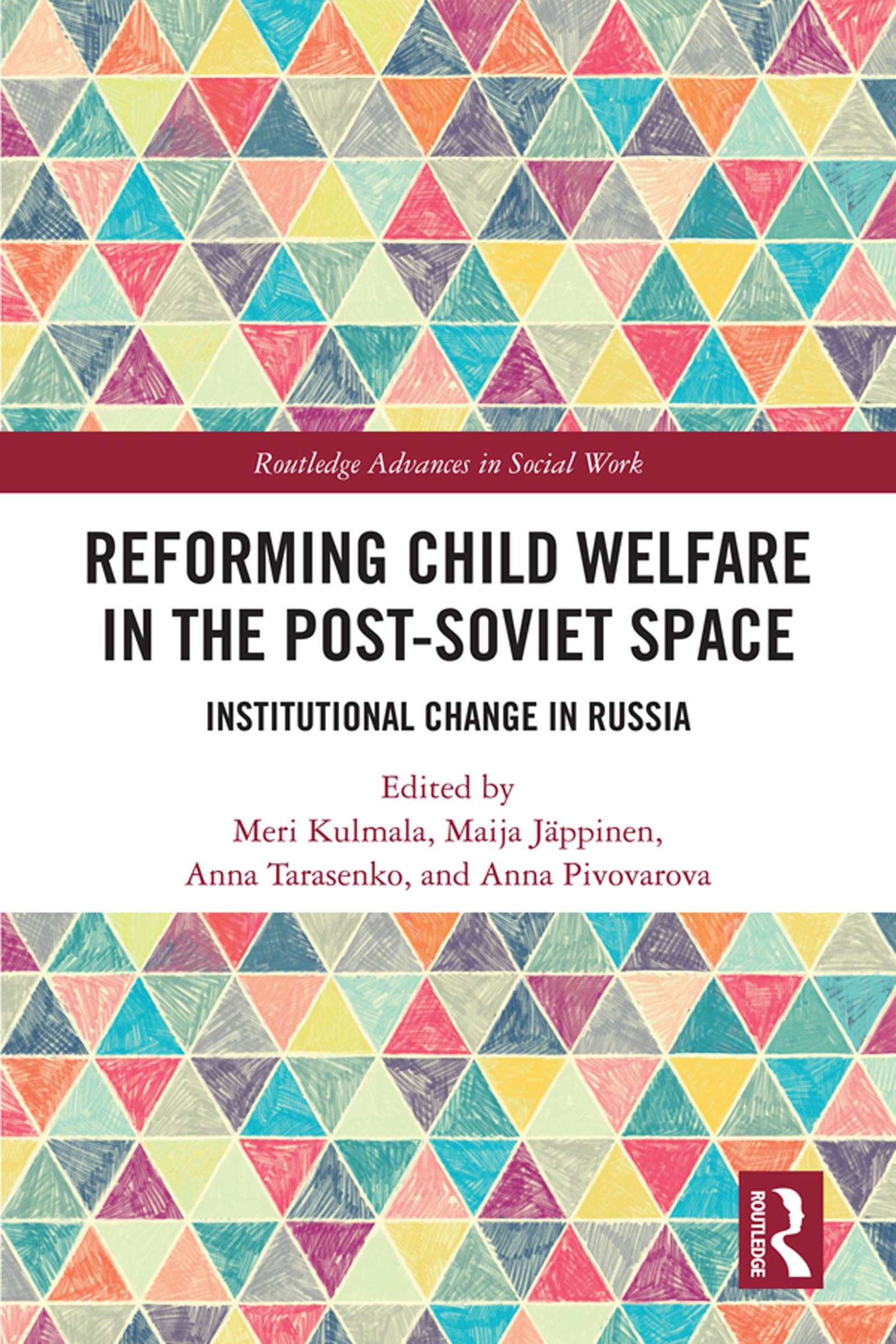
This book provides new and empirically grounded research-based knowledge and insights into the current transformation of the Russian child welfare system. It focuses on the major shift in Russia’s child welfare policy: deinstitutionalisation of the system of children’s homes inherited from the Soviet era and an increase in fostering and adoption.
Divided into four sections, this book details both the changing role and function of residential institutions within the Russian child welfare system and the rapidly developing form of alternative care in foster families, as well as work undertaken with birth families. By analysing the consequences of deinstitutionalisation and its effects on children and young people as well as their foster and birth parents, it provides a model for understanding this process across the whole of the post-Soviet space.
It will be of interest to academics and students of social work, sociology, child welfare, social policy, political science, and Russian and East European politics more generally.
Betal nemt med kort, Klarna, Apple Pay eller Google Pay. Ikke tilfreds? Du har altid 14 dages fortrydelsesret. Læs mere i vores vilkår. Har du spørgsmål, så send os en mail på hello@memmo.org.
Memmo gør det nemmere at studere – uanset hvor du er i verden. Hos os samler du dine kursusbøger og smarte studieværktøjer ét sted: resuméer, quizzer, podcasts og flashcards. Og så er der Ted, din studieven, der svarer på alt, du undrer dig over. Over 50 000 studerende studerer allerede her – bygget til at hjælpe dig med at lære hurtigere og stresse mindre.