
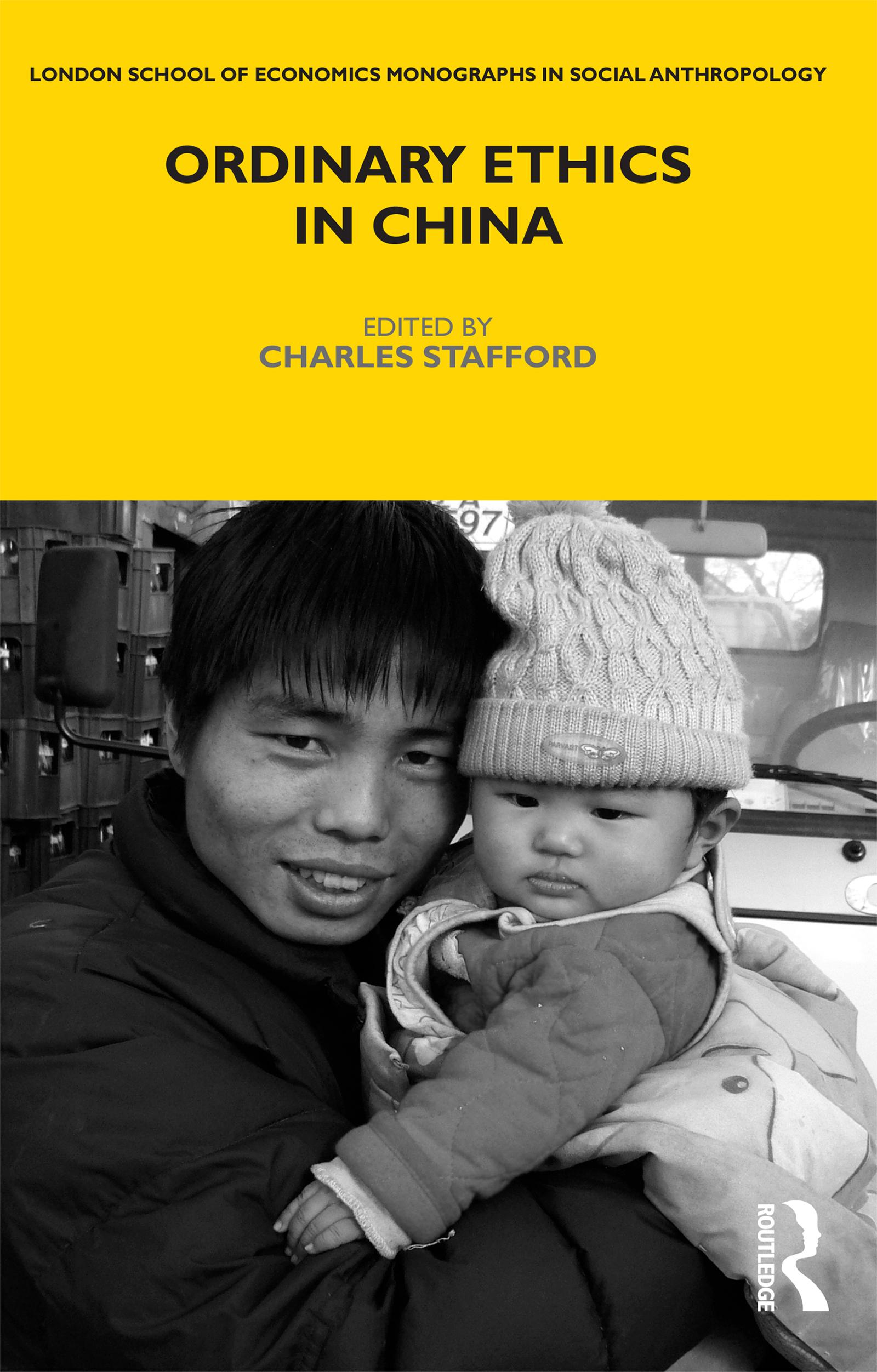
Drawing on a wide range of anthropological case studies, this book focuses on ordinary ethics in contemporary China. The book examines the kinds of moral and ethical issues that emerge (sometimes almost unnoticed) in the flow of everyday life in Chinese communities.How are schoolchildren judged to be good or bad by their teachers and their peers - and how should a 'bad' student be dealt with? What exactly do children owe their parents, and how should this debt be repaid? Is it morally acceptable to be jealous if one's neighbours suddenly become rich? Should the wrongs of the past be forgotten, e.g. in the interests of communal harmony, or should they be dealt with now?In the case of China, such questions have obviously been shaped by the historical contexts against which they have been posed, and by the weight of various Chinese traditions. But this book approaches them on a human scale. More specifically, it approaches them from an anthropological perspective, based on participation in the flow of everyday life during ethnographic fieldwork in Chinese communities.
Betal nemt med kort, Klarna, Apple Pay eller Google Pay. Ikke tilfreds? Du har altid 14 dages fortrydelsesret. Læs mere i vores vilkår. Har du spørgsmål, så send os en mail på hello@memmo.org.
Memmo gør det nemmere at studere – uanset hvor du er i verden. Hos os samler du dine kursusbøger og smarte studieværktøjer ét sted: resuméer, quizzer, podcasts og flashcards. Og så er der Ted, din studieven, der svarer på alt, du undrer dig over. Over 50 000 studerende studerer allerede her – bygget til at hjælpe dig med at lære hurtigere og stresse mindre.
Du kan måske også lide
Køb bogen0