
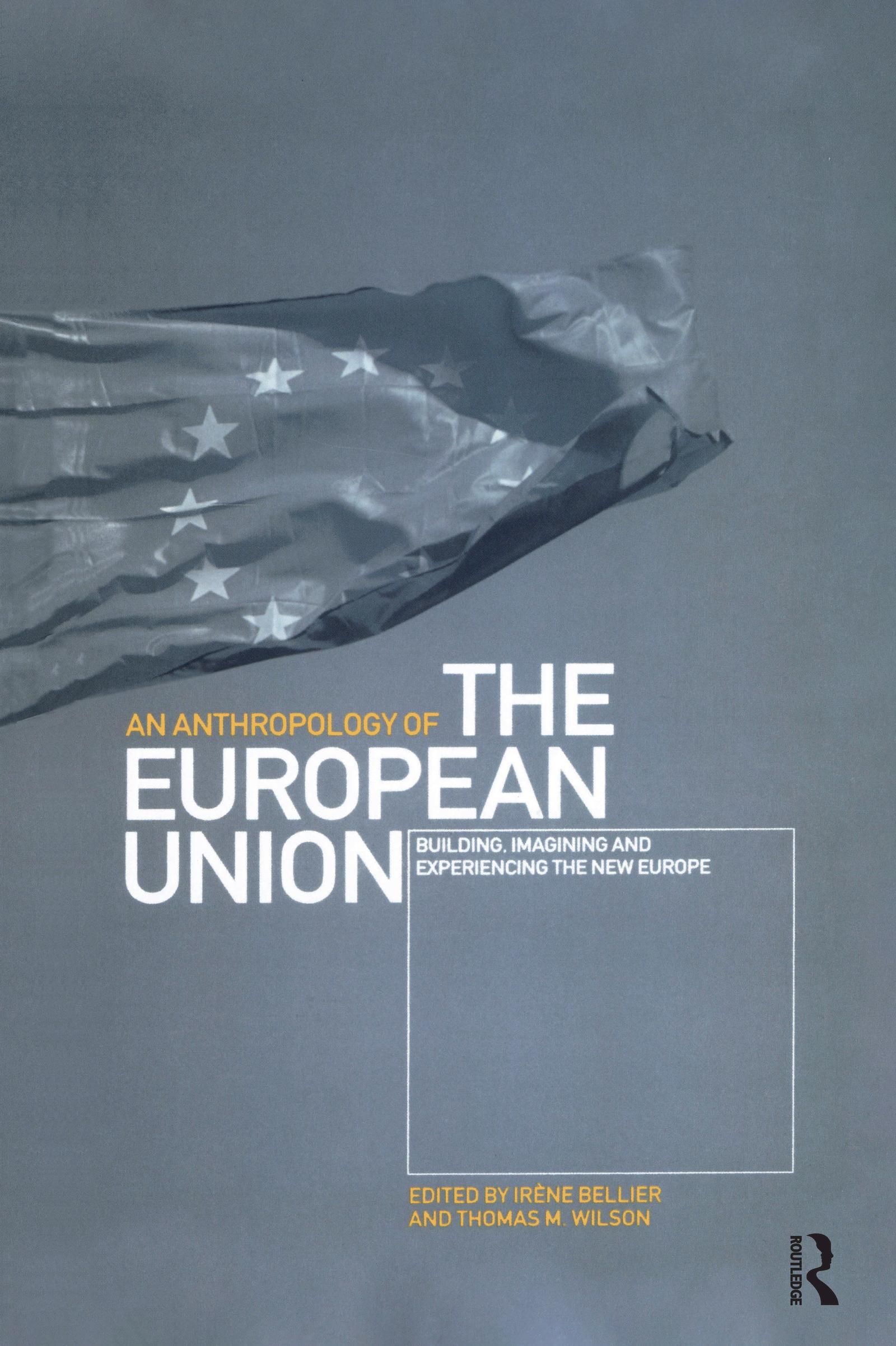
One of the problems facing Europe is that the building of institutional Europe and top-down efforts to get Europeans to imagine their common identity do not necessarily result in political and cultural unity. Anthropologists have been slow to consider the difficulties presented by the expansion of the EU model and its implications for Europe in the 21st Century. Representing a new trend in European anthropology, this book examines how people adjust to their different experiences of the new Europe. The role of culture, religion, and ideology, as well as insiders' social and professional practices, are all shown to shed light on the cultural logic sustaining the institutions and policies of the European Union. On the one hand, the activities of the European institutions in Brussels illustrate how people of many different nationalities, languages and cultures can live and work together. On the other hand, the interests of many people at the local, regional and national levels are not the same as the Eurocrats'. Contributors explore the issues of unity and diversity in ‘Europe-building' through various European institutions, images, and programmes, and their effects on a variety of definitions of identity in such locales as France, Denmark, the United Kingdom, Ireland and Belgium.
Betal nemt med kort, Klarna, Apple Pay eller Google Pay. Ikke tilfreds? Du har altid 14 dages fortrydelsesret. Læs mere i vores vilkår. Har du spørgsmål, så send os en mail på hello@memmo.org.
Memmo gør det nemmere at studere – uanset hvor du er i verden. Hos os samler du dine kursusbøger og smarte studieværktøjer ét sted: resuméer, quizzer, podcasts og flashcards. Og så er der Ted, din studieven, der svarer på alt, du undrer dig over. Over 50 000 studerende studerer allerede her – bygget til at hjælpe dig med at lære hurtigere og stresse mindre.
Du kan måske også lide
Køb bogen0