
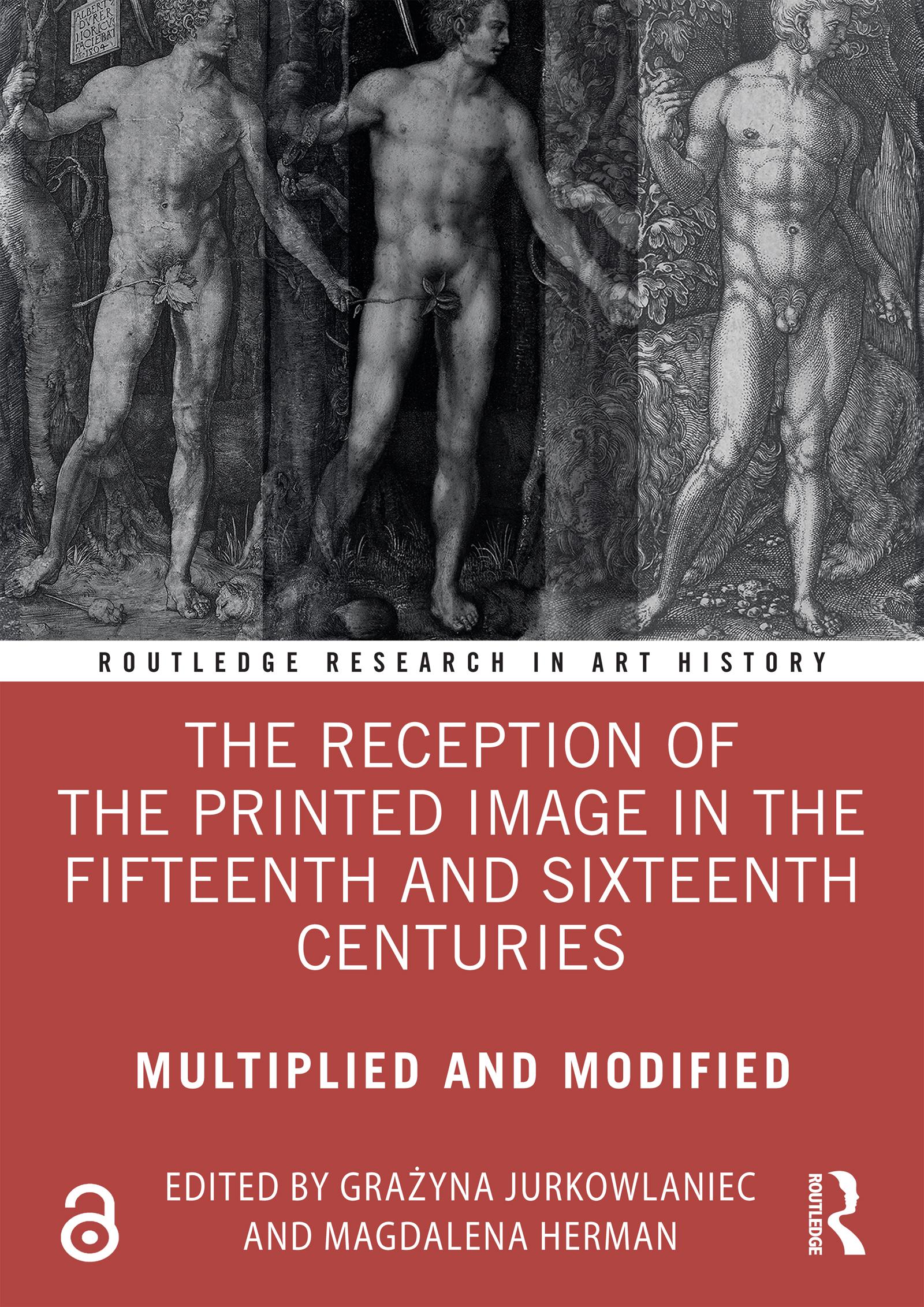
This book examines the early development of the graphic arts from the perspectives of material things, human actors and immaterial representations while broadening the geographic field of inquiry to Central Europe and the British Isles and considering the reception of the prints on other continents.
The role of human actors proves particularly prominent, i.e. the circumstances that informed creators’, producers’, owners’ and beholders’ motivations and responses. Certainly, such a complex relationship between things, people and images is not an exclusive feature of the pre-modern period’s print cultures. However, the rise of printmaking challenged some established rules in the arts and visual realms and thus provides a fruitful point of departure for further study of the development of the various functions and responses to printed images in the sixteenth century.
The book will be of interest to scholars working in art history, print history, book history and European studies.
The introduction of this book is freely available as a downloadable Open Access PDF under a Creative Commons Attribution-Non Commercial-No Derivatives 4.0 license at https://www.taylorfrancis.com/chapters/oa-edit/10.4324/9781003029199-1/introduction-gra%C5%BCyna-jurkowlaniec-magdalena-herman?context=ubx&refId=b6a86646-c9f3-490d-8a06-2946acd75fda
Betal nemt med kort, Klarna, Apple Pay eller Google Pay. Ikke tilfreds? Du har altid 14 dages fortrydelsesret. Læs mere i vores vilkår. Har du spørgsmål, så send os en mail på hello@memmo.org.
Memmo gør det nemmere at studere – uanset hvor du er i verden. Hos os samler du dine kursusbøger og smarte studieværktøjer ét sted: resuméer, quizzer, podcasts og flashcards. Og så er der Ted, din studieven, der svarer på alt, du undrer dig over. Over 50 000 studerende studerer allerede her – bygget til at hjælpe dig med at lære hurtigere og stresse mindre.