
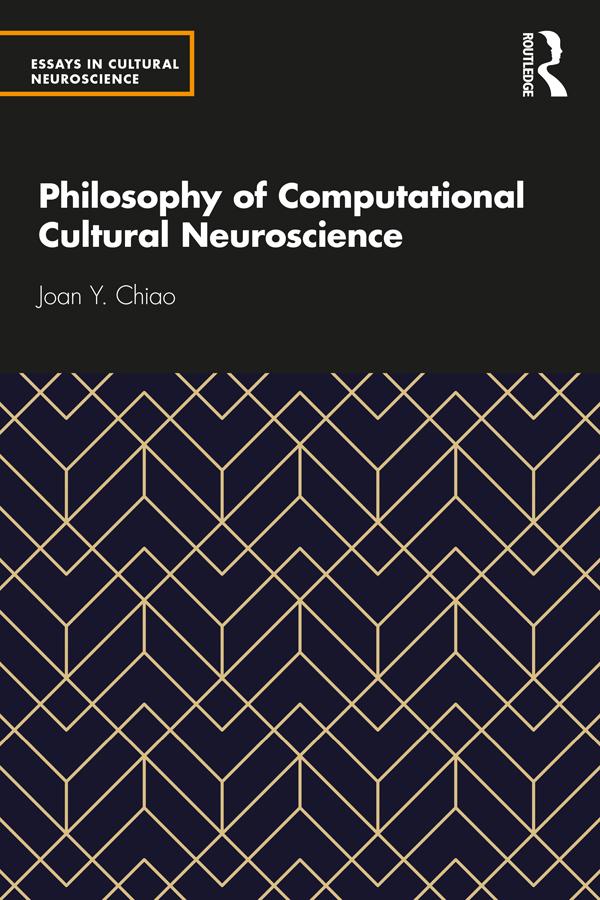
This book aims to illuminate theoretical and methodological advances in computational cultural neuroscience and the implications of these advances for philosophy. Philosophical studies in computational cultural neuroscience introduce core considerations such as culture and computation, and the role of scientific and technological progression for the advancement of cultural processes.
The study of how cultural and biological factors shape human behaviour has been an important inquiry for centuries, and recent advances in the field of computational cultural neuroscience allow for novel insights into the computational foundations of cultural processes in the structural and functional organization of the nervous system. The author examines the computational foundations of the mind and brain across cultures and investigates the influence of culture on the computational mind and brain. The book explores recent advances in the field, providing novel insights on topics such as artificialism, reconstructionism, and intelligence.
Philosophy of Computational Cultural Neuroscience is fascinating reading for students and academics in the field of neuroscience who wish to take a cultural or philosophical approach to their studies and research.
This book is the winner of the International Cultural Neuroscience Society’s International Book Prize.
Betal nemt med kort, Klarna, Apple Pay eller Google Pay. Ikke tilfreds? Du har altid 14 dages fortrydelsesret. Læs mere i vores vilkår. Har du spørgsmål, så send os en mail på hello@memmo.org.
Memmo gør det nemmere at studere – uanset hvor du er i verden. Hos os samler du dine kursusbøger og smarte studieværktøjer ét sted: resuméer, quizzer, podcasts og flashcards. Og så er der Ted, din studieven, der svarer på alt, du undrer dig over. Over 50 000 studerende studerer allerede her – bygget til at hjælpe dig med at lære hurtigere og stresse mindre.