
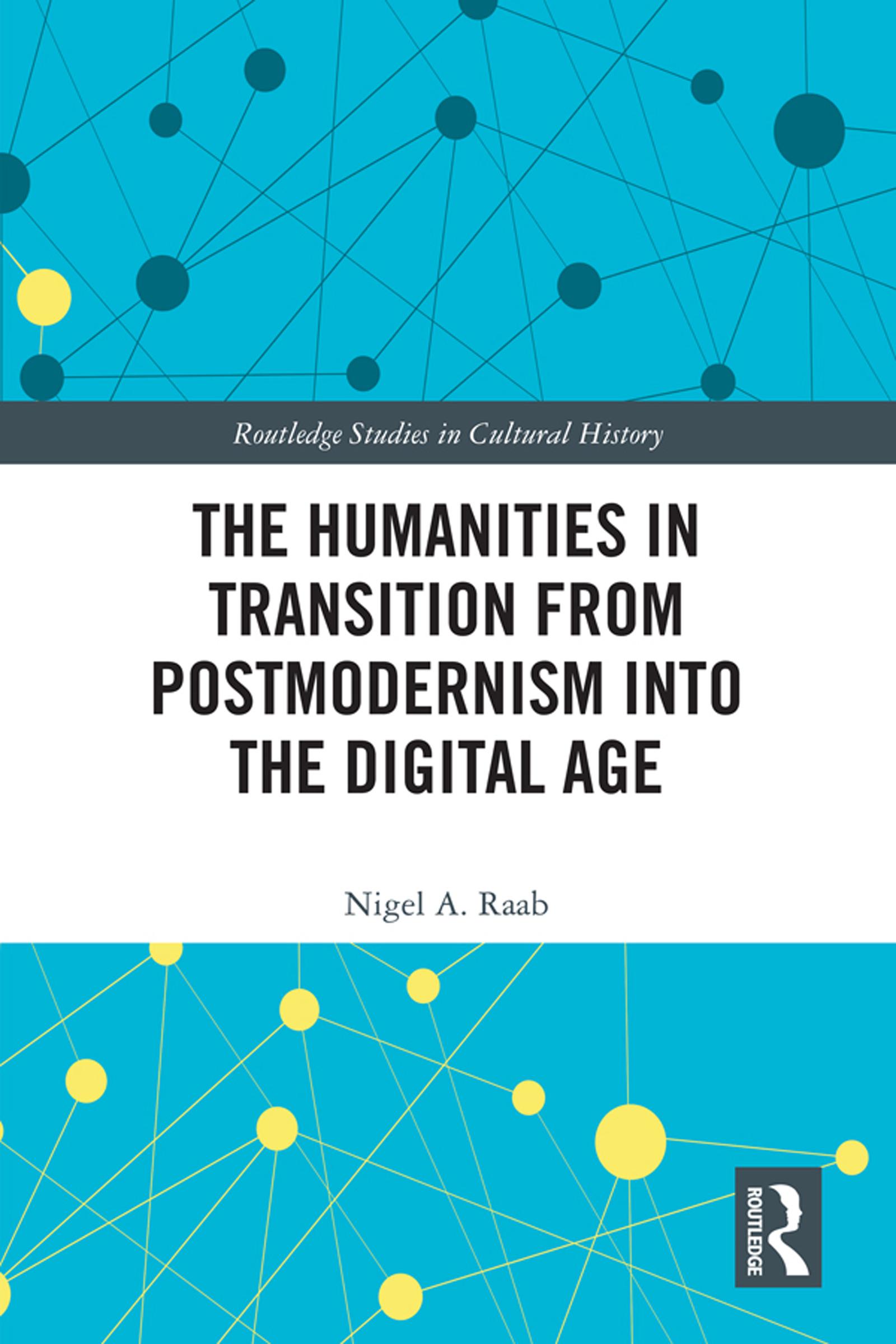
The Humanities in Transition explores how the basic components of the digital age will have an impact on the most trusted theories of humanists. Over the past two generations, humanists have come to take basic postmodern theories for granted whether on language, knowledge or time. Yet Michel Foucault, Jacques Derrida and similar philosophers developed their ideas when the impact of this digital world could barely be imagined. The digital world, built on algorithms and massive amounts of data, operates on radically different principles.
This volume analyzes these differences, demonstrating where an aging postmodernism cannot keep pace with today’s technologies. The book first introduces the major influence postmodern had on global thought before turning to algorithms, digital space, digital time, data visuals and the concept to digital forgeries. By taking a closer look at these themes, it establishes a platform to create more robust humanist theories for the third millennium. This book will appeal to graduate students and established scholars in the Digital Humanities who are looking for diverse and energetic theoretical approaches that can truly come to terms with the digital world.
Betal nemt med kort, Klarna, Apple Pay eller Google Pay. Ikke tilfreds? Du har altid 14 dages fortrydelsesret. Læs mere i vores vilkår. Har du spørgsmål, så send os en mail på hello@memmo.org.
Memmo gør det nemmere at studere – uanset hvor du er i verden. Hos os samler du dine kursusbøger og smarte studieværktøjer ét sted: resuméer, quizzer, podcasts og flashcards. Og så er der Ted, din studieven, der svarer på alt, du undrer dig over. Over 50 000 studerende studerer allerede her – bygget til at hjælpe dig med at lære hurtigere og stresse mindre.