
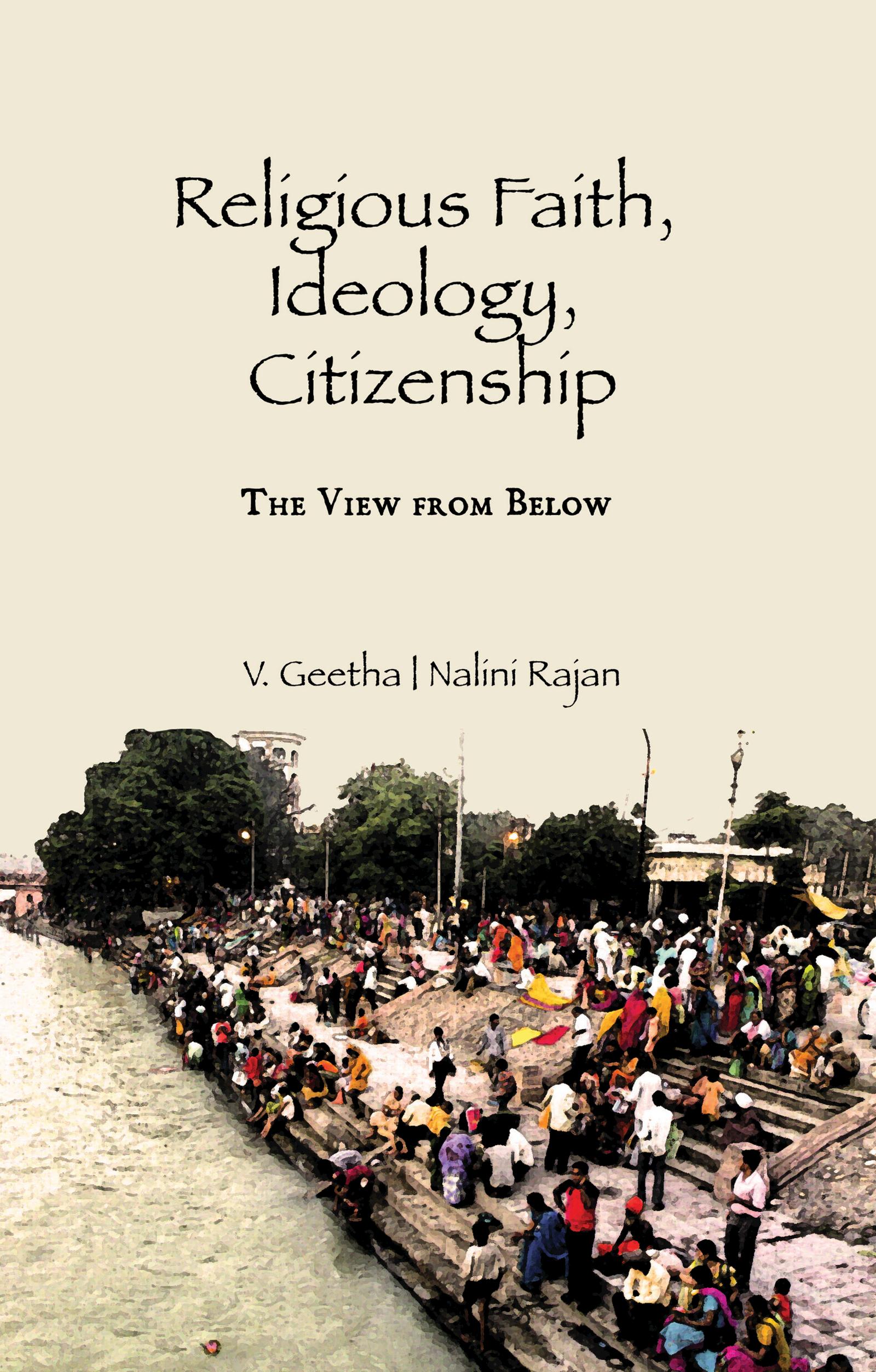
This book looks at the triadic relations between faith, the state and political actors, and the ideas that move them. It comprises a set of essays on diverse histories and ideas, ranging from Gandhian civic action to radical free thought in colonial India, from liberation theologies, that take their cue from specific and lived experiences of oppression and humiliation, to the universalism promised by an expansive Islam. Deploying gender and caste as the central analytical categories, these essays suggest that equality and justice rest on the strength and vitality of the exchanges between the worlds of the civic, the religious and the state, and not on their strict separation.
Going beyond time-honoured dualities — between the secular and the communal (especially in the Indian context), or the secular and the pre-modern — the book joins the lively debates on secularism that have emerged in the 21st century in West, South and South-east Asia.
Betal nemt med kort, Klarna, Apple Pay eller Google Pay. Ikke tilfreds? Du har altid 14 dages fortrydelsesret. Læs mere i vores vilkår. Har du spørgsmål, så send os en mail på hello@memmo.org.
Memmo gør det nemmere at studere – uanset hvor du er i verden. Hos os samler du dine kursusbøger og smarte studieværktøjer ét sted: resuméer, quizzer, podcasts og flashcards. Og så er der Ted, din studieven, der svarer på alt, du undrer dig over. Over 50 000 studerende studerer allerede her – bygget til at hjælpe dig med at lære hurtigere og stresse mindre.