
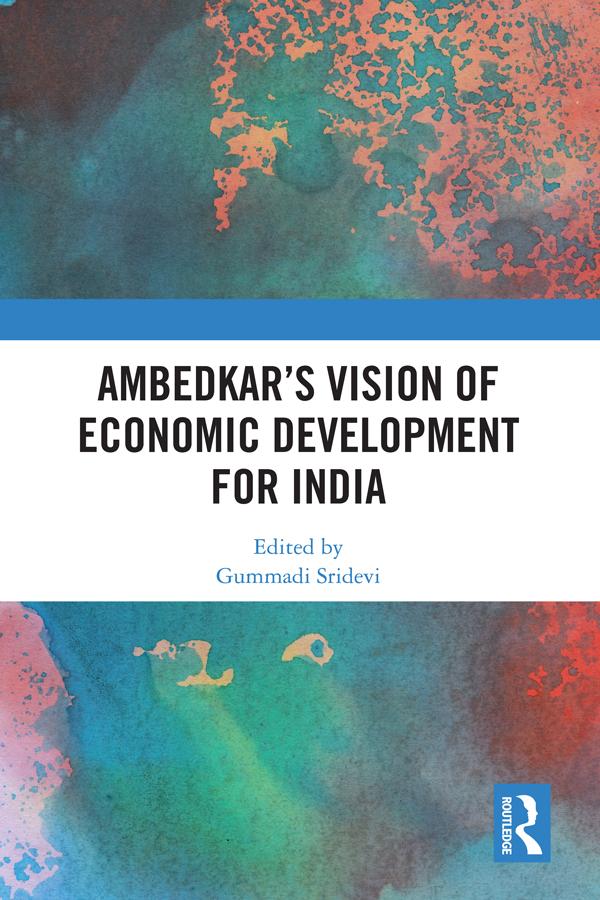
This book discusses Ambedkar’s engagements with the issues of social justice, economic development and caste enclosures. It highlights his significant contributions in the field of trade, public finance and monetary economics, Indian agriculture, education, among others, and examines their relevance in contemporary India.
The volume analyses the basic theoretical conceptions in Ambedkar’s writings which attributed a key role to industrialisation, favoured economic planning and progressive labour laws. It reaffirms these theories and illustrates that focus on social and economic democracy promotes productivity, equitable distribution of wealth and an inclusive society. Through an analysis of Ambedkar’s interdisciplinary works, the book discusses issues of rural poverty, lagging infrastructure growth, the persistence of an exploitative ruling class and the economic and social marginalisation of the downtrodden which are still relevant today. Further, it offers solutions for a restructuring of the society under democratic principles which would recognise the basic right of all to social dignity, and devise means to insure against social and economic insecurity.
Insightful and authoritative, this volume will be of great interest to students and researchers of economics, sociology, development studies and social exclusion.
Betal nemt med kort, Klarna, Apple Pay eller Google Pay. Ikke tilfreds? Du har altid 14 dages fortrydelsesret. Læs mere i vores vilkår. Har du spørgsmål, så send os en mail på hello@memmo.org.
Memmo gør det nemmere at studere – uanset hvor du er i verden. Hos os samler du dine kursusbøger og smarte studieværktøjer ét sted: resuméer, quizzer, podcasts og flashcards. Og så er der Ted, din studieven, der svarer på alt, du undrer dig over. Over 50 000 studerende studerer allerede her – bygget til at hjælpe dig med at lære hurtigere og stresse mindre.