
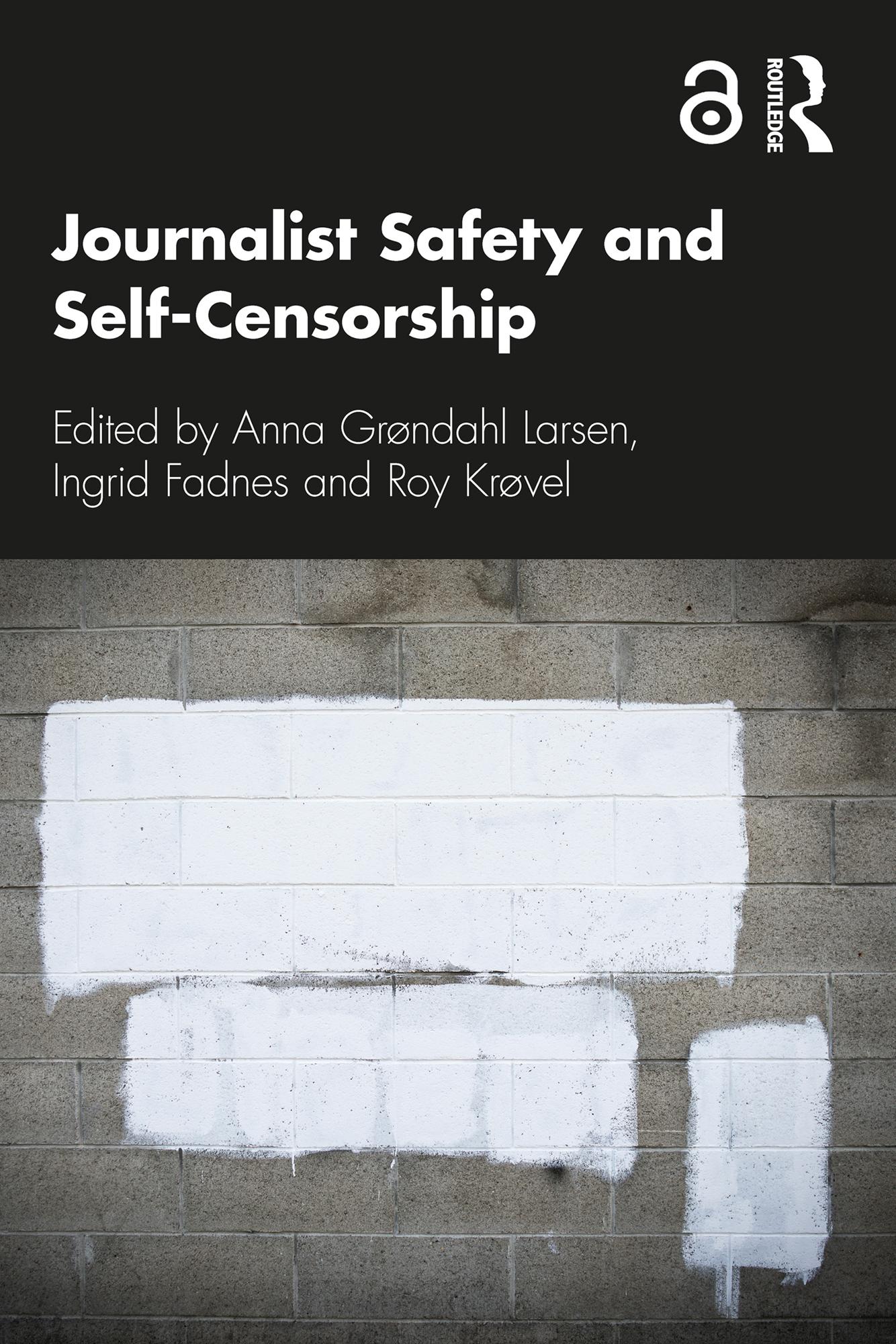
This book explores the relationship between the safety of journalists and self-censorship practices around the world, including local case studies and regional and international perspectives.
Bringing together scholars and practitioners from around the globe, Journalist Safety and Self-Censorship provides new and updated insights into patterns of self-censorship and free speech, focusing on a variety of factors that affect these issues, including surveillance, legislation, threats, violent conflict, gender-related stereotypes, digitisation and social media. The contributions examine topics such as trauma, risk and self-censorship among journalists in different regions of the world, including Central America, Estonia, Turkey, Uganda and Pakistan. The book also provides conceptual clarity to the notion of journalist self-censorship, and explores the question of how self-censorship may be studied empirically.
Combining both theoretical and practical knowledge, this collection serves as a much-needed resource for any academic, student of journalism, practicing journalist, or NGO working on issues of journalism, safety, free speech and censorship.
Betal nemt med kort, Klarna, Apple Pay eller Google Pay. Ikke tilfreds? Du har altid 14 dages fortrydelsesret. Læs mere i vores vilkår. Har du spørgsmål, så send os en mail på hello@memmo.org.
Memmo gør det nemmere at studere – uanset hvor du er i verden. Hos os samler du dine kursusbøger og smarte studieværktøjer ét sted: resuméer, quizzer, podcasts og flashcards. Og så er der Ted, din studieven, der svarer på alt, du undrer dig over. Over 50 000 studerende studerer allerede her – bygget til at hjælpe dig med at lære hurtigere og stresse mindre.