
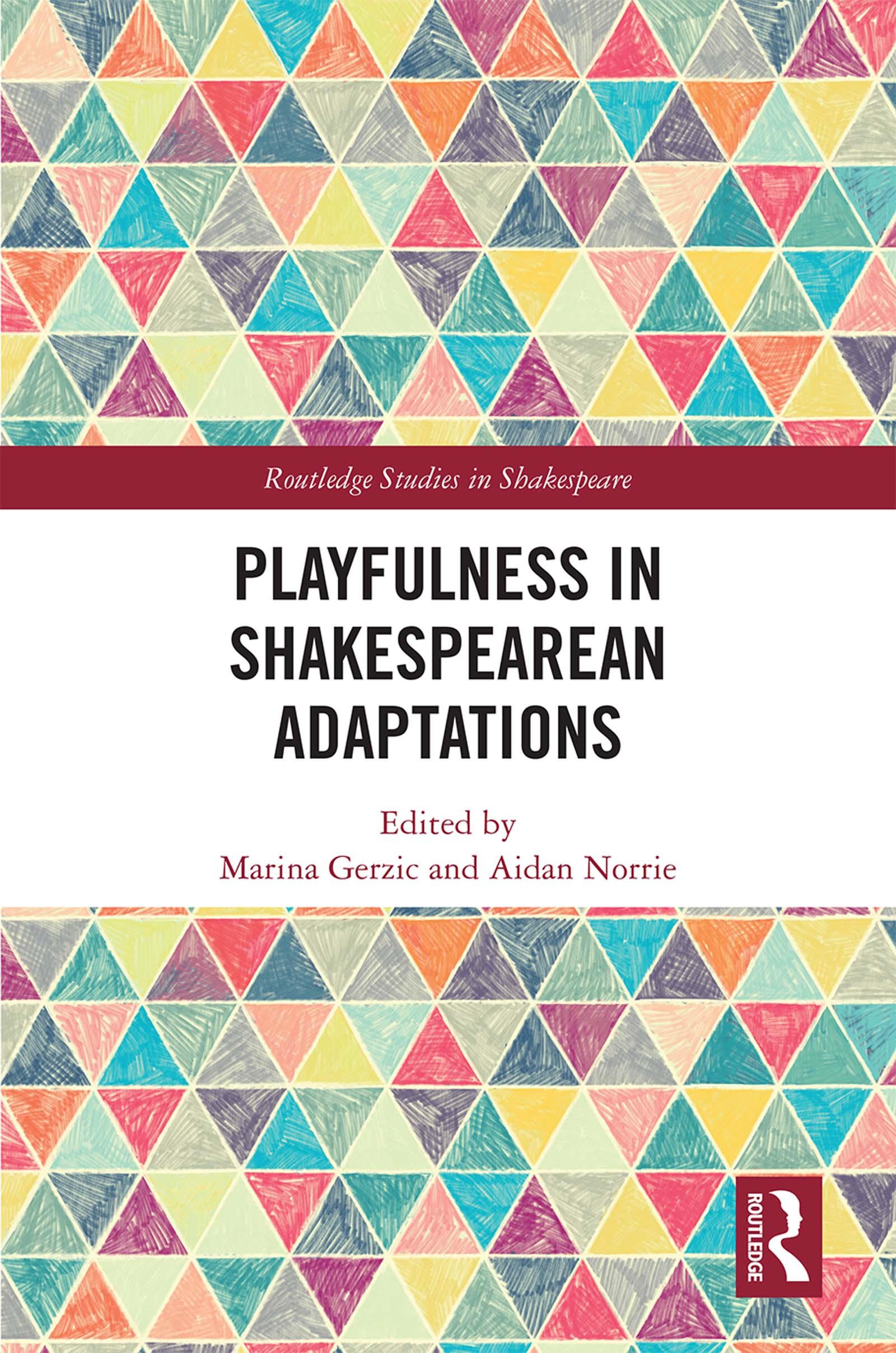
Four hundred years after William Shakespeare’s death, his works continue to not only fill playhouses around the world, but also be adapted in various forms for consumption in popular culture, including in film, television, comics and graphic novels, and digital media. Drawing on theories of play and adaptation, Playfulness in Shakespearean Adaptations demonstrates how the practices of Shakespearean adaptations are frequently products of playful, and sometimes irreverent, engagements that allow new ‘Shakespeares’ to emerge, revealing Shakespeare’s ongoing impact in popular culture. Significantly, this collection explores the role of play in the construction of meaning in Shakespearean adaptations—adaptations of both the works of Shakespeare, and of Shakespeare the man—and contributes to the growing scholarly interest in playfulness both past and present. The chapters in Playfulness in Shakespearean Adaptations engage with the diverse ways that play is used in Shakespearean adaptations on stage, screen, and page, examining how these adaptations draw out existing humour in Shakespeare’s works, the ways that play is used as a pedagogical aid to help explain complex language, themes, and emotions found in Shakespeare’s works, and more generally how play and playfulness can make Shakespeare ‘relatable,’ ‘relevant,’ and entertaining for successive generations of audiences and readers.
Betal nemt med kort, Klarna, Apple Pay eller Google Pay. Ikke tilfreds? Du har altid 14 dages fortrydelsesret. Læs mere i vores vilkår. Har du spørgsmål, så send os en mail på hello@memmo.org.
Memmo gør det nemmere at studere – uanset hvor du er i verden. Hos os samler du dine kursusbøger og smarte studieværktøjer ét sted: resuméer, quizzer, podcasts og flashcards. Og så er der Ted, din studieven, der svarer på alt, du undrer dig over. Over 50 000 studerende studerer allerede her – bygget til at hjælpe dig med at lære hurtigere og stresse mindre.