
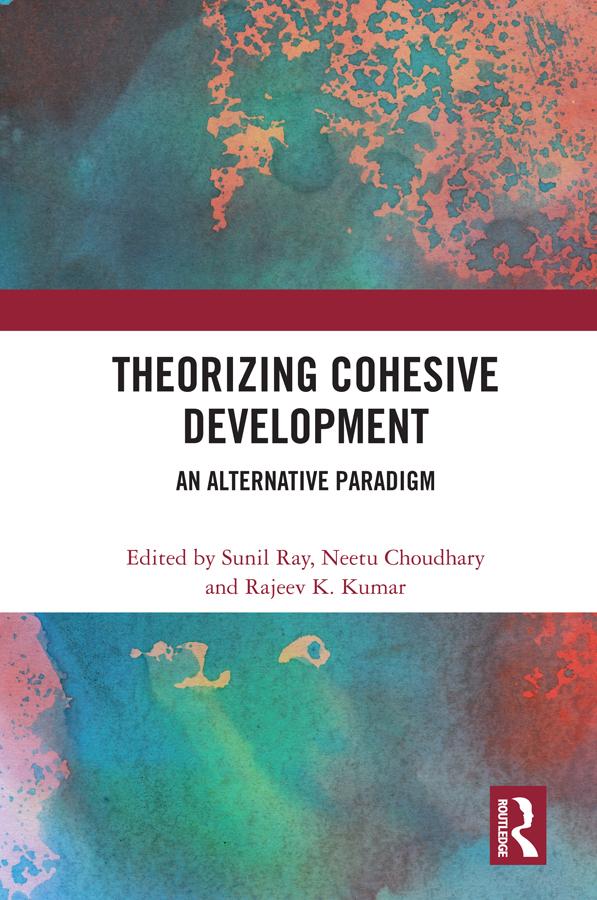
This volume proposes an alternative development paradigm to the existing capitalist extant one, and studies how it is distinctly different from the older system. Rooted in the principles of solidarity between humans, as well as between humans and nature, this alternative paradigm replaces the methodological individualism of capitalism by ‘reciprocal altruism’, a new logic of capital, to give pace and direction to the development process.
The essays in this volume highlight instances of various forms of solidarity that have emerged in the contemporary world—such as resistance movements of informal workers, the formation of an autonomous cooperative of self-employed waste pickers in India, called SWaCH, and Brazil and Cuba’s experiments with Social and Solidarity Economy (SSE)—to achieve long sustaining cohesive development. They also provide recommendations as to how the State can mold its development process to the benefit of marginalized communities, especially in India and Bangladesh.
Featuring insights from leading experts in the field, Theorizing Cohesive Development will be an indispensable read for students and researchers of development studies, economics, political economy, political science and sociology, minority studies and Asian studies.
Betal nemt med kort, Klarna, Apple Pay eller Google Pay. Ikke tilfreds? Du har altid 14 dages fortrydelsesret. Læs mere i vores vilkår. Har du spørgsmål, så send os en mail på hello@memmo.org.
Memmo gør det nemmere at studere – uanset hvor du er i verden. Hos os samler du dine kursusbøger og smarte studieværktøjer ét sted: resuméer, quizzer, podcasts og flashcards. Og så er der Ted, din studieven, der svarer på alt, du undrer dig over. Over 50 000 studerende studerer allerede her – bygget til at hjælpe dig med at lære hurtigere og stresse mindre.