
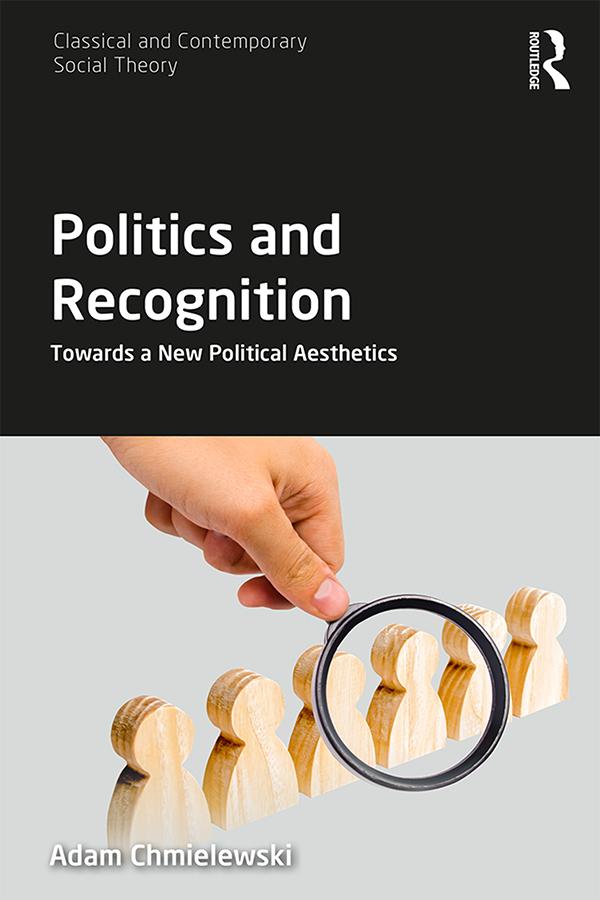
This book outlines a new conception of political aesthetics based on the notion of order as an aesthetic category pertaining to human perception. Engaging with the thought of a range of figures, including Veblen, Honneth, Foucault, Popper, and MacIntyre, it explores the nature of political aesthetics as an enquiry into the ways in which politics and our perceptions shape one another and our moral choices. Moving beyond the consideration of politics as a matter of perception, the author employs the concept of recognition to shed fresh light on the normative dimensions of politics, before presenting a series of case studies designed to show the utility of this conception of political aesthetics for explaining contemporary urban social phenomena and political conflicts. As such, Politics and Recognition will appeal to sociologists, philosophers, and political social theorists.
Betal nemt med kort, Klarna, Apple Pay eller Google Pay. Ikke tilfreds? Du har altid 14 dages fortrydelsesret. Læs mere i vores vilkår. Har du spørgsmål, så send os en mail på hello@memmo.org.
Memmo gør det nemmere at studere – uanset hvor du er i verden. Hos os samler du dine kursusbøger og smarte studieværktøjer ét sted: resuméer, quizzer, podcasts og flashcards. Og så er der Ted, din studieven, der svarer på alt, du undrer dig over. Over 50 000 studerende studerer allerede her – bygget til at hjælpe dig med at lære hurtigere og stresse mindre.