
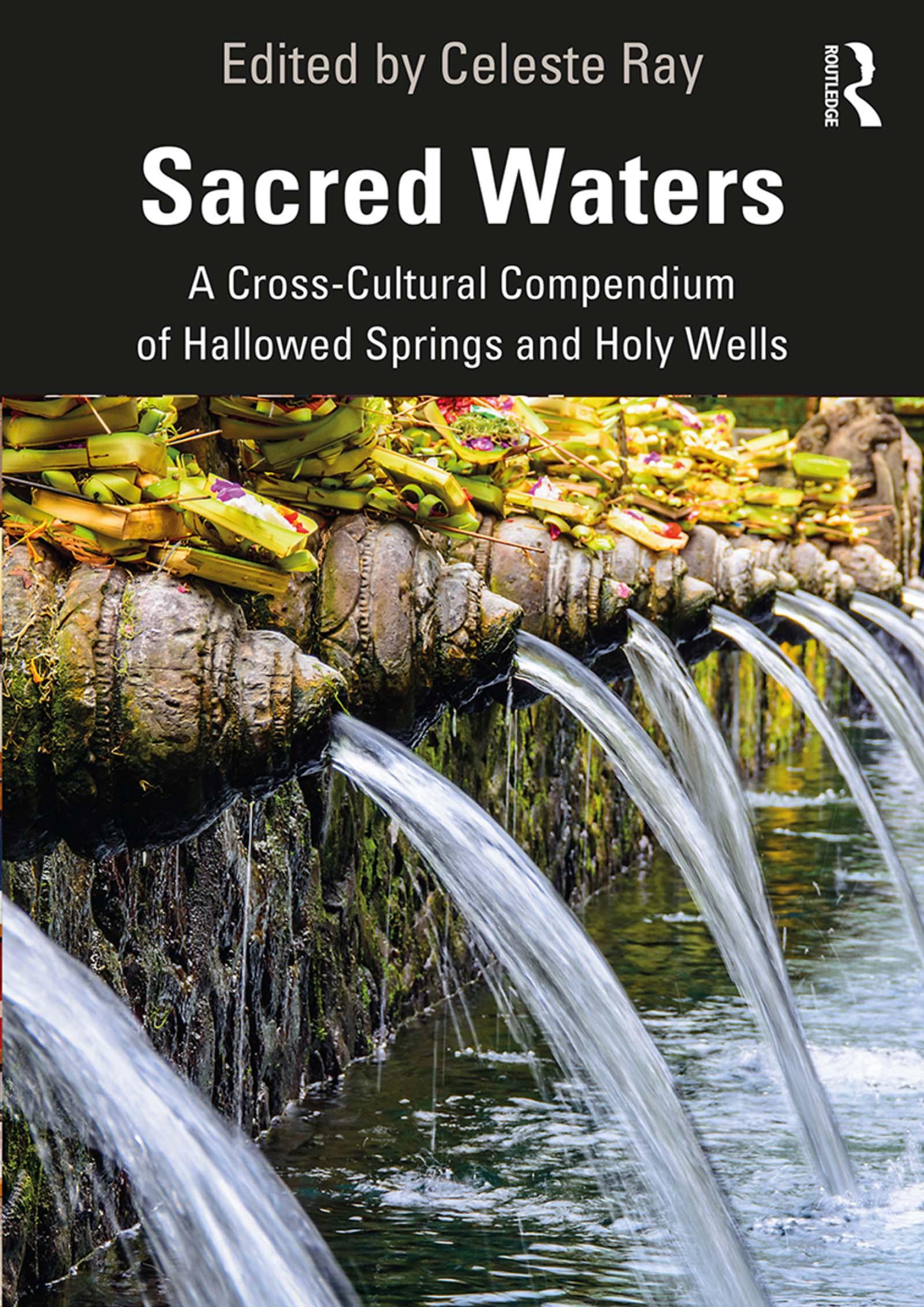
Describing sacred waters and their associated traditions in over thirty countries and across multiple time periods, this book identifies patterns in panhuman hydrolatry. Supplying life’s most basic daily need, freshwater sources were likely the earliest sacred sites, and the first protected and contested resource. Guarded by taboos, rites and supermundane forces, freshwater sources have also been considered thresholds to otherworlds. Often associated also with venerated stones, trees and healing flora, sacred water sources are sites of biocultural diversity. Addressing themes that will shape future water research, this volume examines cultural perceptions of water’s sacrality that can be employed to foster resilient human–environmental relationships in the growing water crises of the twenty-first century. The work combines perspectives from anthropology, archaeology, classics, folklore, geography, geology, history, literature and religious studies.
Betal nemt med kort, Klarna, Apple Pay eller Google Pay. Ikke tilfreds? Du har altid 14 dages fortrydelsesret. Læs mere i vores vilkår. Har du spørgsmål, så send os en mail på hello@memmo.org.
Memmo gør det nemmere at studere – uanset hvor du er i verden. Hos os samler du dine kursusbøger og smarte studieværktøjer ét sted: resuméer, quizzer, podcasts og flashcards. Og så er der Ted, din studieven, der svarer på alt, du undrer dig over. Over 50 000 studerende studerer allerede her – bygget til at hjælpe dig med at lære hurtigere og stresse mindre.