
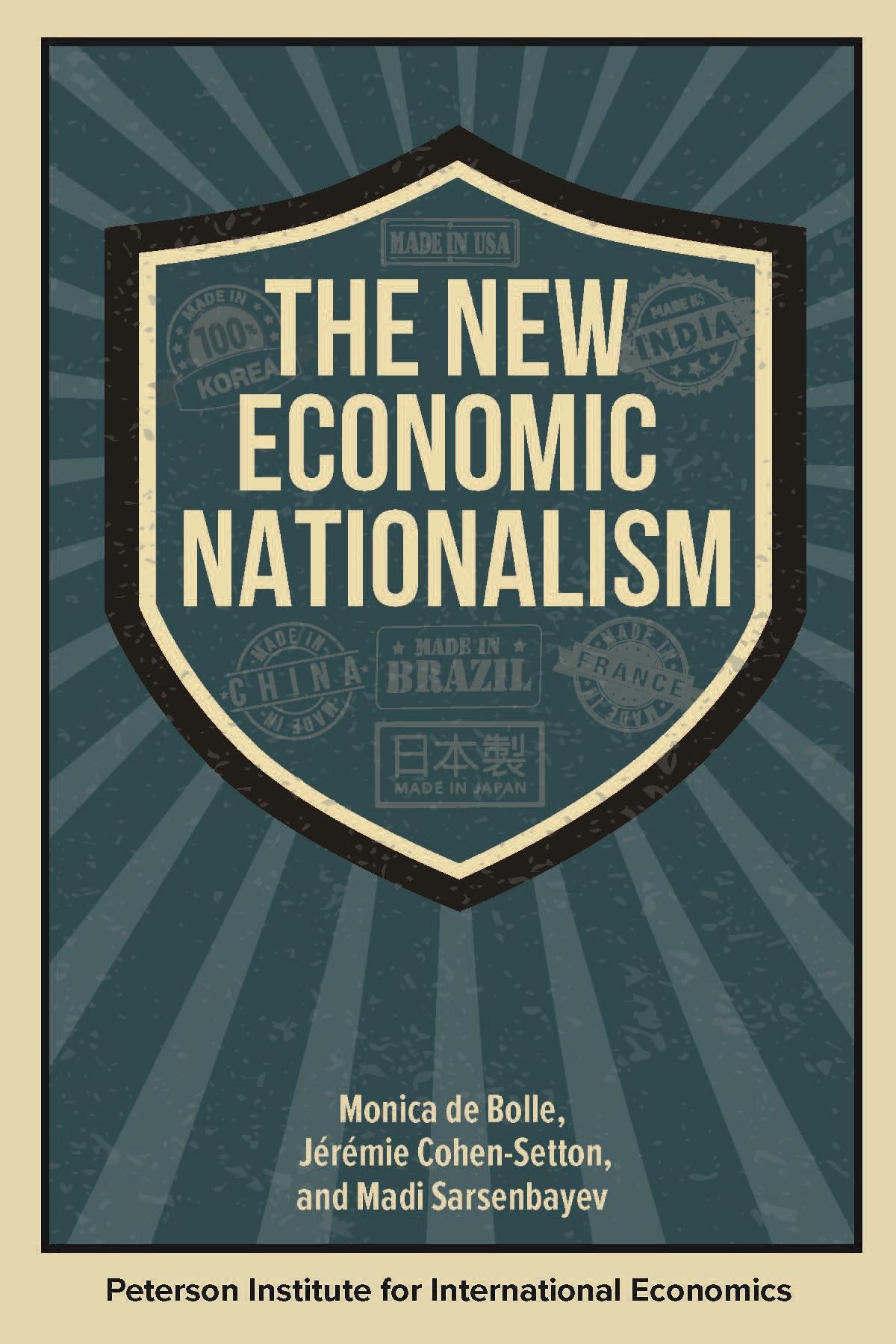
Empires, city states, and nations have long pursued aggressive trade, tax, and investment policies to amass wealth. A new consensus emerged after the Great Depression and World War II supporting liberalized international trade, economic cooperation, and free markets. Today that consensus has shattered, replaced by a “new economic nationalism” of industrial policy, tariffs, and various methods of state support for the economy. Can this new approach deliver stability, national security, and prosperity? This book examines case studies revealing a decidedly mixed record. In some instances, economic nationalist policies have fostered growth and declining unemployment, though accompanied by fiscal costs and inefficiency. In much of the developing world, however, economic nationalist policies have produced corruption, debt burdens, inflation, and ultimately stagnation. By examining the past, The New Economic Nationalism provides a roadmap to an uncertain future.
Betal nemt med kort, Klarna, Apple Pay eller Google Pay. Ikke tilfreds? Du har altid 14 dages fortrydelsesret. Læs mere i vores vilkår. Har du spørgsmål, så send os en mail på hello@memmo.org.
Memmo gør det nemmere at studere – uanset hvor du er i verden. Hos os samler du dine kursusbøger og smarte studieværktøjer ét sted: resuméer, quizzer, podcasts og flashcards. Og så er der Ted, din studieven, der svarer på alt, du undrer dig over. Over 50 000 studerende studerer allerede her – bygget til at hjælpe dig med at lære hurtigere og stresse mindre.
Du kan måske også lide
Køb bogen0