
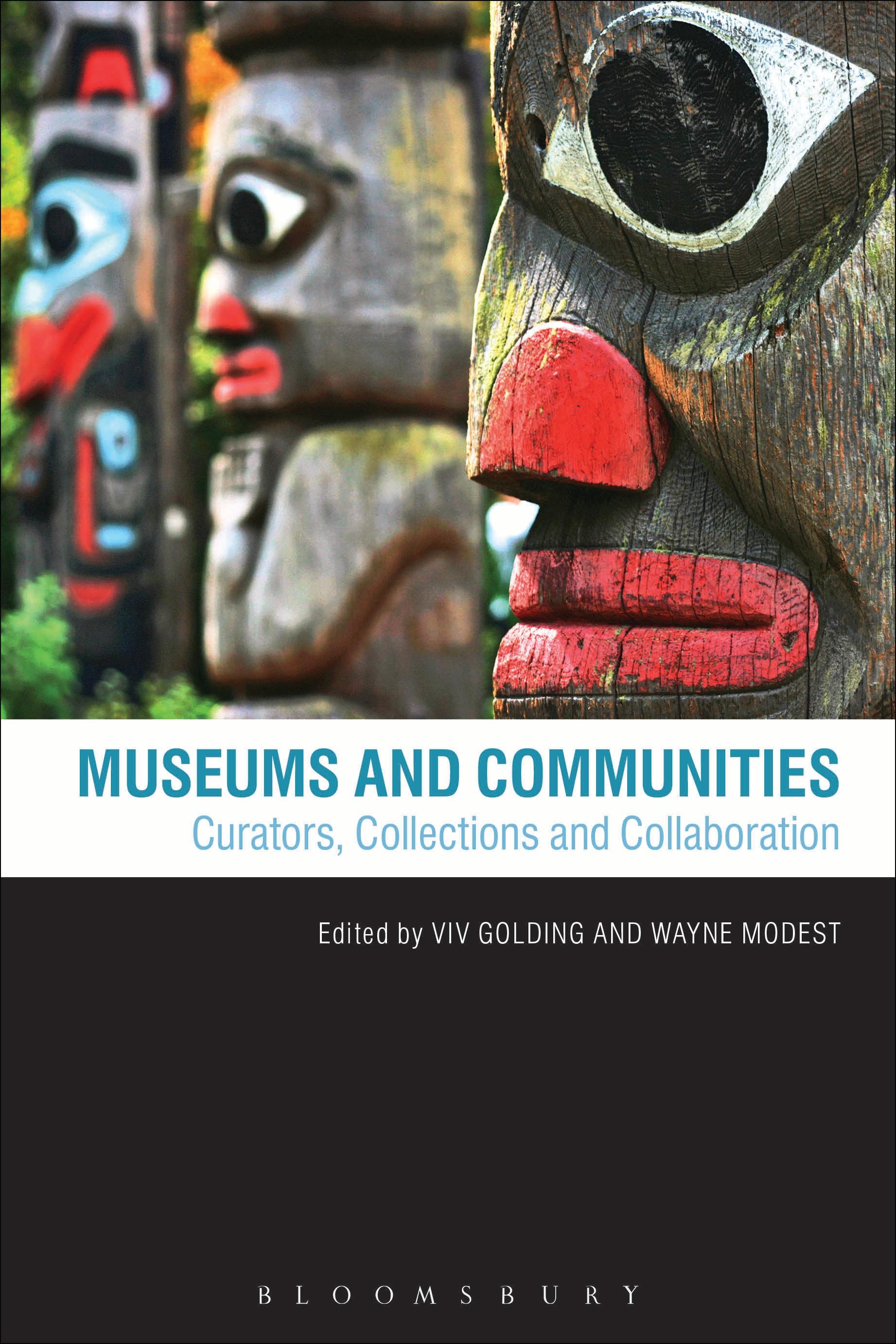
This edited volume critically engages with contemporary scholarship on museums and their engagement with the communities they purport to serve and represent. Foregrounding new curatorial strategies, it addresses a significant gap in the available literature, exploring some of the complex issues arising from recent approaches to collaboration between museums and their communities.
The book unpacks taken-for-granted notions such as scholarship, community, participation and collaboration, which can gloss over the complexity of identities and lead to tokenistic claims of inclusion by museums. Over sixteen chapters, well-respected authors from the US, Australia and Europe offer a timely critique to address what happens when museums put community-minded principles into practice, challenging readers to move beyond shallow notions of political correctness that ignore vital difference in this contested field.
Contributors address a wide range of key issues, asking pertinent questions such as how museums negotiate the complexities of integrating collaboration when the target community is a living, fluid, changeable mass of people with their own agendas and agency. When is engagement real as opposed to symbolic, who benefits from and who drives initiatives? What particular challenges and benefits do artist collaborations bring? Recognising the multiple perspectives of community participants is one thing, but how can museums incorporate this successfully into exhibition practice?
Students of museum and cultural studies, practitioners and everyone who cares about museums around the world will find this volume essential reading.
The book unpacks taken-for-granted notions such as scholarship, community, participation and collaboration, which can gloss over the complexity of identities and lead to tokenistic claims of inclusion by museums. Over sixteen chapters, well-respected authors from the US, Australia and Europe offer a timely critique to address what happens when museums put community-minded principles into practice, challenging readers to move beyond shallow notions of political correctness that ignore vital difference in this contested field.
Contributors address a wide range of key issues, asking pertinent questions such as how museums negotiate the complexities of integrating collaboration when the target community is a living, fluid, changeable mass of people with their own agendas and agency. When is engagement real as opposed to symbolic, who benefits from and who drives initiatives? What particular challenges and benefits do artist collaborations bring? Recognising the multiple perspectives of community participants is one thing, but how can museums incorporate this successfully into exhibition practice?
Students of museum and cultural studies, practitioners and everyone who cares about museums around the world will find this volume essential reading.
Betal nemt med kort, Klarna, Apple Pay eller Google Pay. Ikke tilfreds? Du har altid 14 dages fortrydelsesret. Læs mere i vores vilkår. Har du spørgsmål, så send os en mail på hello@memmo.org.
Memmo gør det nemmere at studere – uanset hvor du er i verden. Hos os samler du dine kursusbøger og smarte studieværktøjer ét sted: resuméer, quizzer, podcasts og flashcards. Og så er der Ted, din studieven, der svarer på alt, du undrer dig over. Over 50 000 studerende studerer allerede her – bygget til at hjælpe dig med at lære hurtigere og stresse mindre.