
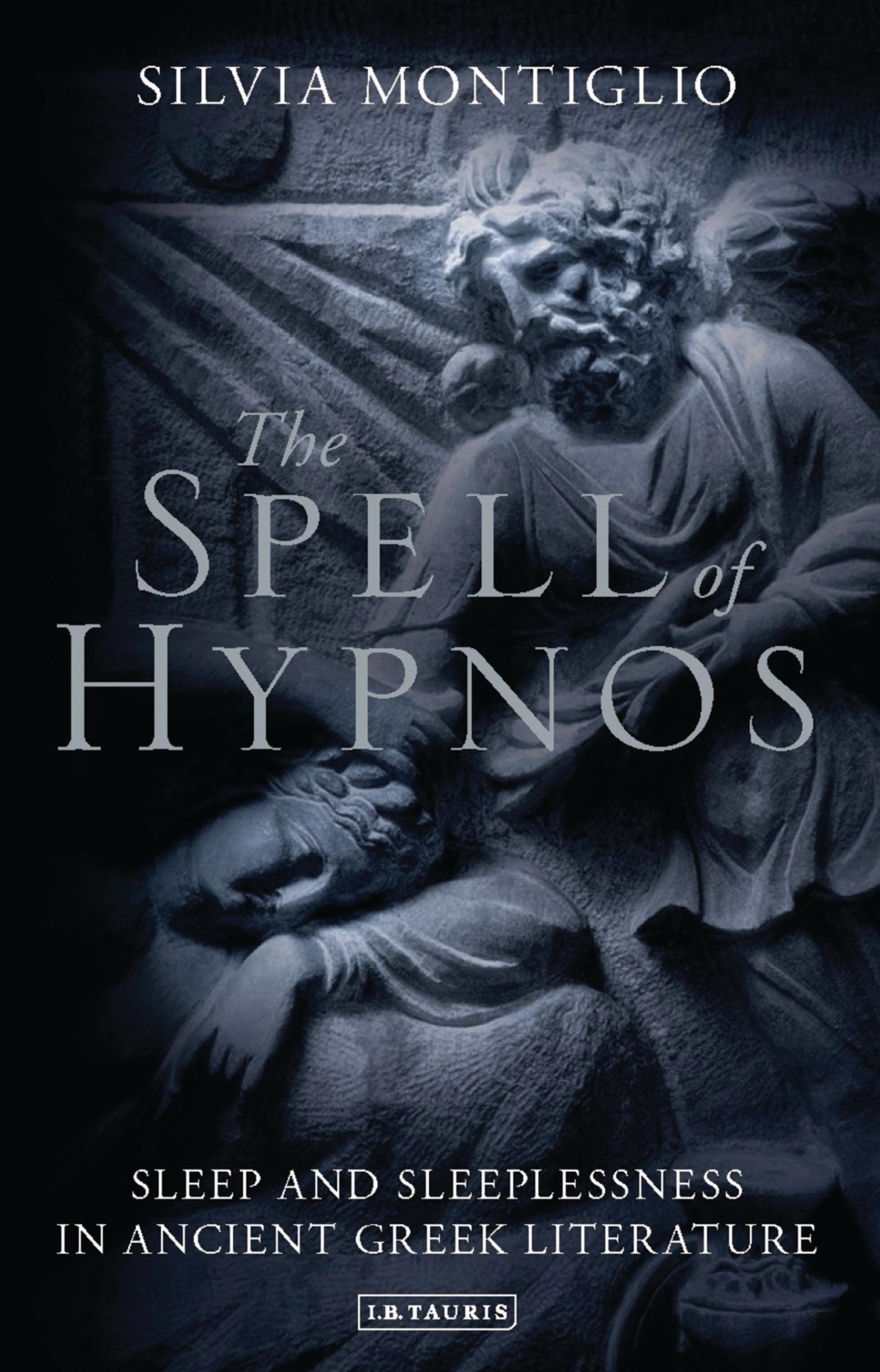
Sleep was viewed as a boon by the ancient Greeks: sweet, soft, honeyed, balmy, care-loosening, as the Iliad has it. But neither was sleep straightforward, nor safe. It could be interrupted, often by a dream. It could be the site of dramatic intervention by a god or goddess. It might mark the transition in a narrative relationship, as when Penelope for the first time in weeks slumbers happily through Odysseus' vengeful slaughter of her suitors. Silvia Montiglio's imaginative and comprehensive study of the topic illuminates the various ways in which writers in antiquity used sleep to deal with major aspects of plot and character development. The author shows that sleeplessness, too, carries great weight in classical literature. Doom hangs by a thread as Agamemnon - in Iphigenia in Aulis - paces, restless and sleepless, while around him everyone else dozes on. Exploring recurring tropes of somnolence and wakefulness in the Iliad, the Odyssey, Athenian drama, the Argonautica and ancient novels by Xenophon, Chariton, Heliodorus and Achilles Tatius, this is a unique contribution to better understandings of ancient Greek writing.
Betal nemt med kort, Klarna, Apple Pay eller Google Pay. Ikke tilfreds? Du har altid 14 dages fortrydelsesret. Læs mere i vores vilkår. Har du spørgsmål, så send os en mail på hello@memmo.org.
Memmo gør det nemmere at studere – uanset hvor du er i verden. Hos os samler du dine kursusbøger og smarte studieværktøjer ét sted: resuméer, quizzer, podcasts og flashcards. Og så er der Ted, din studieven, der svarer på alt, du undrer dig over. Over 50 000 studerende studerer allerede her – bygget til at hjælpe dig med at lære hurtigere og stresse mindre.