
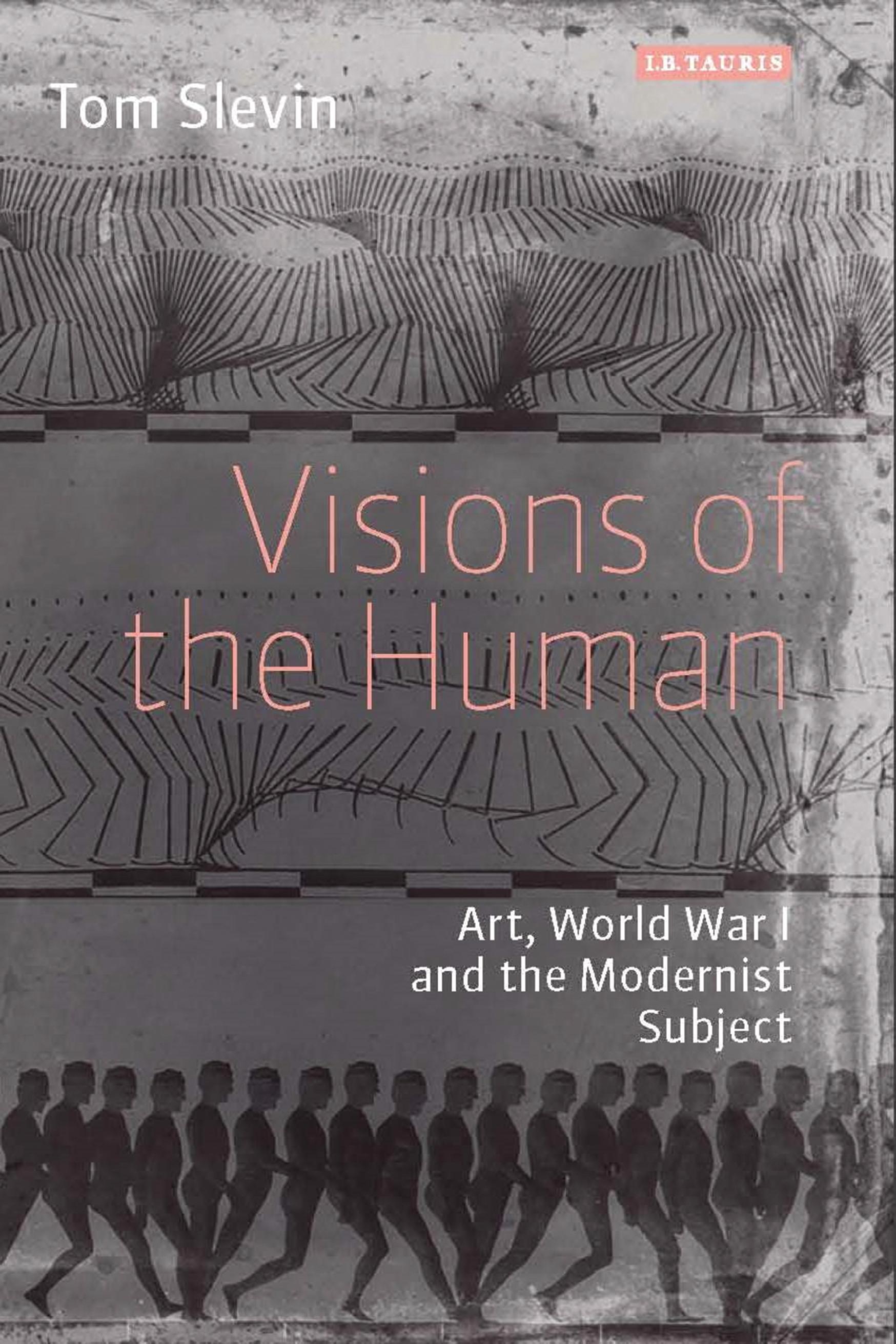
In what ways do the artistic avant-garde's representations of the human body reflect the catastrophe of World War I? The European modernists were inspired by developments in the nineteenth-century, yielding new forms of knowledge about the nature of reality and repositioning the human body as the new 'object' of knowledge. New 'visions' of the human subject were created within this transformation. However, modernity's reactionary political climate - for which World War I provided a catalyst - transformed a once liberal ideal between humanity, environment, and technology, into a tool of disciplinary rationalisation. Visions of the Human considers the consequences of this historical moment for the twentieth and twenty-first centuries. It explores the ways in which the 'technologies of the self' that inspired the avant-garde were increasingly instrumentalised by conservative politics, urbanism, consumer capitalism and the society of 'the spectacle'. This is an engaging and powerful study which challenges prior ideas and explores new ways of thinking about modern visual culture.
Betal nemt med kort, Klarna, Apple Pay eller Google Pay. Ikke tilfreds? Du har altid 14 dages fortrydelsesret. Læs mere i vores vilkår. Har du spørgsmål, så send os en mail på hello@memmo.org.
Memmo gør det nemmere at studere – uanset hvor du er i verden. Hos os samler du dine kursusbøger og smarte studieværktøjer ét sted: resuméer, quizzer, podcasts og flashcards. Og så er der Ted, din studieven, der svarer på alt, du undrer dig over. Over 50 000 studerende studerer allerede her – bygget til at hjælpe dig med at lære hurtigere og stresse mindre.