
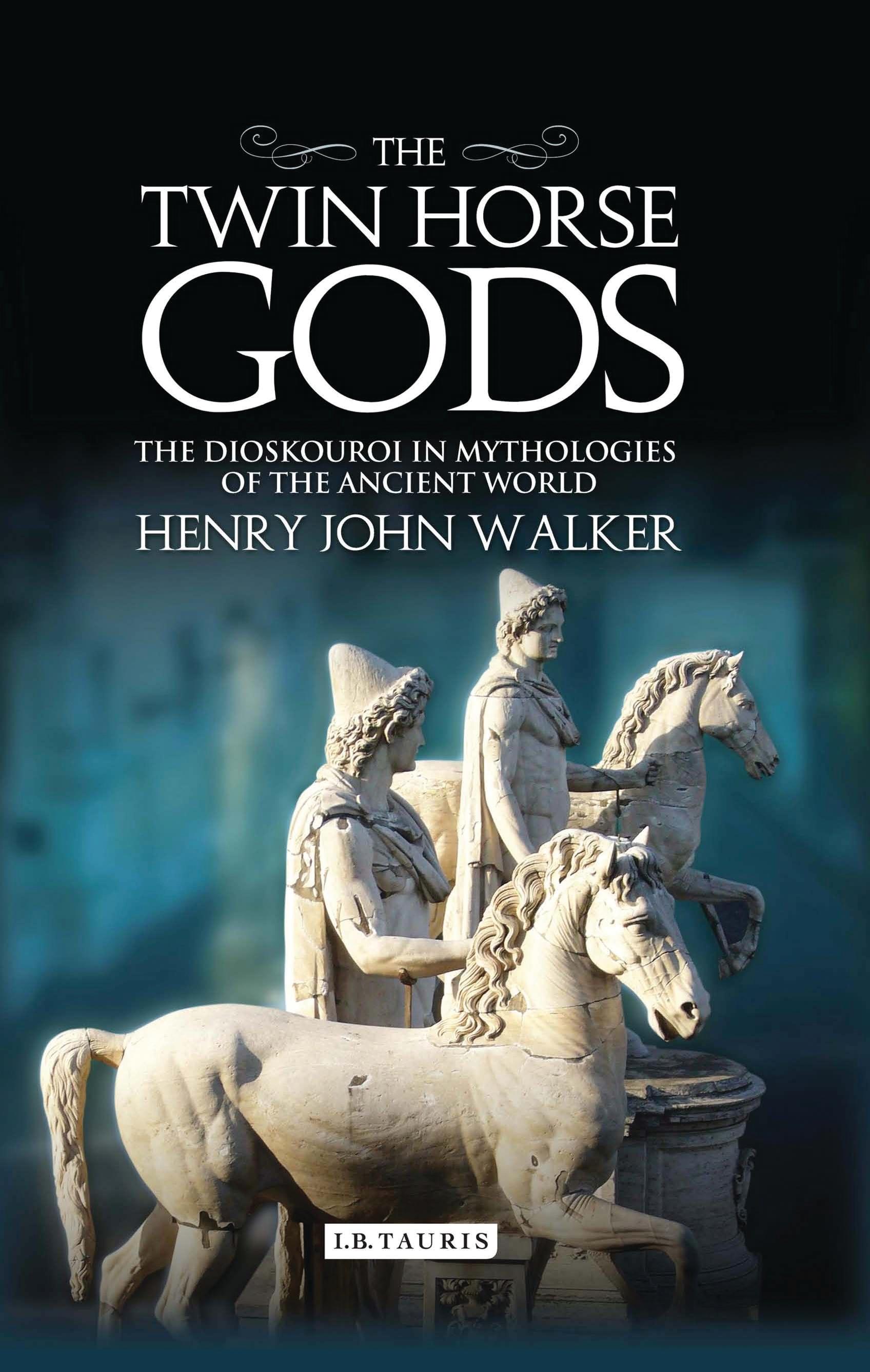
The twin deities known by the ancient Greeks as the Dioskouroi, and by the Romans as the Gemini, were popular figures in the classical world. They were especially connected with youth, low status and service, and were embraced by the common people in a way that eluded those gods associated with regal magnificence or the ruling classes. Despite their popularity, no dedicated study has been published on the horse gods for over a hundred years. Henry John Walker here addresses this neglect. His comparative study traces the origins, meanings and applications of the twin divinities to social and ritual settings in Greece, Vedic India (where the brothers named Castor and Pollux were revered as Indo-European gods called the Asvins), Etruria and classical Rome.
In the Bronze and Early Iron Ages of Vedic India, the young horse gods are seen to have markedly similar characteristics to their Greco-Roman counterparts. Quick to come to the rescue of those in trouble, the Asvins are ready to assist the old, the weak and the humble. Charting the parallels and correspondences between these ancient myths, Walker uncovers not a single, universal coda but rather a great variety of loosely related beliefs and practices relating to the sibling deities. He demonstrates, for example, that, just as the Dioskouroi were regarded as being halfway between gods and men, so young Spartans – undergoing a fierce and uncompromising military training – saw themselves as standing midway between animal and human. Such diverse and creative interpretations of the myth seem to have played a central role in the culture and society of antiquity.
In the Bronze and Early Iron Ages of Vedic India, the young horse gods are seen to have markedly similar characteristics to their Greco-Roman counterparts. Quick to come to the rescue of those in trouble, the Asvins are ready to assist the old, the weak and the humble. Charting the parallels and correspondences between these ancient myths, Walker uncovers not a single, universal coda but rather a great variety of loosely related beliefs and practices relating to the sibling deities. He demonstrates, for example, that, just as the Dioskouroi were regarded as being halfway between gods and men, so young Spartans – undergoing a fierce and uncompromising military training – saw themselves as standing midway between animal and human. Such diverse and creative interpretations of the myth seem to have played a central role in the culture and society of antiquity.
Betal nemt med kort, Klarna, Apple Pay eller Google Pay. Ikke tilfreds? Du har altid 14 dages fortrydelsesret. Læs mere i vores vilkår. Har du spørgsmål, så send os en mail på hello@memmo.org.
Memmo gør det nemmere at studere – uanset hvor du er i verden. Hos os samler du dine kursusbøger og smarte studieværktøjer ét sted: resuméer, quizzer, podcasts og flashcards. Og så er der Ted, din studieven, der svarer på alt, du undrer dig over. Over 50 000 studerende studerer allerede her – bygget til at hjælpe dig med at lære hurtigere og stresse mindre.