
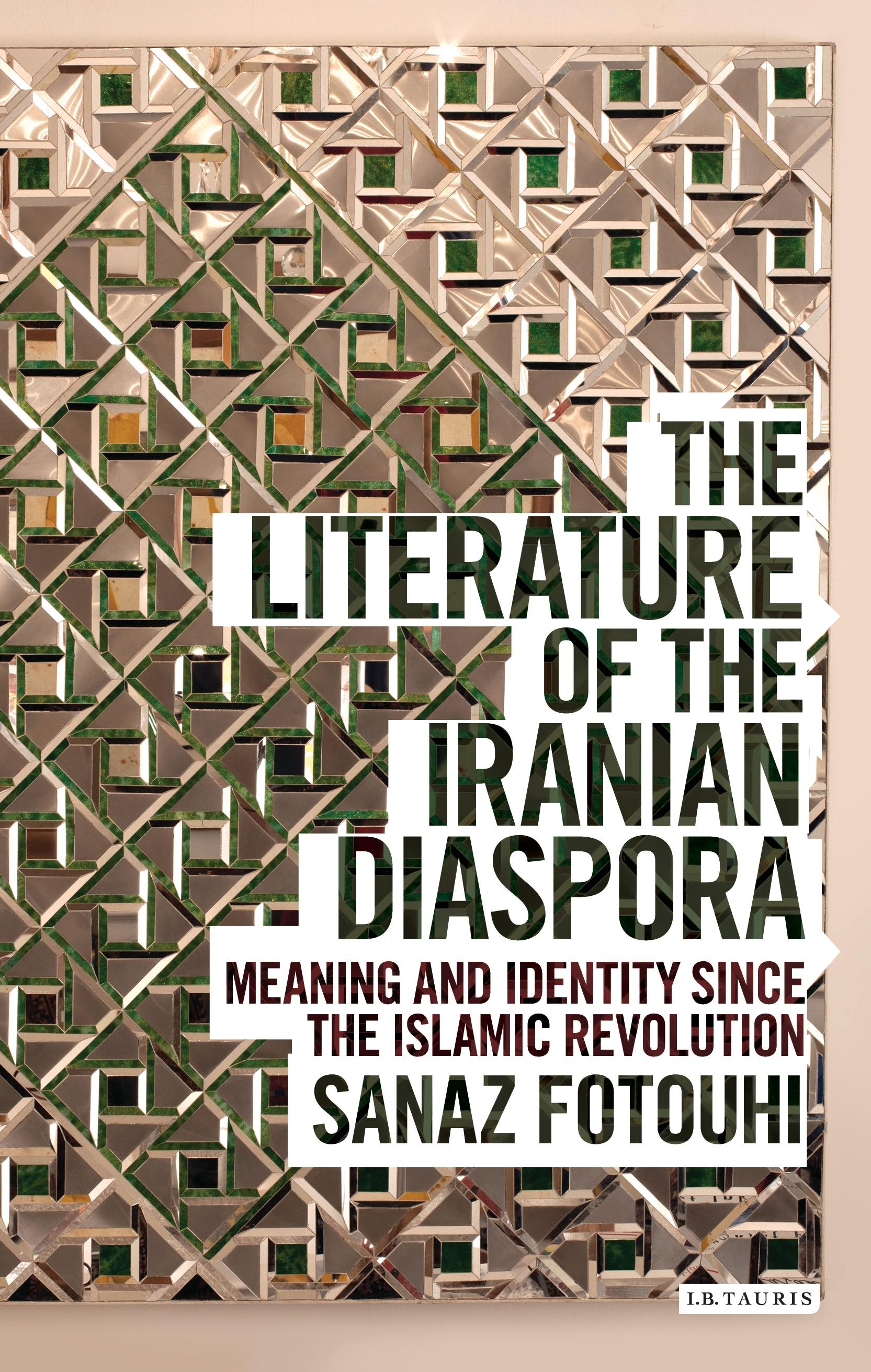
The 1979 Revolution in Iran caused the migration of millions of Iranians, many of whom wrote, and are still writing, of their experiences. Formed at the junctions of Iranian culture, English language and Western cultures, this body of work has not only formed a unique literary space, offering an insightful reflection of Iranian diasporic experiences and its shifting nature, but it has also been making a unique and understudied contribution to World Literatures in English as significant as Indian, African and Asian writing in English. Sanaz Fotouhi here traces the origins of the emerging body of diasporic Iranian literature in English, and uses these origins to examine the socio-political position and historical context from which they have emerged.
Fotouhi brings together, introduces and analyses, for the first time, a significant range of diasporic Iranian writers alongside each other and alongside other diasporic literatures in English. While situating this body of work through existing theories such as postcolonialism, Fotouhi sheds new light on the role of Iranian literature and culture in Western literature by showing that these writings distinctively reflect experiences unique to the Iranian diaspora. Analysing the relationship between Iranians and their new surroundings, by drawing on theories of migration, narration and identity, Fotouhi examines how the literature borne out of the Iranian diaspora reconstructs, maintains and negotiates their Individual and communal identities and reflects today's socio-political realities. This book will be vital for researchers of Middle Eastern literature and its relationship with writings from the West, as well as those interested in the cultural history of the Middle East.
Fotouhi brings together, introduces and analyses, for the first time, a significant range of diasporic Iranian writers alongside each other and alongside other diasporic literatures in English. While situating this body of work through existing theories such as postcolonialism, Fotouhi sheds new light on the role of Iranian literature and culture in Western literature by showing that these writings distinctively reflect experiences unique to the Iranian diaspora. Analysing the relationship between Iranians and their new surroundings, by drawing on theories of migration, narration and identity, Fotouhi examines how the literature borne out of the Iranian diaspora reconstructs, maintains and negotiates their Individual and communal identities and reflects today's socio-political realities. This book will be vital for researchers of Middle Eastern literature and its relationship with writings from the West, as well as those interested in the cultural history of the Middle East.
Sider: 280
Kategori: Film- & Medievetenskap
e-ISBN: 9780857737663
Forsendelsesvægt: 1.2 kg
Sendes inden for: 1-2 dage
Betal nemt med kort, Klarna, Apple Pay eller Google Pay. Ikke tilfreds? Du har altid 14 dages fortrydelsesret. Læs mere i vores vilkår. Har du spørgsmål, så send os en mail på hello@memmo.org.
Memmo gør det nemmere at studere – uanset hvor du er i verden. Hos os samler du dine kursusbøger og smarte studieværktøjer ét sted: resuméer, quizzer, podcasts og flashcards. Og så er der Ted, din studieven, der svarer på alt, du undrer dig over. Over 50 000 studerende studerer allerede her – bygget til at hjælpe dig med at lære hurtigere og stresse mindre.