
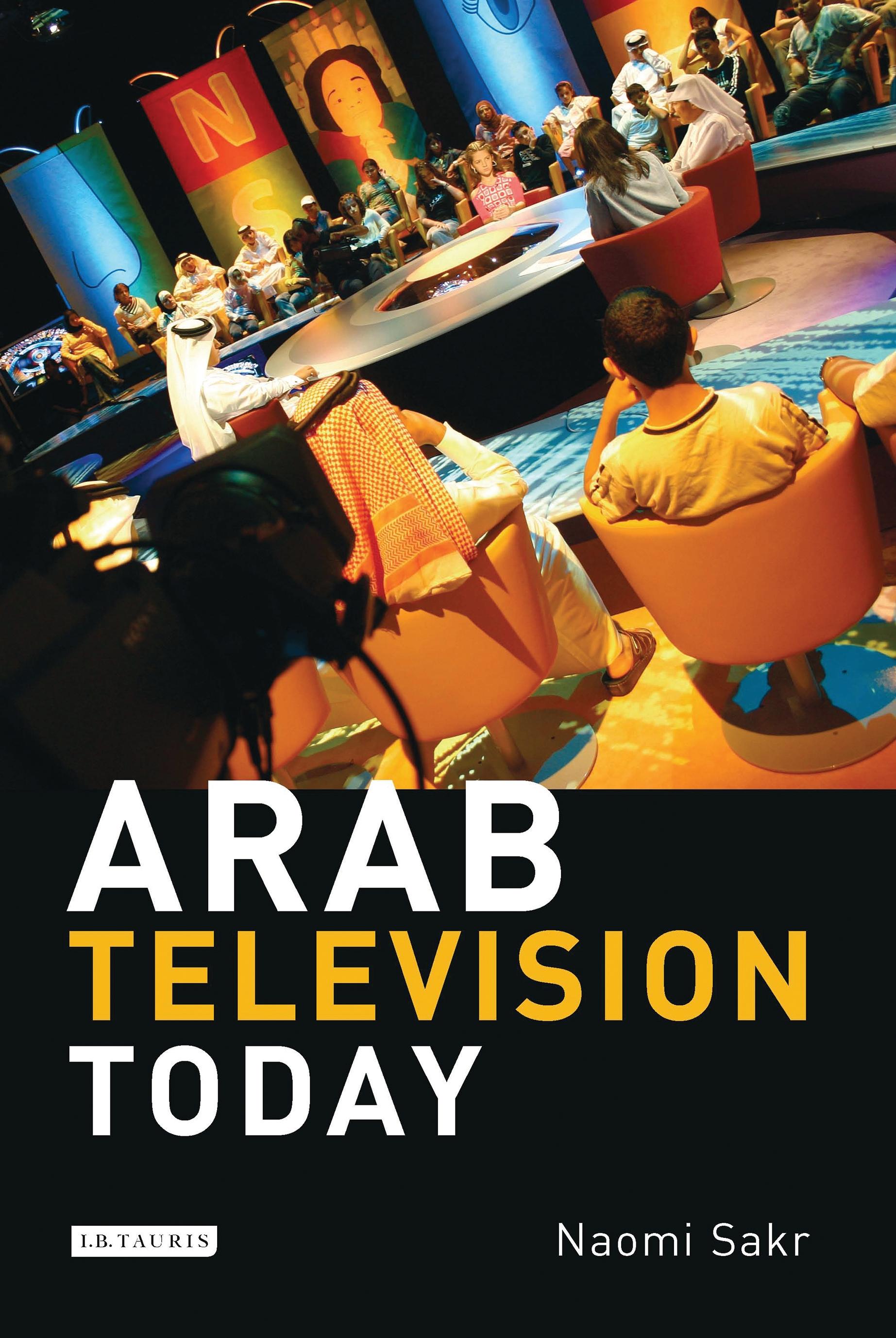
There is a great deal at stake for everyone in the future of Arab television. Political and social upheavals in this central but unsettled region are increasingly played out on television screens and in the tussles over programming that take place behind them. Al-Jazeera is of course only one player among a still-growing throng of satellite channels, which now include private terrestrial stations in some Arab states. It is an industry urgently needing to be made sense of; this book does exactly this in a very readable and authoritative way, through exploring and explaining the evolving structures and content choices in both entertainment and news of contemporary Arab television. It shows how owners, investors, journalists, presenters, production companies, advertisers, regulators and media freedom advocates influence each other in a geolinguistic marketplace that encompasses the Arab region itself and communities abroad.
Probing internal and external interventions in the Arab television landscape, the book offers a timely and compelling sequel to Naomi Sakr's "Satellite Realms: Transnational Television, Globalization and the Middle East", which won the Middle Eastern Studies Book Prize in 2003.
Probing internal and external interventions in the Arab television landscape, the book offers a timely and compelling sequel to Naomi Sakr's "Satellite Realms: Transnational Television, Globalization and the Middle East", which won the Middle Eastern Studies Book Prize in 2003.
Betal nemt med kort, Klarna, Apple Pay eller Google Pay. Ikke tilfreds? Du har altid 14 dages fortrydelsesret. Læs mere i vores vilkår. Har du spørgsmål, så send os en mail på hello@memmo.org.
Memmo gør det nemmere at studere – uanset hvor du er i verden. Hos os samler du dine kursusbøger og smarte studieværktøjer ét sted: resuméer, quizzer, podcasts og flashcards. Og så er der Ted, din studieven, der svarer på alt, du undrer dig over. Over 50 000 studerende studerer allerede her – bygget til at hjælpe dig med at lære hurtigere og stresse mindre.