
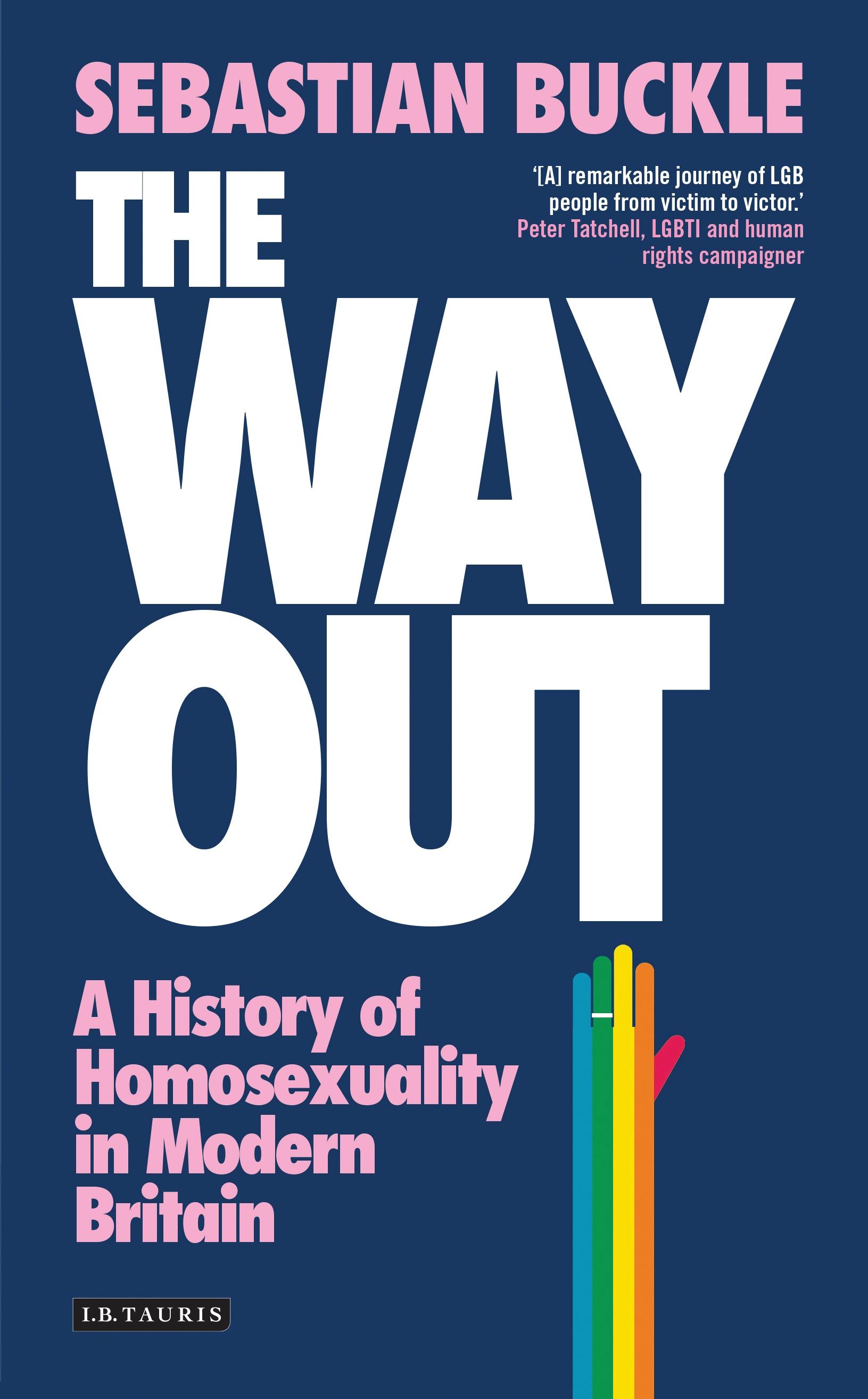
In 1957, there were over a thousand men in prison for 'homosexual offences'. A little over half a century later, homosexuality is an active part of the mainstream. Homosexuality has a public profile - on TV, in film and in literature and popular culture. When did today's fairly open discourse on homosexuality begin? Sebastian Buckle argues that homosexuality as a public identity began after the Second World War, on the release of the Wolfenden Report which recommended gay sex be decriminalised, and tells the story of homosexuality in the public eye. Buckle takes us through early images of homosexuality in the 1950s, the founding of the Gay Liberation Front, Section 28 and community radicalism under Margaret Thatcher's government, the AIDs crisis of the 1980s, the expanding musical and cultural influence of gay subcultures and the resulting partial acceptance into the mainstream of queer identities. The result is a complex and nuanced history of gay movements, society and the media, and a fresh look at how the struggle for acceptance and equality has been fought.
Betal nemt med kort, Klarna, Apple Pay eller Google Pay. Ikke tilfreds? Du har altid 14 dages fortrydelsesret. Læs mere i vores vilkår. Har du spørgsmål, så send os en mail på hello@memmo.org.
Memmo gør det nemmere at studere – uanset hvor du er i verden. Hos os samler du dine kursusbøger og smarte studieværktøjer ét sted: resuméer, quizzer, podcasts og flashcards. Og så er der Ted, din studieven, der svarer på alt, du undrer dig over. Over 50 000 studerende studerer allerede her – bygget til at hjælpe dig med at lære hurtigere og stresse mindre.